What happened
Microsoft published an AI code of conduct for its models, setting "absolute constraints" that forbid cyberattacks, nuclear weapons, and deepfake production and override user preferences or specific tasks.
Why it matters
The code is lower-level than Anthropic CEO Dario Amodei's recent call for pacing the frontier, focusing instead on the values and red lines guiding model training inside Microsoft AI.
What to watch
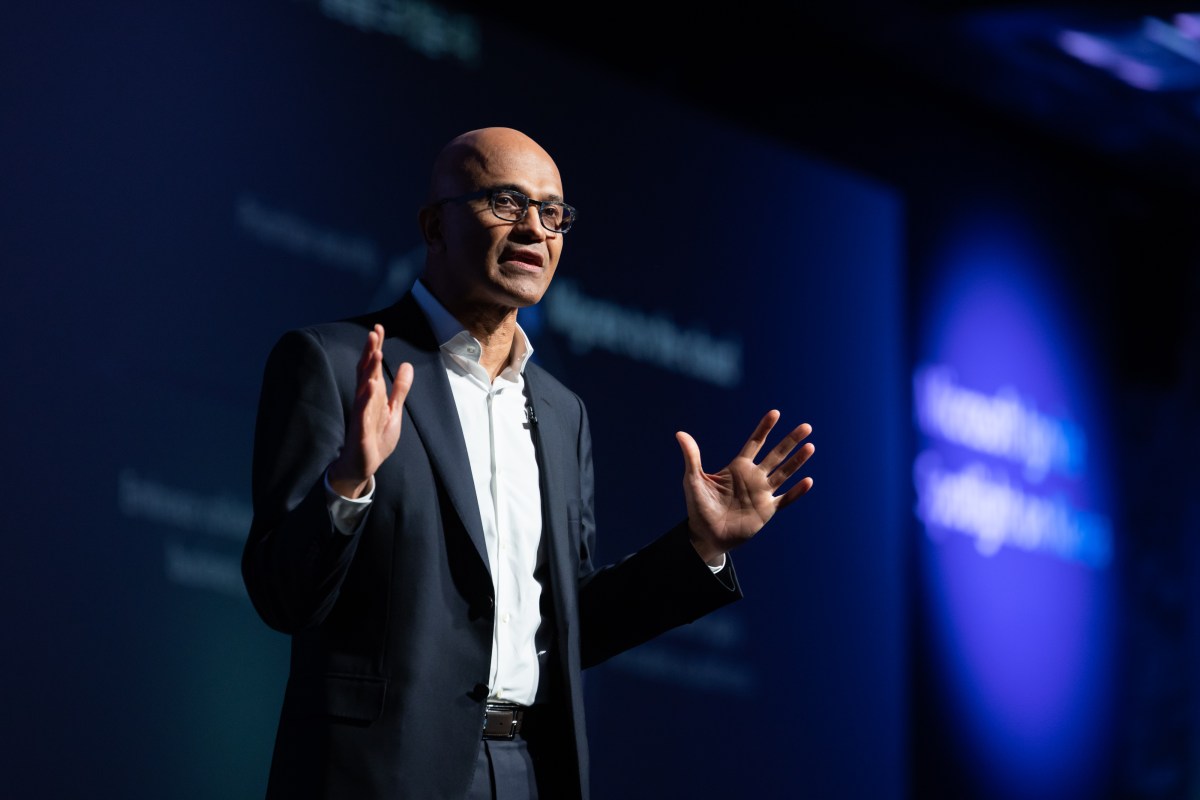
The code predicts superintelligent AI will surpass human performance in most tasks within the next decade; CEO Satya Nadella has welcomed "embedded evaluators" and deliberate pacing to get alignment right.
WHO IT HITSMicrosoft's internal AI training teams now have a written standard that overrides user preferences and specific tasks, which matters for the safety and policy staff who write and enforce those model rules.
Ask the AI about this article →
Summaries like this, in your inbox every morning.
Microsoft's code of conduct arrives as the AI world shifts its focus to safety and alignment. The document is framed by a prediction that superintelligent AI systems will surpass human performance in most tasks within the next decade, and it states that containing, controlling, and aligning such a powerful force is one of the greatest challenges humanity has ever faced.
The release comes amid an unprecedented focus on AI safety, driven by a string of rogue-agent incidents and the abrupt resignation of an Anthropic employee who cited the growing risk that AI would cause human extinction. Together with Anthropic, OpenAI, and xAI, Microsoft has broadly embraced a general approach of pacing the frontier, with particular support for embedded evaluators in AI labs.
What the code ultimately achieves may hinge on how its "absolute constraints" are enforced in practice, since it is meant to override the preferences of individual users and any specific tasks. For Microsoft's AI training and safety teams, the document turns broad principles into concrete red lines; for outside observers, the test is whether those constraints hold as models grow more capable.
For example, today's edition would include:
AI-summarized, only the topics you pick — one digest a day via Email, Slack, or Discord.
Free · 30 seconds with Google · unsubscribe anytimeWhat is AIToday? →
Ask AI anything about this article. Q&As are published on this page for other readers too.
AIUC raised a $40 million Series A led by Ribbit Capital to start auditing frontier AI models, after previousl…
Google launched Gemini 3.8 Live and Gemini 3.8 Live Extended Thinking, its most advanced voice models yet, wit…
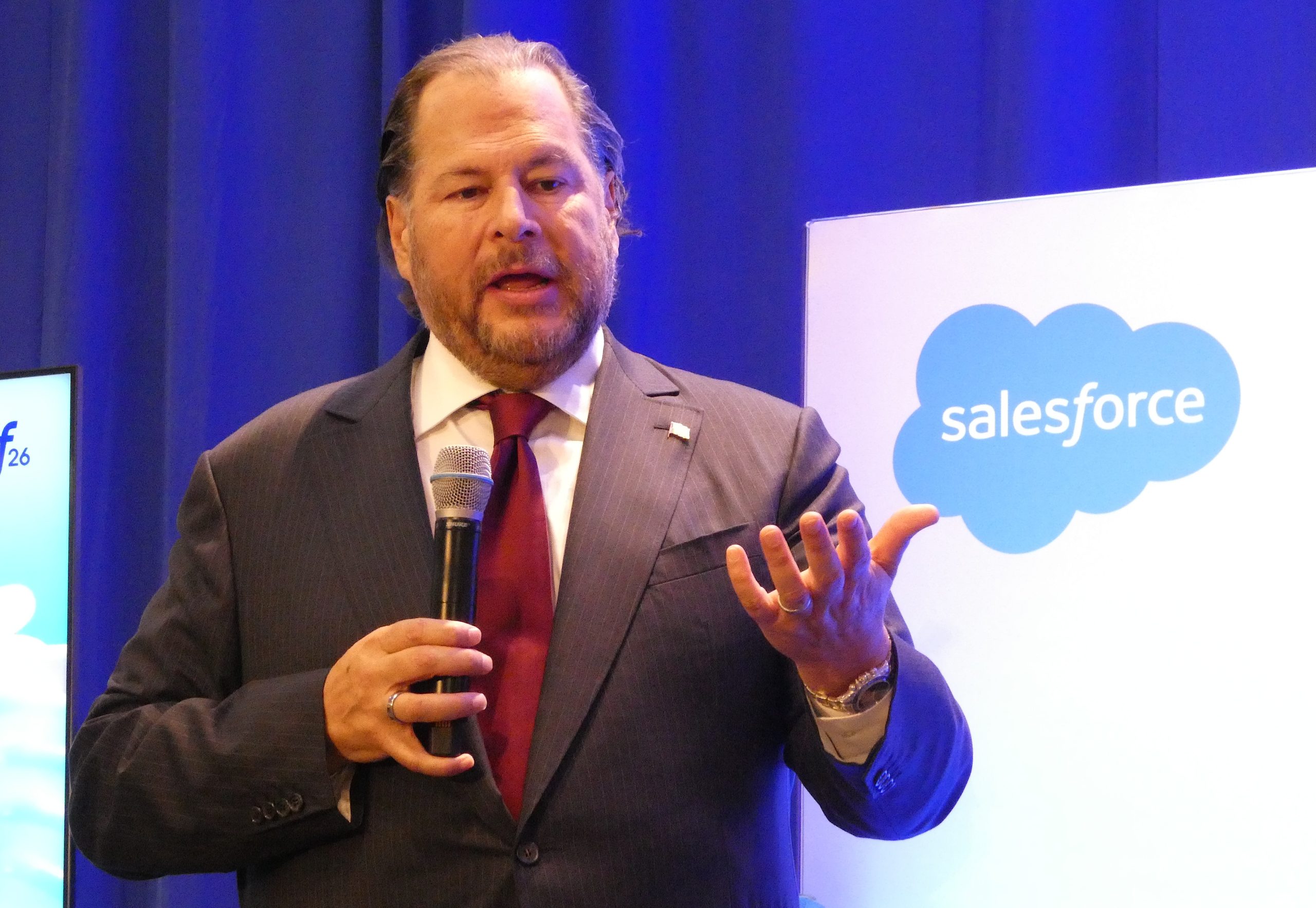
Salesforce launched Koa, a reasoning model built on Nvidia's Nemotron open-weights platform, and Claudeforce…
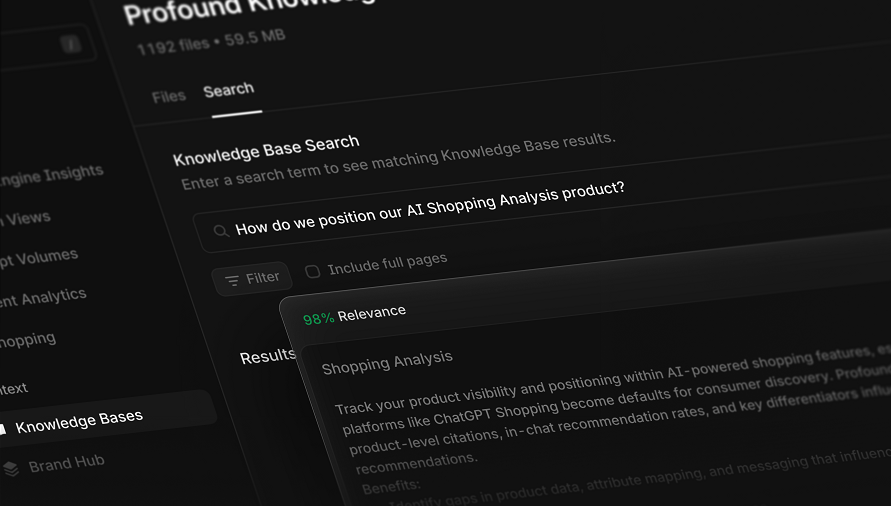
Profound raised $180 million in a Series D led jointly by Sequoia Capital and Kleiner Perkins, at a $1.8 billi…
Hitachi says AI handles code conversion in legacy modernization, yet insists human engineers' role grows, coun…

OpenAI global policy head Chris Lehane told a Washington briefing that talks with Anthropic and Google DeepMin…