
What happened
Hitachi says AI handles code conversion in legacy modernization, yet insists human engineers' role grows, countering the view that COBOL talent is the real shortage.
Why it matters
The framing shifts from AI replacing engineers to AI increasing their importance, as generative AI takes over tasks like converting undocumented specs and code in large projects.
What to watch
The test is how Hitachi applies AI to the hardest part of modernization projects and how the engineer's role changes; the article points to timing and three groundwork steps for replatforming.
WHO IT HITSThis lands on IT leaders and enterprise architects planning legacy system modernization, as well as engineers whose work shifts from code conversion to overseeing AI-driven projects. It also concerns vendors and users redefining their relationship around these projects.
Ask the AI about this article →
Summaries like this, in your inbox every morning.
Hitachi's message comes as generative AI is starting to change how legacy system modernization is done. According to the article, some companies are already applying generative AI to large-scale projects, including work on black-boxed undocumented specifications and code conversion. That sets up a contrast: even as AI handles more of the technical conversion, Hitachi argues the human engineer's role becomes more important, not less.
The broader context is a shift in what counts as the bottleneck. The headline itself pushes back on the common assumption that a lack of COBOL engineers is the core problem. Instead, the article frames the challenge around how AI is applied to the hardest parts of modernization and how the roles of vendors and users change in that process. It also points to timing and groundwork as key factors for replatforming.
What the outcome hinges on is whether organizations can pair AI-driven conversion with the right human oversight and preparation. For IT leaders and engineers, the practical question is where human judgment remains essential as AI takes on more code-level work. The article does not settle that question, but it signals that the answer is likely to shape how modernization projects are staffed and sequenced.
For example, today's edition would include:
AI-summarized, only the topics you pick — one digest a day via Email, Slack, or Discord.
Free · 30 seconds with Google · unsubscribe anytimeWhat is AIToday? →
Ask AI anything about this article. Q&As are published on this page for other readers too.
Factory announced it raised $200 million, backed by Blackstone, Khosla Ventures, Sequoia Capital, NEA and othe…
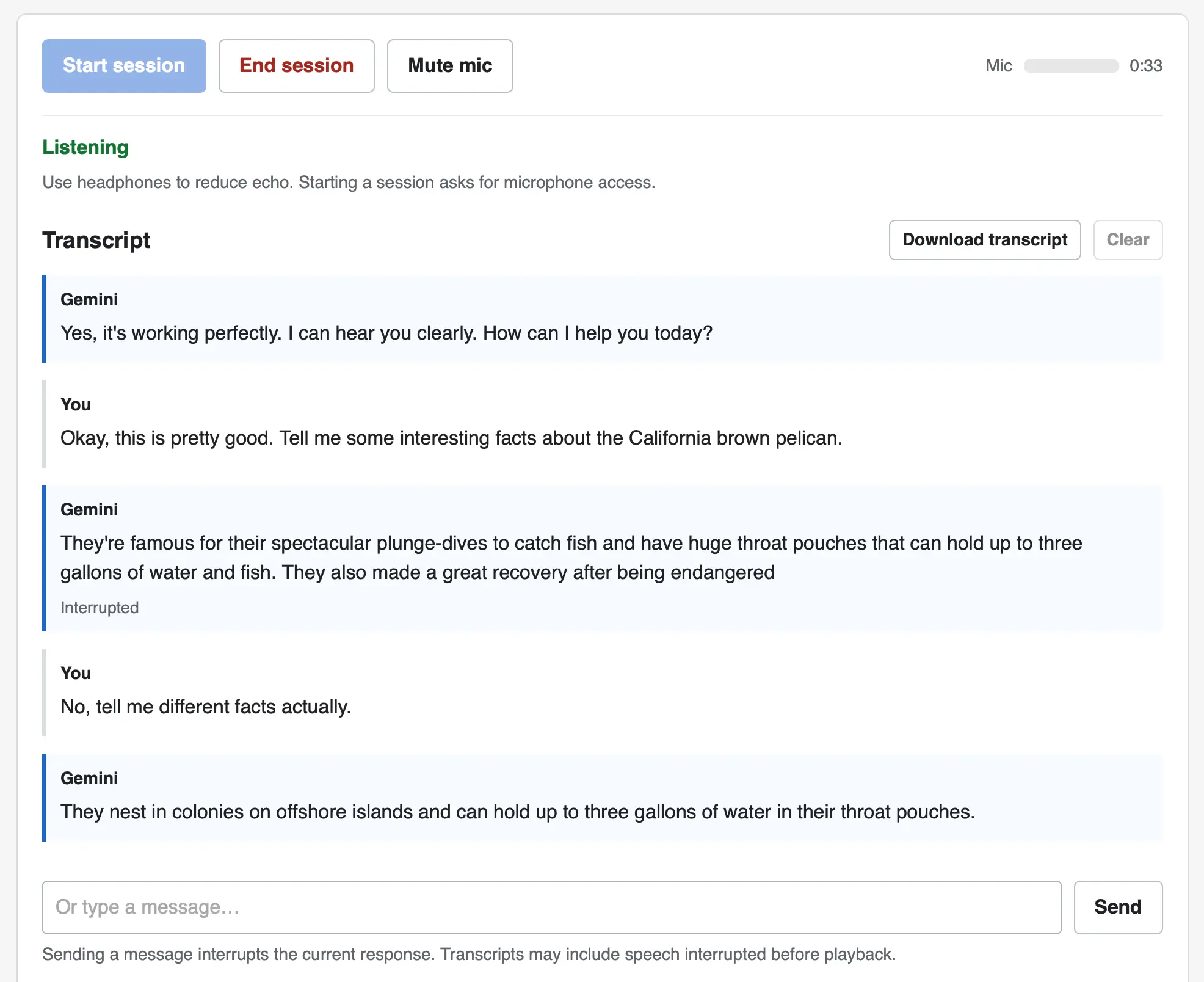
Google launched Gemini 3.8 Live and Gemini 3.8 Live Extended Thinking, its most advanced voice models yet, wit…

Salesforce launched Koa, a reasoning model built on Nvidia's Nemotron open-weights platform, and Claudeforce…
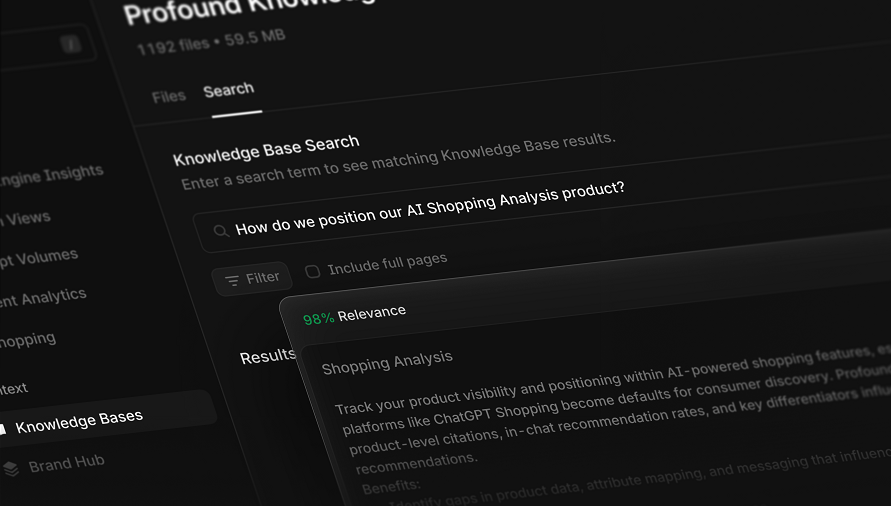
Profound raised $180 million in a Series D led jointly by Sequoia Capital and Kleiner Perkins, at a $1.8 billi…
Google released Gemini 3.8 Live and 3.8 Live Extended Thinking, two speech-to-speech models similar in shape t…
Sam Altman told Fortune that OpenAI favors coordinating an industry-wide AI development slowdown with rivals i…