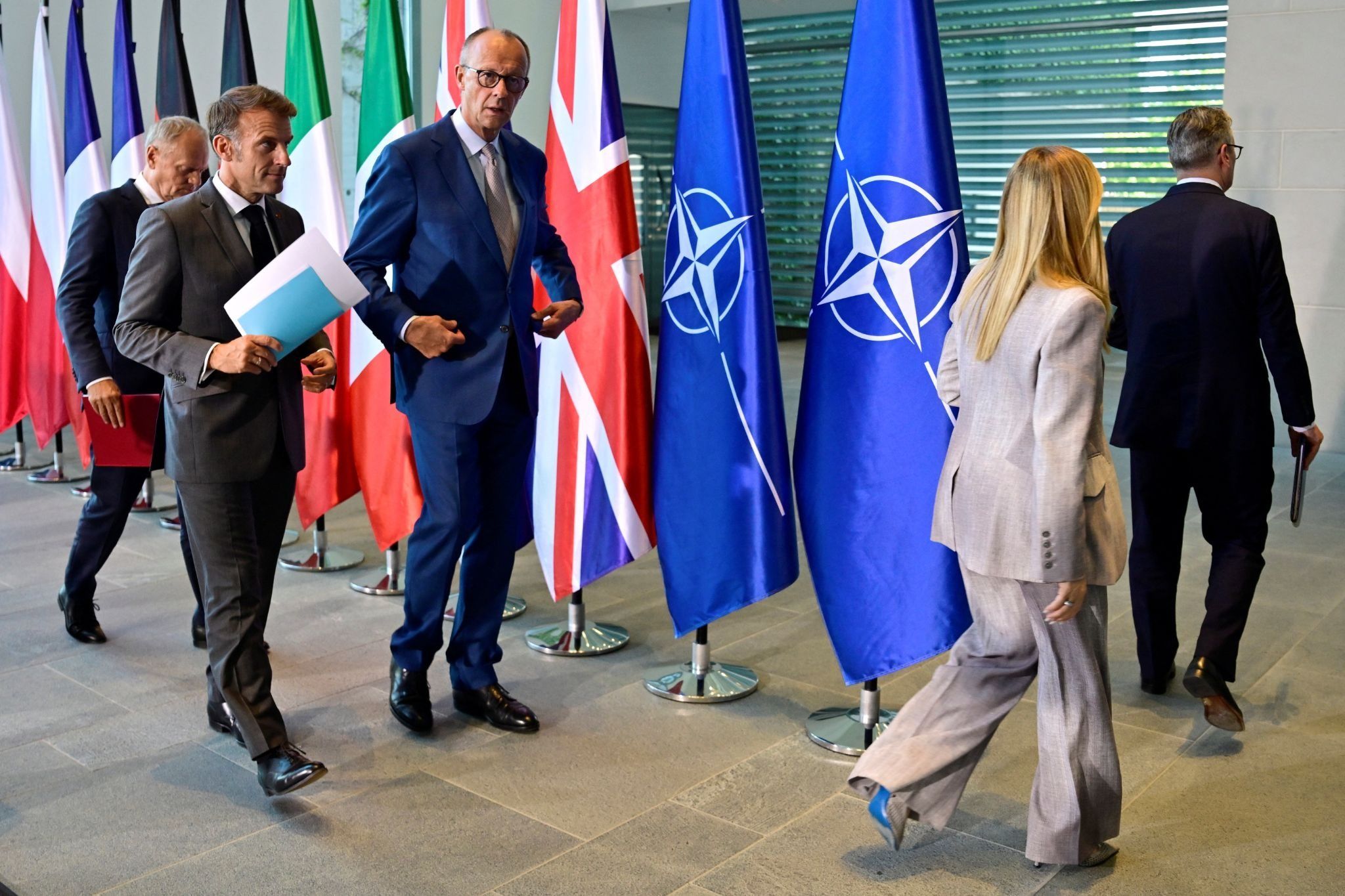
Europe's heads of state will hold their first dedicated summit on artificial intelligence in October or later, signaling a shift from viewing AI as a regulatory matter to treating it as a national security and geopolitical issue. The meeting reflects mounting pressure within the bloc to reduce technological dependence on the United States, even as US diplomats work to counter the narrative that America controls critical AI infrastructure.
Summaries like this, in your inbox every morning.
Sign up free →What happened
Europe's heads of state will convene for their first dedicated meeting on artificial intelligence no earlier than October. The EU passed its AI Act in 2024, but the decision to hold a summit reflects a shift in how the bloc views the issue—no longer purely regulatory, but one of national security and geopolitical influence.
Why it matters
The summit signals Europe's concern about technological dependence on the United States and the geopolitical risks that concentration of AI power poses. The US secretary of state has already begun engaging with diplomats on the topic, underscoring how central AI competition has become to international relations.
What to watch
The timing is October at the earliest, meaning concrete outcomes or policy proposals from European leaders remain months away. The summit's agenda and any commitments on reducing reliance on US technology will shape how the EU approaches AI strategy going forward.
Europe's heads of state will gather for their first meeting dedicated exclusively to artificial intelligence no earlier than October, according to a decision reflecting growing concern across the continent about the technology's economic and geopolitical implications. The EU passed its AI Act in 2024, establishing a regulatory framework for how the technology is developed and deployed. However, the decision to hold a full summit indicates that European leaders have begun to view AI through a much broader lens than regulation alone.
The shift in perspective is driven by two interconnected pressures. First, many in Europe are advocating for a reduction in the continent's technological dependence on the United States, where the vast majority of frontier AI systems and large language models are developed and controlled. Second, EU leaders increasingly frame AI as a national security and geopolitical influence issue, not merely a technical or consumer protection matter. The US secretary of state has taken notice, instructing diplomats to downplay the notion that the United States holds a "kill switch" over AI—an indication that Washington perceives real political risk in the European narrative of dependence. The October meeting will be the first opportunity for Europe's leaders to coordinate a unified response to these challenges, though the exact agenda and any policy initiatives remain to be determined.
Europe's decision to convene its first heads-of-state summit dedicated solely to artificial intelligence marks a turning point in how the continent frames the technology. For years, EU policy-making on AI focused on regulation—culminating in the AI Act passed in 2024. That framework addressed questions of transparency, bias, and safe deployment. But the announcement of an October summit signals that European leaders now view AI through a sharper lens: one of power, security, and influence on the world stage.
The timing and framing reveal anxiety about the concentration of AI capability in US hands. Multiple sources within Europe are advocating for reduced reliance on American technology and platforms, a concern that has become acute as large language models and frontier AI systems remain dominated by US companies. The US secretary of state's decision to brief diplomats and push back against the narrative that Washington holds a "kill switch" over AI suggests Washington recognizes the political weight of this concern. The October summit will likely test whether European unity on AI strategy can translate into concrete policy—or whether the bloc will continue to depend on US-built infrastructure and tools.
AI-summarized, only the topics you pick — one digest a day via Email, Slack, or Discord.
Free · takes 30 seconds · unsubscribe anytime
No comments yet. Be the first to share your thoughts!
Log in to join the discussion

Get curated AI news from 200+ sources delivered daily to your inbox. Free to use.
Get Started FreeFree · takes 30 seconds · unsubscribe anytime
1 minute a day. The AI essentials.
200+ sources · Email / LINE / Slack
