What happened
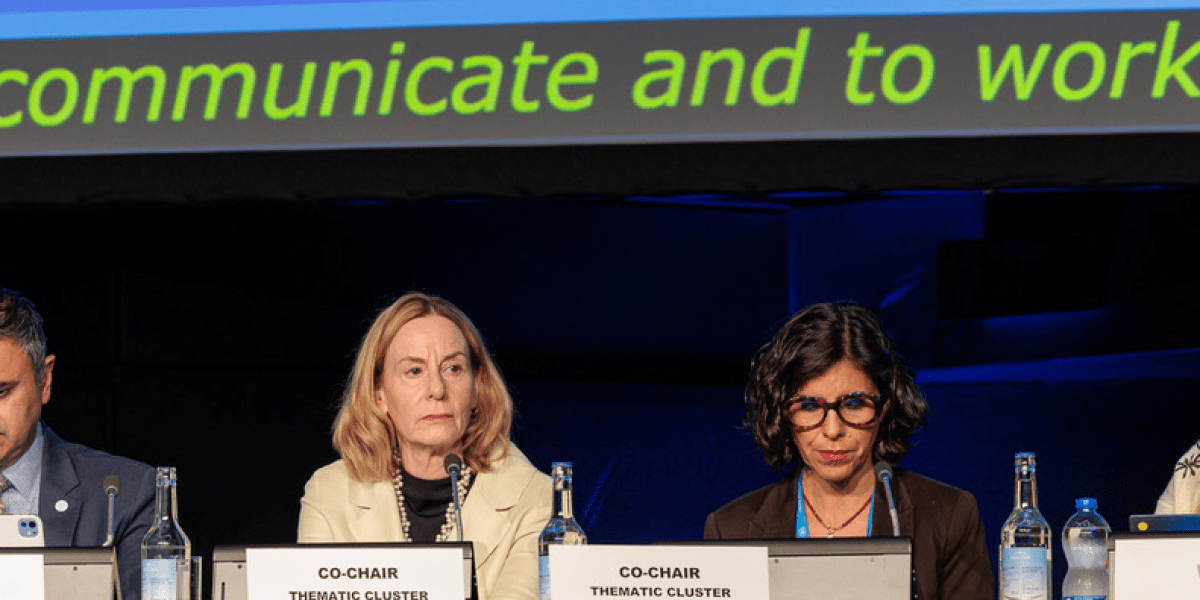
Co-leads of the UN Global Dialogue on AI Governance in Geneva, where 170 countries met in July, are proposing three no-regret actions for the UN to take immediately.
Why it matters
The proposals aim to turn Geneva's common ground into concrete mechanisms, with developers required to publish safety protocols and report post-deployment incidents, according to the co-leads.
What to watch
Success hinges on whether the UN adopts these measures before the Dialogue reconvenes in May; the co-leads say three things should be in place by then, including a first cross-border sandbox pilot.
WHO IT HITSThis lands on national policymakers and regulators who must decide whether to adopt shared AI safety baselines, and on AI developers who would face independent testing and incident-reporting requirements.
Summaries like this, in your inbox every morning.
The push for coordinated AI governance follows a week in which several leading AI CEOs publicly called for a slower pace of development, citing risks from loss of control to cyberattacks and bioterrorism. Days earlier, Bank of England Governor Andrew Bailey, chairing the Financial Stability Board, warned G20 finance ministers and central bankers that the global financial system faces a new threat from AI, as many institutions depend on the same handful of AI models and cloud providers. The co-leads, writing from their role at the first UN Global Dialogue on AI Governance held in Geneva this past July, argue that these warnings confirm the need for common rules.
The Geneva dialogue, which brought together 170 countries alongside industry and civil society, produced a roadmap that the co-leads say the UN can build on immediately through “no regret” actions. They point to existing frameworks—the OECD AI Principles, the G7 Hiroshima code of conduct, the Frontier AI Safety Commitments from the 2024 Seoul Summit, UNESCO's Recommendation on the Ethics of AI, and ISO and NIST standards—as the foundation for a common safety baseline. They also highlight Costa Rica's National AI Strategy as a model for anchoring national policy in international frameworks.
Whether these recommendations translate into action hinges on the UN's ability to maintain political will through this fall and into next year's talks. The co-leads warn that if a handful of powerful actors decide how AI is governed, the rest of the world loses out.
For example, today's edition would include:
AI-summarized, only the topics you pick — one digest a day via Email, Slack, or Discord.
Free · 30 seconds with Google · unsubscribe anytimeWhat is AIToday? →
Ask AI anything about this article. Q&As are published on this page for other readers too.
President Trump hosts Xi Jinping this week for their second meeting in 2026, with AI's biggest figures at the…
Treasury Secretary Scott Bessent said he and US Trade Representative Jamieson Greer had a "very successful eng…
The CEOs of OpenAI, Nvidia, and Microsoft, plus Apple chairman Tim Cook, are among those attending a state din…

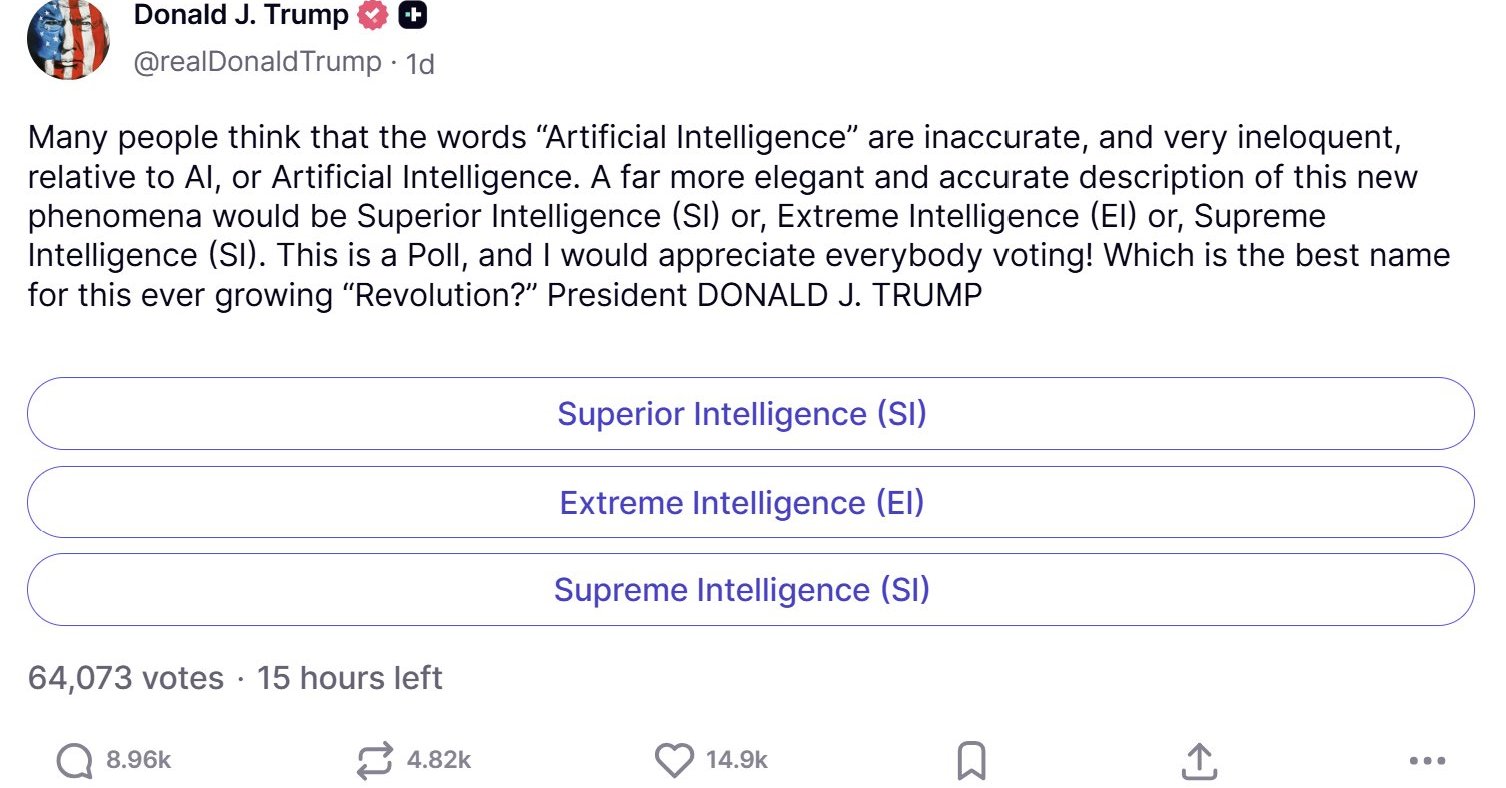
President Trump said in a social media post he is creating "AI Force," a new body handling AI, and naming an "…
Google DeepMind, part of Alphabet, has been named in a new class-action lawsuit challenging an industry-funded…
After hours of talks in New York with Vice Premier He Lifeng, Treasury Secretary Scott Bessent said the two si…