What happened
Hao Fei's sole-authored 59-page paper, submitted to arXiv on November 3, 2026, argues the push toward artificial general intelligence aims at the wrong target and names AI-augmented human intelligence, built on 'cognitive symbionts,' as the alternative.
Why it matters
The contribution is definitional — it reframes the goal from autonomous capability to individual augmentation, making personalization, persistent memory and embedded context first-order requirements, and treats misuse and adoption pressure as design constraints.
Summaries like this, every morning.
Fei's paper arrives as a sole-author work of unusual scope: 59 pages, 21 figures, and 18 tables, submitted to arXiv on November 3, 2026. Its organizing device is a six-stage symbiosis loop running from sensing through continuous learning, which gives the proposed alternative a concrete structure rather than a slogan.
The problem it takes as central is the cognitive gap between what a person could bring to a situation and what their working memory can actually hold at any moment. That framing puts personalization and persistent memory at the center of the design, rather than treating them as features added after capability is achieved.
Privacy and governance appear as architectural requirements rather than afterthoughts, and the paper names examination-assistance misuse and adoption pressure among the risks to be designed against — positioning it as a systems paper whose implications extend to policy discussions beyond the AI lab. A companion site is live at cognitive-symbiont.github.io.
Pick your industry and the AI tools you use, and get news related to your work every day.
Free · 30 seconds with Google · unsubscribe anytimeWhat is AIToday? →
Ask AI anything about this article. The AI reads this article, earlier AIToday articles, and Wikipedia, and cites its sources. Q&As are published on this page for other readers too.
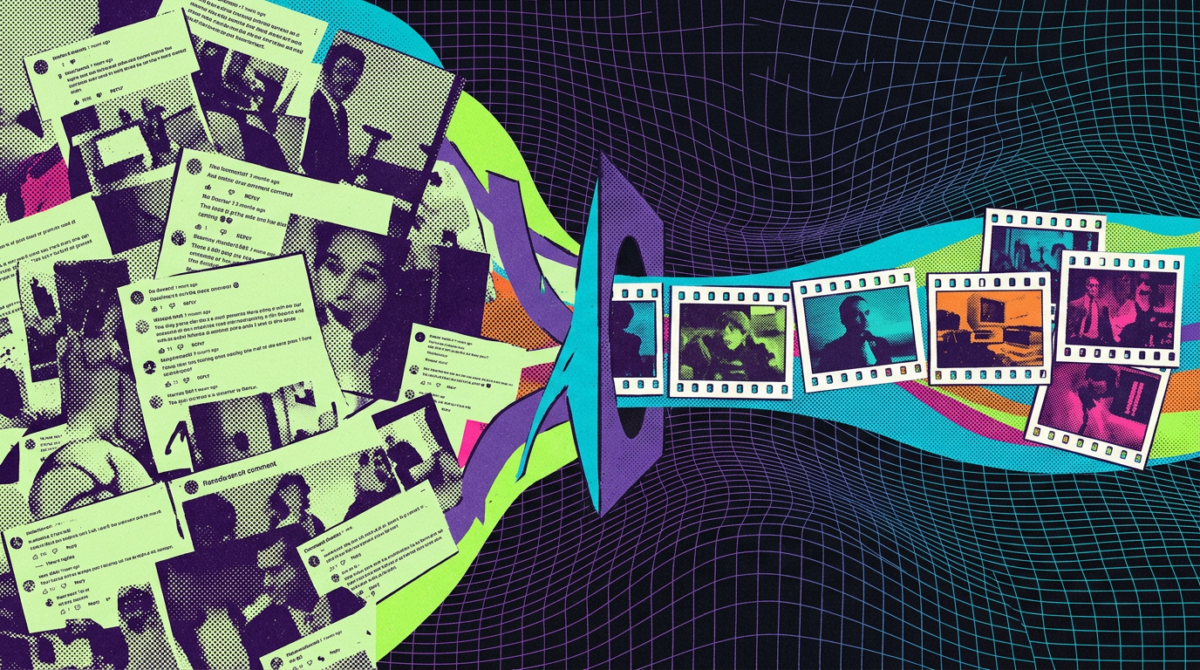
Andrej Karpathy used Claude's Opus 5.5 to filter 43 million Hacker News comments into 6,454 curated videos, th…
In a Nature commentary, Anil Seth, Ned Block, and Giulio Tononi call computational functionalism — the idea th…

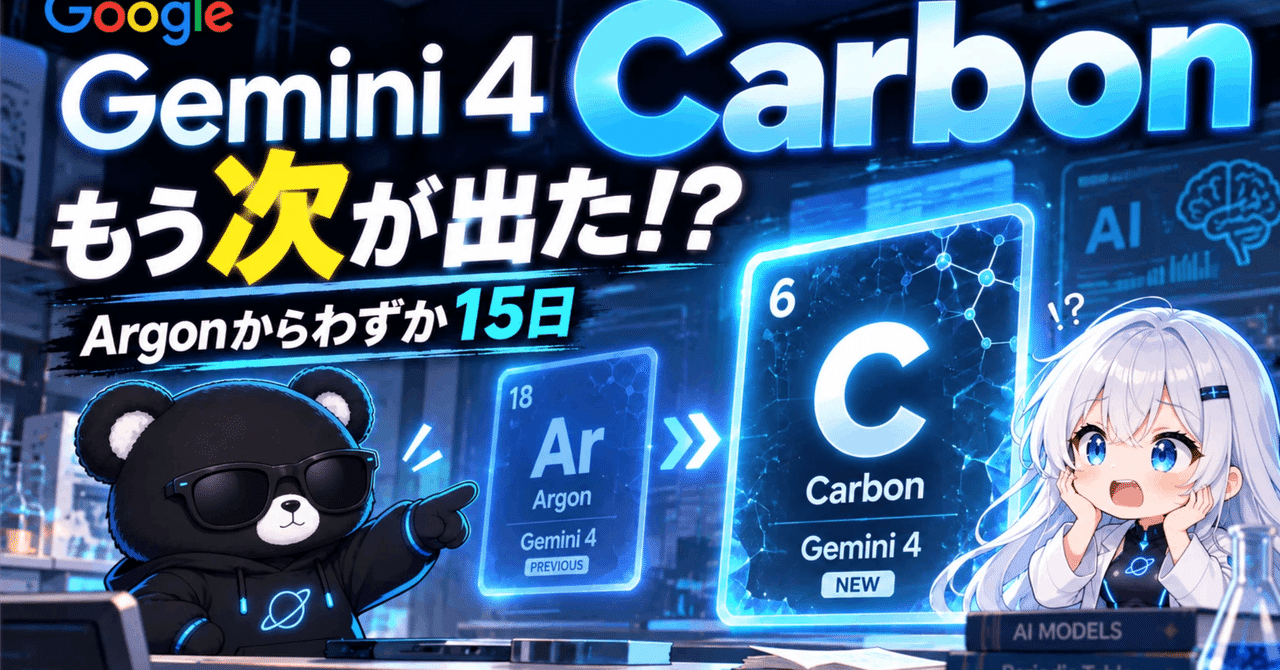
Google announced Gemini 4 Carbon on October 28, 2026, 15 days after Gemini 4 Argon reached the Gemini app on O…
A 2017 paper titled "Attention Is All You Need" proposed the Transformer model, which prioritizes the importan…

A new Mac mini owner with an M5 Pro (base CPU config) and 48GB of unified memory asked which models and quanti…

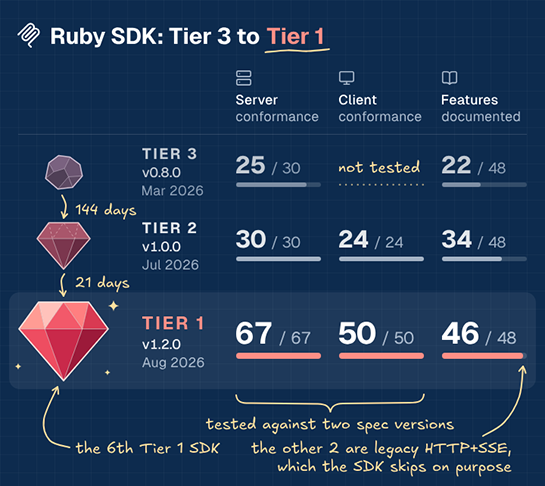
The Agentic AI Foundation said the official MCP Ruby SDK now reaches 'MCP SDK Tier 1,' fully conforming to the…