What happened
Cache, an open-source bookmark manager, launched to consolidate bookmarks and saves from browsers, Instagram, TikTok, YouTube, X/Twitter, GitHub, Pinterest, Google Photos, and other platforms into a single searchable library. The tool includes AI-assisted organization, note-taking, collaboration features, and supports self-hosting via Bun, Node.js, and PostgreSQL.
Why it matters
Bookmarks saved across multiple platforms typically go unused because they scatter across services disconnected from a user's workflow. Cache treats saving as a first-class action and surfaces content through AI search, smart collections with auto-ranking, and live summaries—turning an abandoned signal into actionable knowledge that stays portable and private.
What to watch
Self-hosting is marked as work-in-progress; the cloud version runs at www.cachd.app. The roadmap includes reminders, threaded comments, an inbox triage view, Raycast integration, and Substack support. The project exposes an MCP server so AI agents like Claude and Cursor can read and write the library directly.
Summaries like this, in your inbox every morning.
The core problem Cache addresses is that bookmarks—an intentional signal that content deserves remembering—typically become lost in platform-specific lists that users never revisit. The fragmentation across browsers, social platforms, and cloud services disconnects saving from workflow and discovery. Existing tools treat bookmarking as a low-priority feature rather than the starting point for content management.
Cache's design philosophy centers on treating the save action as a first-class event. By unifying bookmarks across multiple platforms and pairing them with AI-assisted search, automatic organization, and live summaries, the tool aims to transform a deliberate but wasted signal into actionable knowledge. The inclusion of note-taking, collaboration, and custom automations positions it as a workflow hub rather than a passive archive. The availability of self-hosting with zero telemetry by default appeals to users who prioritize data control and privacy, while the cloud option provides simplicity for those who prefer not to manage infrastructure.
Pick your industry and the AI tools you use, and get news related to your work every day.
Free · 30 seconds with Google · unsubscribe anytimeWhat is AIToday? →
Ask AI anything about this article. The AI reads this article, earlier AIToday articles, and Wikipedia, and cites its sources. Q&As are published on this page for other readers too.
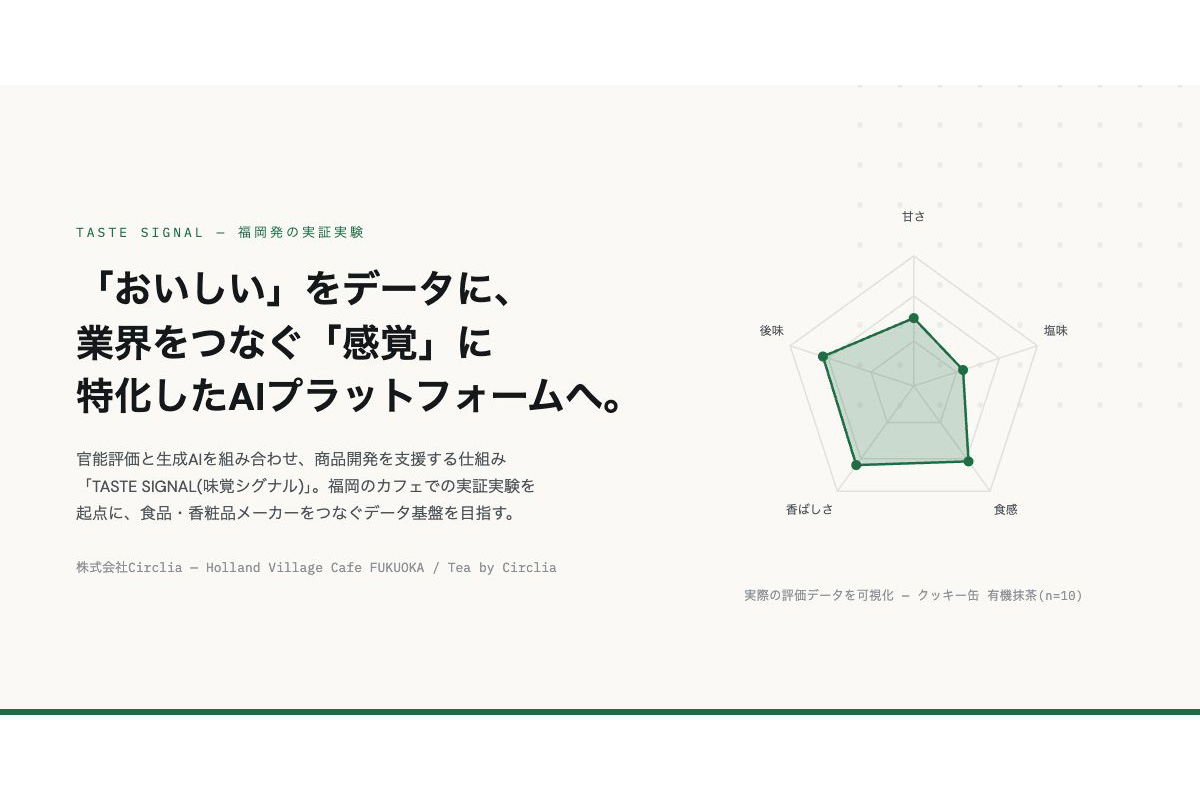
Circlia started a proof-of-concept for TASTE SIGNAL: visitors to Holland Village Cafe FUKUOKA taste cookies an…
In a webinar hosted by French Mathematical Society president Isabelle Gallagher, Fields Medal winner Hugo Dumi…

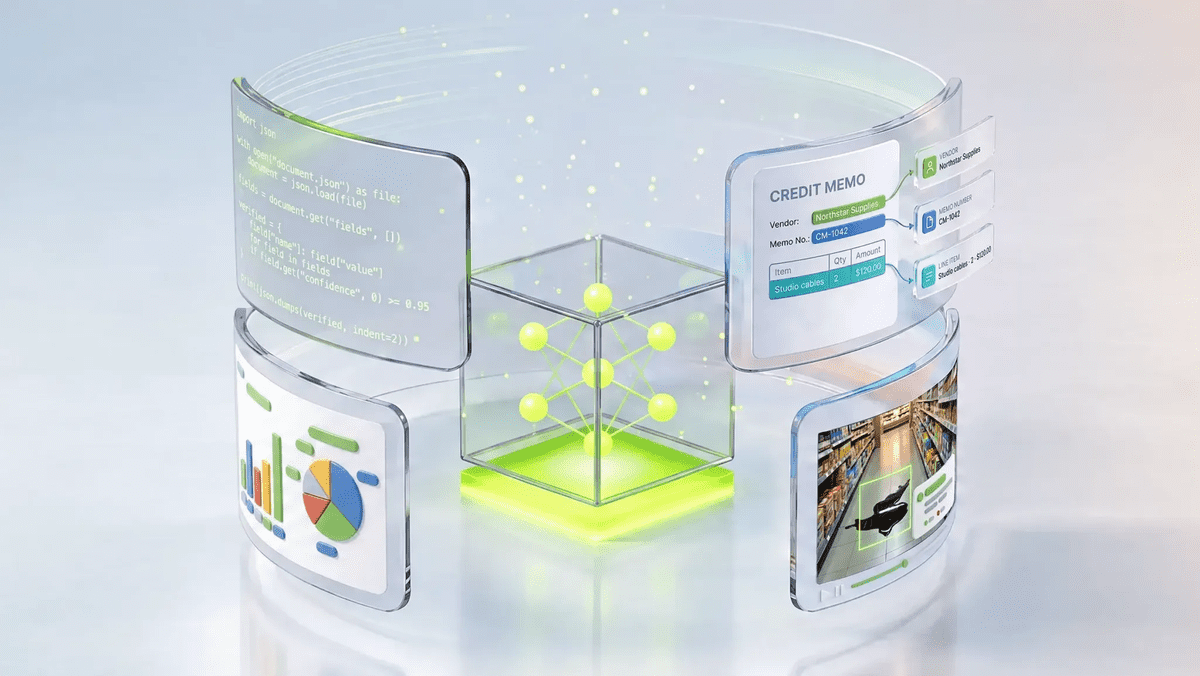
NVIDIA released Nemotron 3.5 Super VL, an open-weight model with 120 billion parameters that handles text, ima…
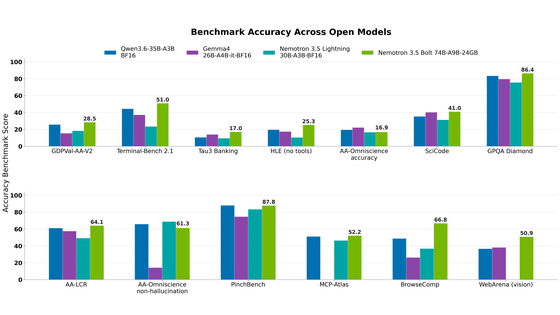
NVIDIA released Nemotron 3.5 Bolt 74B-A9B 24GB, an AI model for local agents that hits over 80 tokens per seco…
NVIDIA published a blog post titled "AI Security Is an Engineering Problem - How to Solve It at Every Layer of…

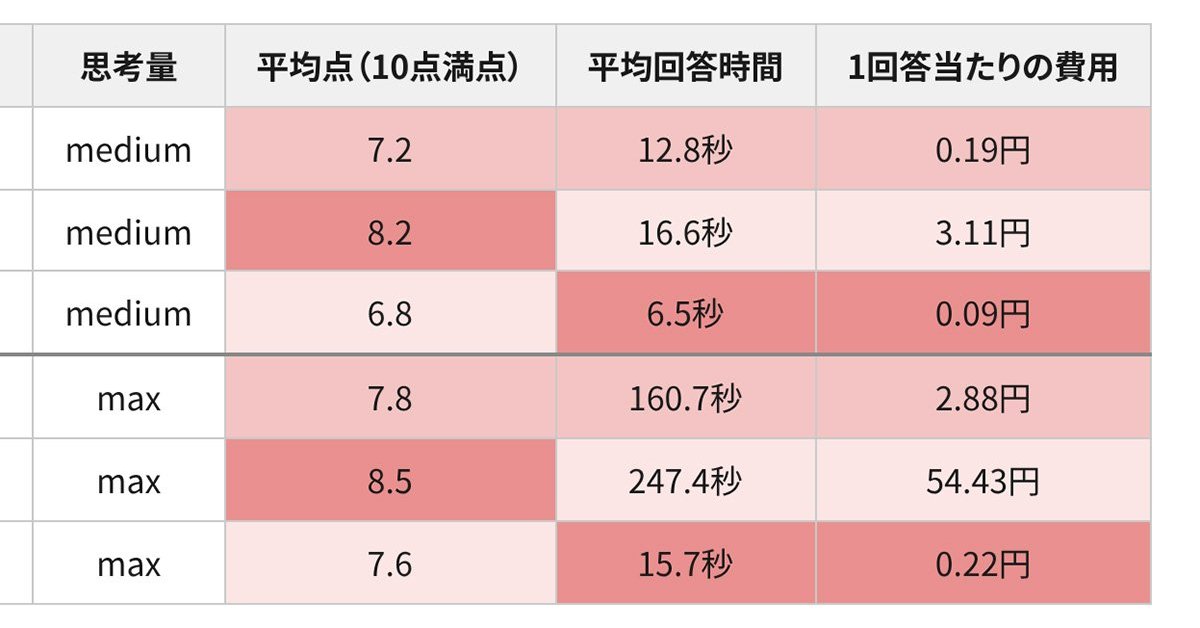
In the test, Haiku 5.5 on medium setting averaged scores close to Sonnet 5.5 on routine documents at about 1/1…