What happened
Xpeng posted code and weights on GitHub for GroundingPI, a roughly 4-billion-parameter perception model built with Peking University and the University of Hong Kong, scoring 73.68 across 34 benchmarks versus GPT-6 Astra's 71.54.
Why it matters
Xpeng is pitching GroundingPI as a fix for general-purpose models' adaptation gap in physical scenarios like autonomous driving and robotics, though the lead comes from its own evaluation with no third-party rerun and is still a scientific prototype, so the edge over GPT-6 Astra is unconfirmed.
WHO IT HITSResearchers and engineers building perception stacks for autonomous driving and robotics gain an openly downloadable model and weights to test, while Xpeng's own benchmark lead over GPT-6 Astra remains unverified by third parties.
Summaries like this, every morning.
Xpeng's framing is that general-purpose large models face an adaptation gap when applied to physical scenarios such as autonomous driving and robotics. GroundingPI is its attempt to close that gap by training without robot action labels, leaning on pure perception data for detection, text recognition and spatial localization. The training recipe combines multimodal and spatial pretraining, supervised fine-tuning, and reinforcement learning with GRPO, drawing on public datasets and dedicated data engines.
The name splices "Grounding" (visual localization) and "PI" for Physical Intelligence, which signals where Xpeng wants this to sit: as a visual backbone rather than a full driving or robot policy. Early use cases named are material sorting and bin counting, with autonomous driving and humanoid robots as the longer target.
The result lands in a busy stretch of Chinese embodied-AI releases. Xpeng's own tracker counts 296 China AI stories in the last 90 days, and Baidu's Apollo World robotaxi trainer landed the same day. Against that backdrop, the open-sourcing of code and weights is likely to be read as a bid for outside testing, though the benchmark lead itself remains self-reported for now.
Pick your industry and the AI tools you use, and get news related to your work every day.
Free · 30 seconds with Google · unsubscribe anytimeWhat is AIToday? →
Ask AI anything about this article. The AI reads this article, earlier AIToday articles, and Wikipedia, and cites its sources. Q&As are published on this page for other readers too.
ExaWizards will strengthen its business partnership with Fukuoka Financial Group, targeting back-office work a…

Starting in early 2027, Google will make Gemini, Gemini Notebook, and Google Search off by default for student…
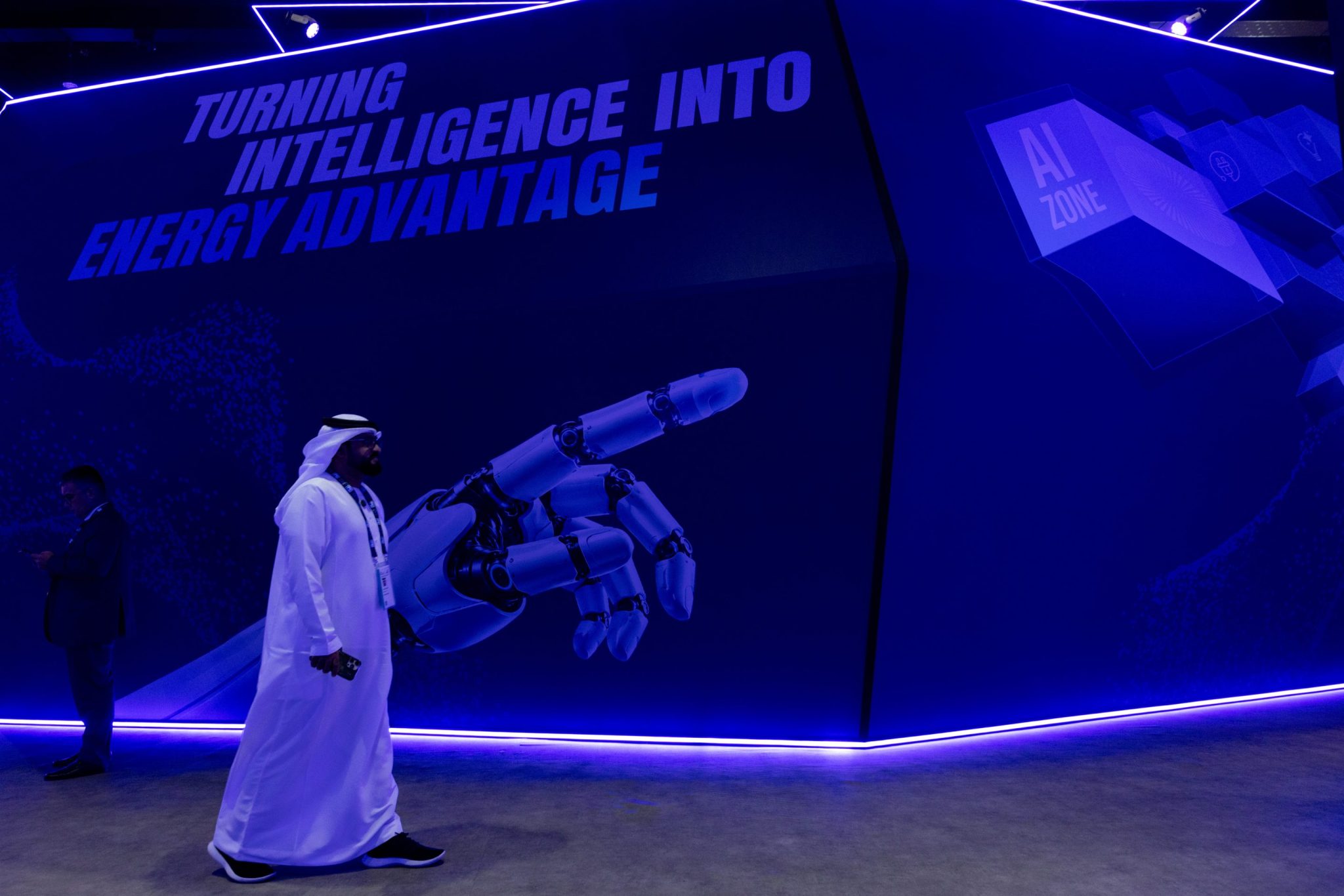
ADNOC signed a deal with OpenAI and G42 to become the world's first energy company deploying OpenAI's Frontier…
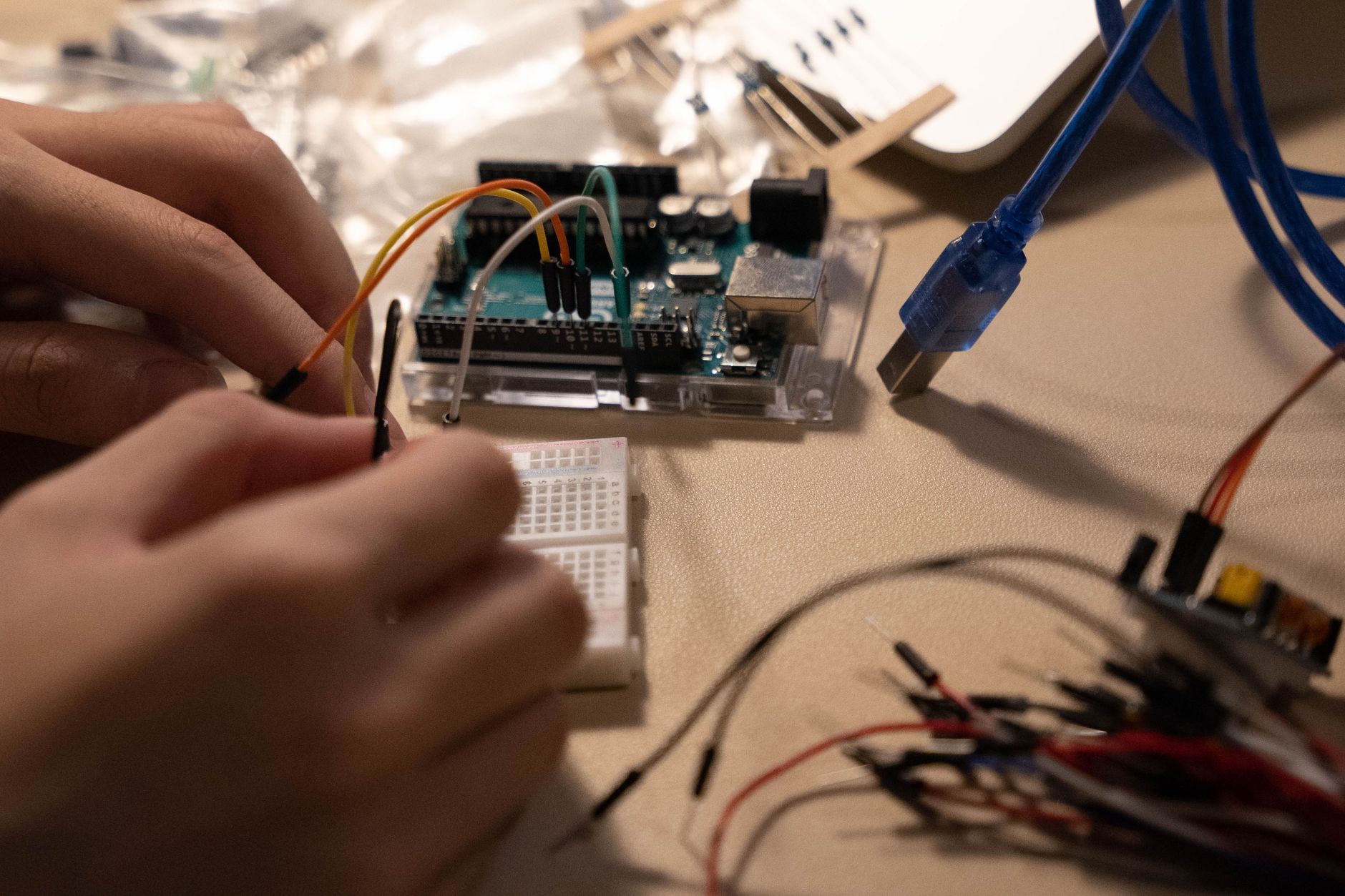
Running the STM32 model zoo object-detection sample on an STM32N6570-DK board, the author found the demo recog…
In Crazyrouter's paper-trading experiment, 12 configured model routes each started with $10,000 and made one s…
Alphabet said Search revenue growth slowed to 12 percent year over year in Q3 from roughly 17 percent, and pai…