What happened
Anthropic is releasing an expanded Cyber Verification Program with three access levels — Defense, Red Team, and Special Access. Users apply via the Verification Portal and can pick models like Claude Opus 5.5 and Claude Mythos 5.1.
Why it matters
Each tier carries different vetting requirements and security controls, so vetted security teams at nonprofits, universities, government bodies, hospitals, and utilities gain advanced cybersecurity features and relaxed blocking that ordinary users do not get.
What to watch
Special Access, the tier with the fewest cyber blocks, is reviewed in cooperation with the U.S. government, so the highest-risk permissions hinge on government screening. Watch for Enterprise Frontier Safeguards later this autumn.
WHO IT HITSVetted security teams — SOC and incident-response staff, malware reverse engineers, vulnerability analysts, internal and government red teams, and penetration-testing firms — gain tiered access to Claude models with relaxed blocking, while participating organizations must accept data retention rules.
Summaries like this, in your inbox every morning.
Anthropic's Cyber Verification Program is not new, but the expansion reshapes it into a graduated system. The three tiers — Defense Access, Red Team Access, and Special Access — are meant to match the scope of a security team's work, with different verification requirements and security controls applied at each level. Defense Access covers defensive work such as security operations centers, incident response, malware reverse engineering, and vulnerability analysis, and is aimed at nonprofits, universities, government security teams, and operators of critical infrastructure like regional hospitals and local government utilities.
Red Team Access goes further, permitting approved penetration testing and red team activities in addition to defensive use, for internal red teams, government red teams, and security and penetration-testing firms. Even there, operations that could cause harm or widespread disruption — deploying ransomware, damaging physical systems, or penetration-testing high-risk safety systems — remain blocked in real time, and testing is limited to authorized systems such as IT systems in critical industries. The third tier, Special Access, carries the fewest cyber blocks and is reserved for a limited set of verified organizations testing safety systems tied to aviation operations, power grids, telecom networks, interbank transfer infrastructure, and government administrative networks. Reviews for this level are conducted in cooperation with the U.S. government.
Organizations in the program are required to retain data in order to monitor cyber misuse, which sets up the coming change: Enterprise Frontier Safeguards, described as combining zero data retention with robust security, is slated for availability later this autumn, at which point eligible organizations will be able to store data in cloud infrastructure they manage themselves. Until then, organizations with access to zero-data-retention Claude Fable 5.1 or Claude Mythos 5.1 can use a zero-data-retention version of the program. The balance the program strikes is likely to be tested at the Special Access tier, where the fewest blocks meet the most sensitive targets, and where government screening is the gate.
Pick your industry and the AI tools you use, and get news related to your work every day.
Free · 30 seconds with Google · unsubscribe anytimeWhat is AIToday? →
Ask AI anything about this article. The AI reads this article, earlier AIToday articles, and Wikipedia, and cites its sources. Q&As are published on this page for other readers too.
Apple researchers and NUS co-authors introduced RISED, which uses rubrics for online data selection and policy…

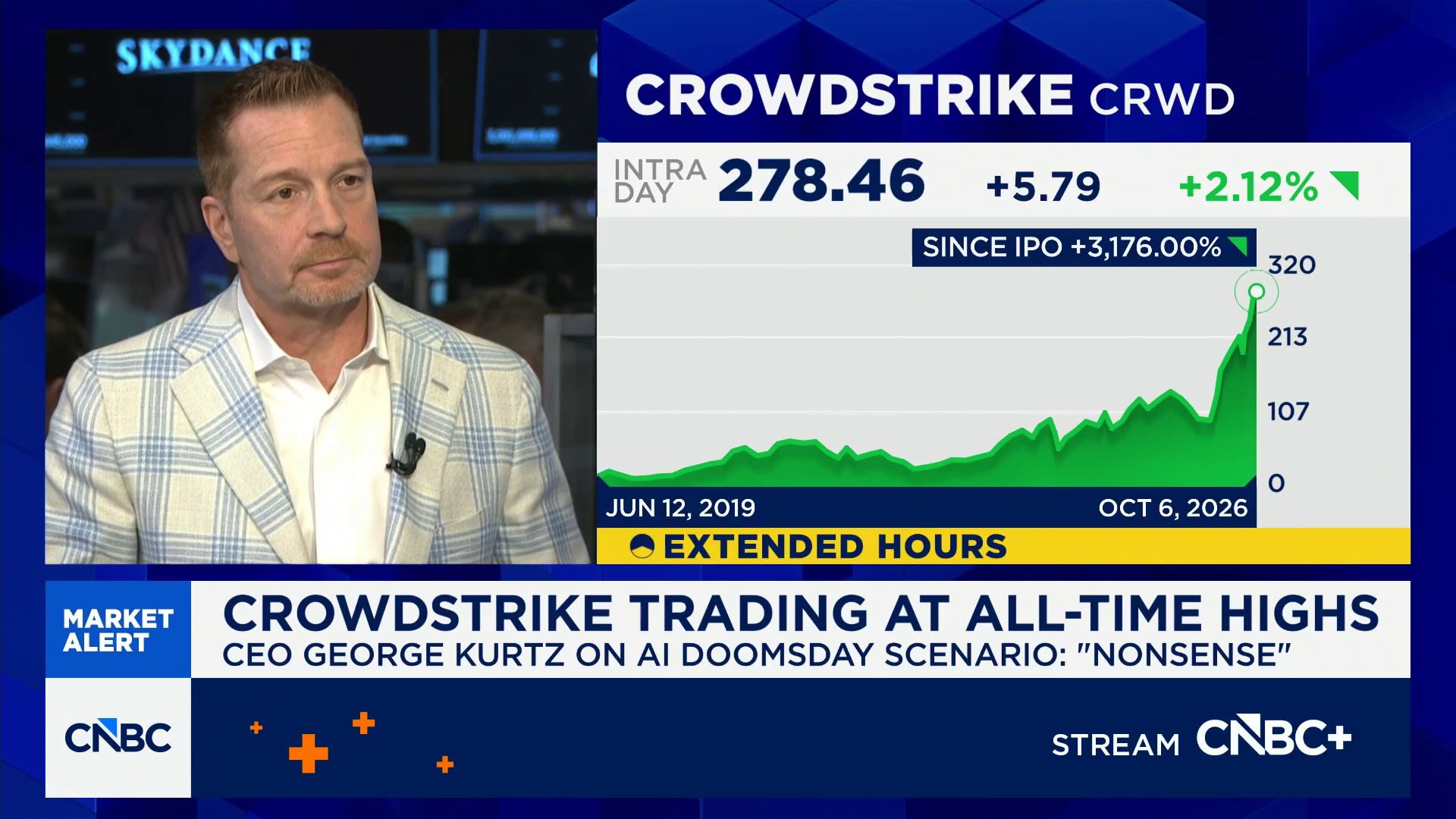
CrowdStrike founder and CEO George Kurtz told CNBC's Squawk Box that AI safety concerns amount to "a solvable…
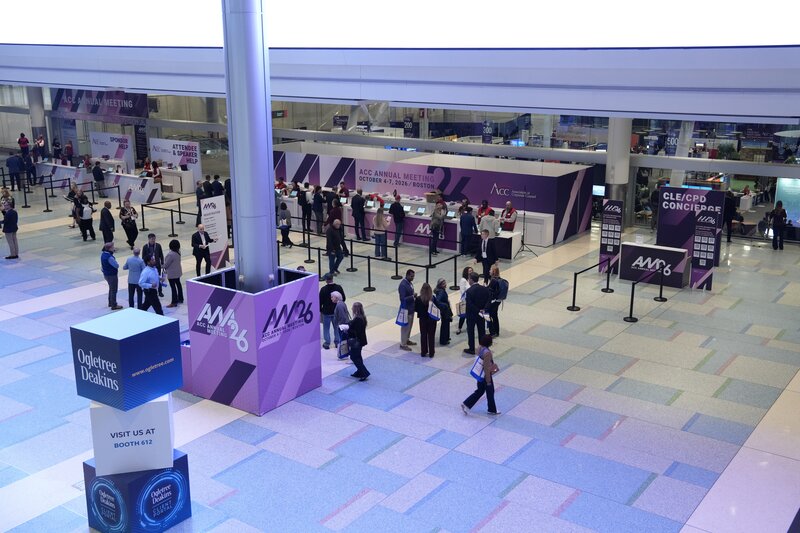
Uber and Netflix legal counsel told the Association of Corporate Counsel's annual meeting in Boston on Tuesday…
Time Magazine reports that Meta's Muse AI agent is building a dossier on users, with a digital billboard adver…

Researchers tracking 2026 U.S

Musubi announced PolicyLM-1.7B, an open-weight decision model that applies plain-English content policies to m…