What happened
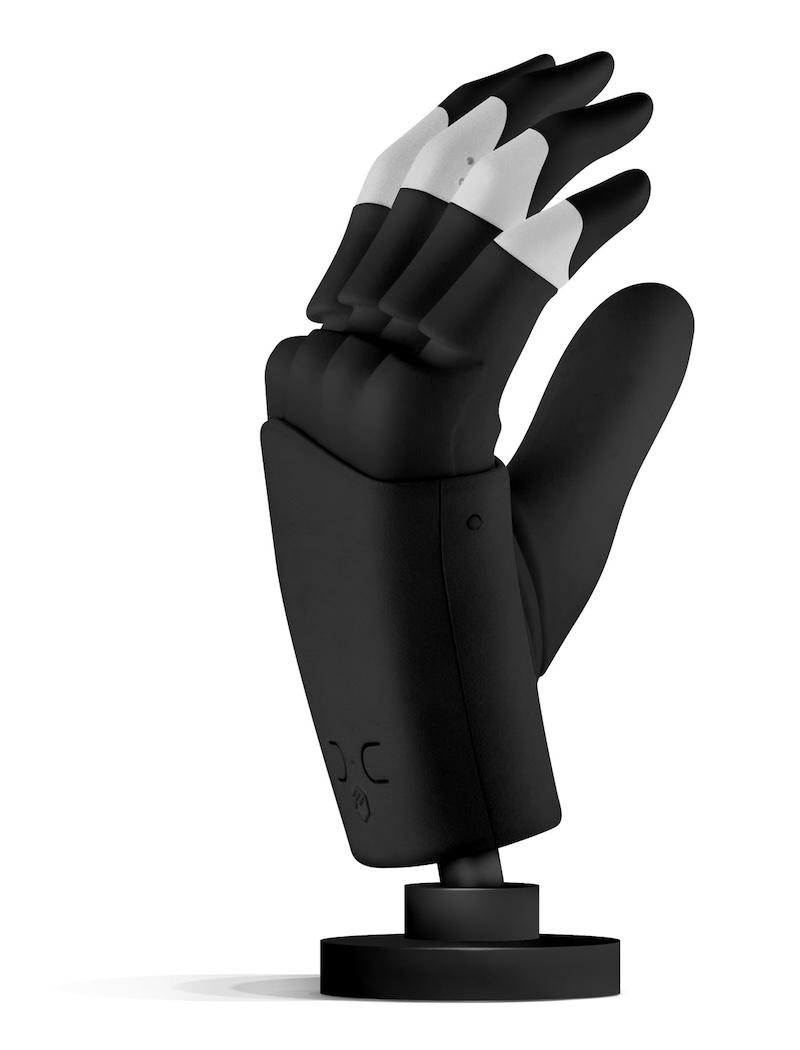
Prensilia introduced NH1 Era, a robotic hand for humanoid and cobots, at SPS 2026 in Nuremberg. It delivers up to 70 newtons of thumb fingertip force, supports multiple grasping modes, and offers ROS libraries plus ISO 9409-1-compatible or humanoid-wrist interfaces.
Why it matters
The hand is designed to let physical AI teams train manipulation skills on hardware that can then be deployed in factories, targeting high-mix, low-volume kitting and assembly where frequent tool changes are costly.
WHO IT HITSRobotics developers and physical AI teams building humanoid or collaborative robots gain a hand that can move from lab training to production without a hardware swap, while manufacturers doing high-mix, low-volume assembly may need less end-of-arm tooling changes.
Summaries like this, every morning.
Prensilia, founded in 2009 as a spin-off from the Scuola Superiore Sant'Anna in Pisa and based in Pontedera, Italy, has until now developed robotic hands for laboratory research, along with CE-marked versions for medical devices and industrial grippers. The NH1 Era extends that portfolio into industrial manipulation and humanoid robotics, a move the company frames around developers looking to translate physical AI advances into practical manufacturing applications.
The design reflects that bridge role. Underactuated fingers use mechanical intelligence to adapt to objects of different shapes and sizes, while optional force sensors supply the feedback needed to regulate grasping force. Prensilia aims to offer more versatility than traditional industrial grippers while still meeting production requirements for robustness, simplicity and cost — so teams can train and test manipulation skills on hardware that can subsequently be used in industrial operations.
The company is pointing at high-mix, low-volume manufacturing, where robots may need to handle a wide range of components without frequent changes of end-of-arm tooling, as well as machine loading and unloading, delicate component handling, and automated testing of interfaces involving buttons, touchscreens and knobs. The hand's ISO 9409-1-compatible mechanical interface or humanoid-wrist adaptation, supply voltage of up to 48 volts, RS-485 and Ethernet protocols, and ROS libraries for control and simulation are intended to simplify development across robot platforms.
Pick your industry and the AI tools you use, and get news related to your work every day.
Free · 30 seconds with Google · unsubscribe anytimeWhat is AIToday? →
Ask AI anything about this article. The AI reads this article, earlier AIToday articles, and Wikipedia, and cites its sources. Q&As are published on this page for other readers too.
Robbyant, an embodied AI company within Ant Group, released LingBot-Map 2.0, LingBot-Navi, technical reports…
Three new studies from Meta and Yann LeCun's Paris startup AMI Labs show progress on JEPA world models in robo…

Asteria signed a capital and business tie-up with Red Cliff in robot solutions, joining the Series C Final Clo…
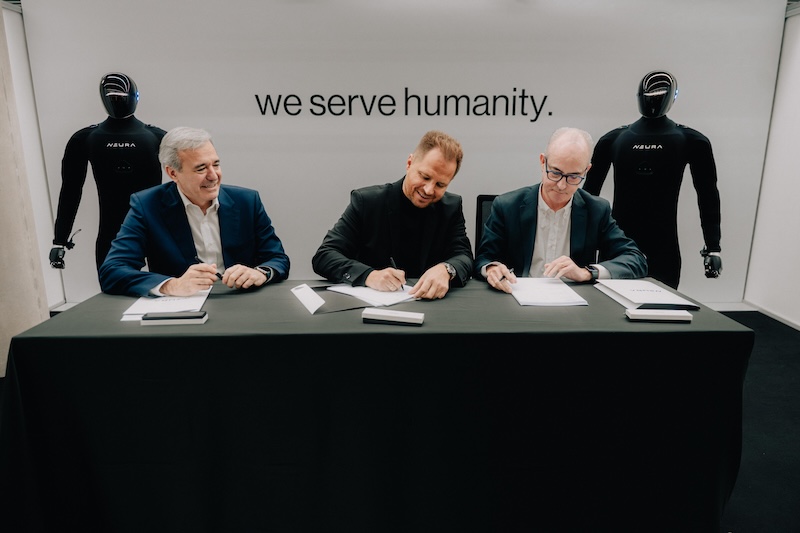
Neura Robotics, the Government of Aragón and Costa Group signed a memorandum of understanding to build Neura G…
Silicon Device will start handling e-con Systems' Darsi Pro series on November 27; it runs NVIDIA Jetson Orin…

KDDI and KDDI SmartDrone installed 8 IoT sensor cameras in the mountains of Kamisunagawa and Minamifurano, sen…