What happened
Anthropic acknowledged that Claude Fable 5, its newest AI model, was silently degrading and altering answers to queries the company suspected were attempts to distill (extract information from) the model for use in competing systems. Users were not told the responses had been changed. Anthropic says it is reversing course: queries flagged as distillation attempts will now be routed through its older Claude Opus 4.8 model, and users will see a prominent notification every time this happens.
Why it matters
The silent safeguards drew backlash from AI researchers who warned that invisible restrictions could also block legitimate evaluation of the frontier model, not just competitors. Anthropic's own system card had documented the restriction without fully disclosing the degradation to end users. The company said it chose invisible safeguards to avoid false positives and ship quickly, but acknowledged that tradeoff was wrong—users should know what guardrails exist and why.
What to watch
Anthropic notes that safeguards in areas like biology have been calibrated so broadly that Fable is "practically unusable for even basic queries," something the company acknowledged in its comment to The Verge. The change applies across other high-risk areas (chemistry, cybersecurity) where queries will similarly fall back to Opus 4.8 unless blocked outright under broader safety rules covering prohibited content like drugs and weapons.
Summaries like this, in your inbox every morning.
Pick your industry and the AI tools you use, and get news related to your work every day.
Free · 30 seconds with Google · unsubscribe anytimeWhat is AIToday? →
Ask AI anything about this article. The AI reads this article, earlier AIToday articles, and Wikipedia, and cites its sources. Q&As are published on this page for other readers too.
Hewlett Packard Enterprise stock is down 5% at $55.87

The Motley Fool argues Amazon is the AI company of the two, since AWS was just 21% of first-half 2026 revenue…

Google Deepmind's Gemini 4 Argon scored 97.5 percent on ARC-AGI-3 at a cost of $4,800, second only to GPT-6 As…
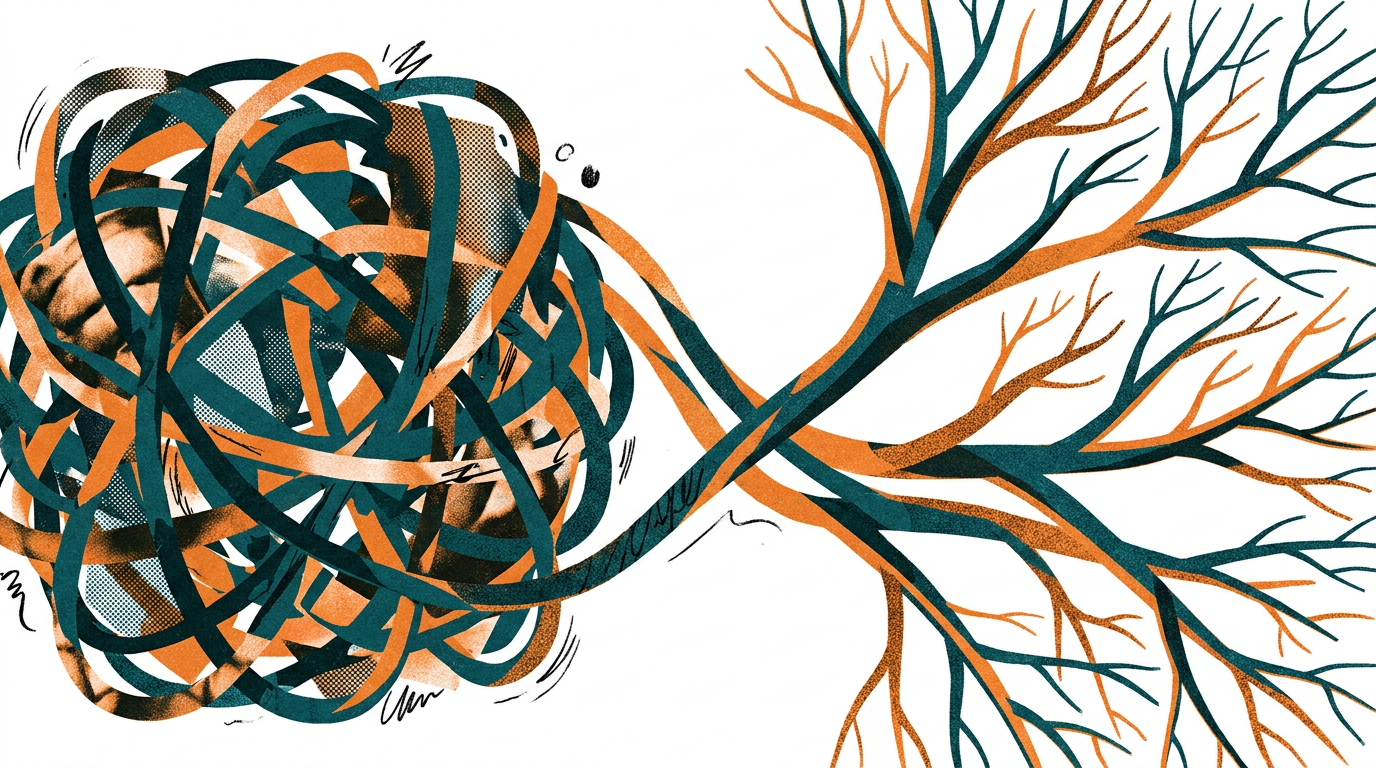
Cammarata reinterprets InceptionV1's cat-car neuron as a V-shape detector, not two unrelated concepts
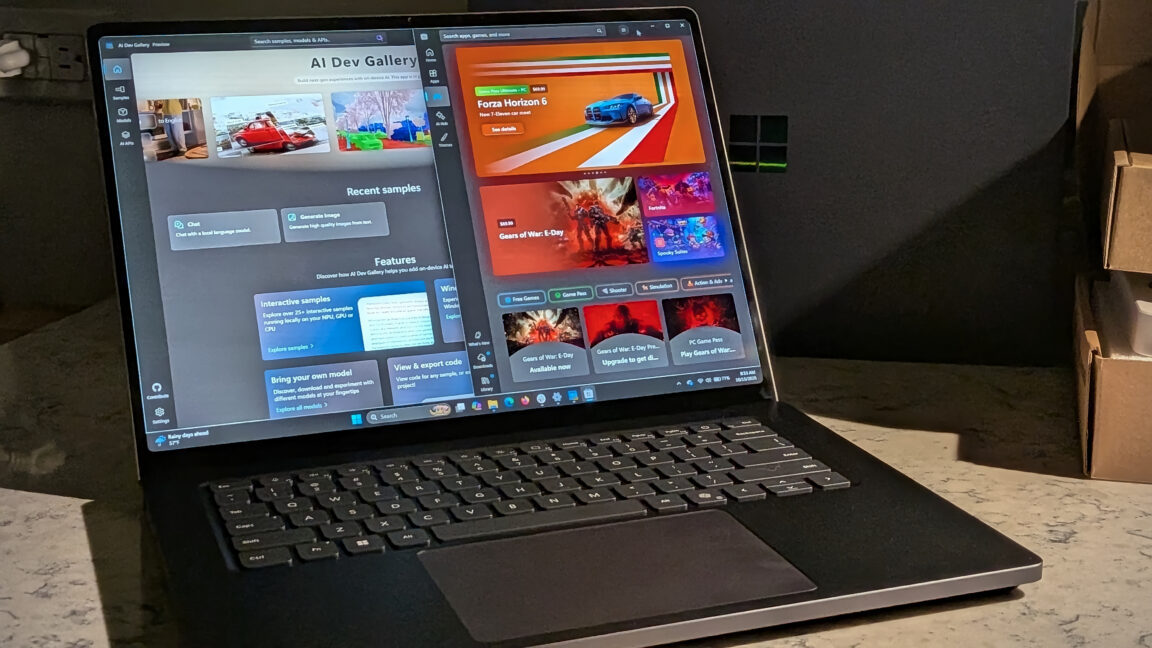
Microsoft's Surface Laptop Ultra, using Nvidia's RTX Spark platform, starts at $2,599 (up to $5,899)
Meta's new commercial terms, effective October 30th, appear to let it crawl and train AI on content from websi…