
Alphabet spent $44.9 billion(約7.2兆円) on AI infrastructure in the April–June quarter—roughly $490 million(約780億円) a day—and posted its first negative free cash flow quarter since going public in 2004, burning $5.9 billion(約9400億円). Although Google's revenue rose 24% to $119.8 billion(約19兆円) and growth has remained in double digits for 12 consecutive quarters, the company is now spending more cash than it generates and has raised its full-year spending plan by $15 billion(約2.4兆円) to between $195 billion(約31兆円) and $205 billion(約33兆円). To fund the gap, Google issued $49.6 billion(約7.9兆円) in stock and $20.3 billion(約3.2兆円) in bonds; long-term debt has jumped to $98.2 billion(約16兆円) from around $16 billion(約2.6兆円) a year ago.
Summaries like this, in your inbox every morning.
Sign up free →What happened
Alphabet spent $44.9 billion(約7.2兆円) on AI infrastructure (chips, servers, data centers) in the April–June quarter—roughly $490 million(約780億円) a day—while generating only $39.1 billion(約6.3兆円) in cash, resulting in $5.9 billion(約9400億円) negative free cash flow. This is Google's first cash-negative quarter since going public in August 2004. The company also raised its full-year spending plan by another $15 billion(約2.4兆円), to between $195 billion(約31兆円) and $205 billion(約33兆円), and signaled 2027 spending would be even higher.
Why it matters
Google's core business remains strong—revenue rose 24% to $119.8 billion(約19兆円), and growth has stayed in double digits for 12 consecutive quarters—but the company is now burning cash to fund its AI bet despite holding over $240 billion(約38兆円) in cash and investments. To fund the gap, Google sold $49.6 billion(約7.9兆円) in stock (including preferred shares at 6.25% dividend) and issued $20.3 billion(約3.2兆円) in bonds; long-term debt has climbed to $98.2 billion(約16兆円) from roughly $16 billion(約2.6兆円) a year ago. For investors, this marks a structural shift: Google is now spending more than it generates each quarter, and debt is rising sharply.
What to watch
Google's spending on AI infrastructure doubled year-over-year in Q2. Finance chief Anat Ashkenazi told analysts that 2027 spending will be "higher still" than the new $195–$205 billion(約33兆円) annual target, signaling continued acceleration. The stock fell 4.24% in after-hours trading when the increased spending plan was announced, despite revenue beating Wall Street estimates.
For 22 consecutive years since August 2004, Alphabet generated more cash than it spent every single quarter. That streak ended between April and June 2024. The company spent $44.9 billion(約7.2兆円) on AI infrastructure—chips, servers, and data centers—during those three months, an average of $490 million(約780億円) a day. Operating cash flow during the same stretch totaled $39.1 billion(約6.3兆円), leaving a $5.9 billion(約9400億円) shortfall. This is Google's first quarter of negative free cash flow since going public.
The underlying business, however, remained strong. Alphabet's revenue rose 24% year-over-year to $119.8 billion(約19兆円), and the company has now delivered double-digit growth for 12 consecutive quarters without interruption. Search and other revenue grew 17% to $63.3 billion(約10兆円). YouTube advertising rose 13%, buoyed by 1.7 billion people who watched World Cup videos on the platform. Google Cloud posted the strongest growth: revenue jumped 82% to $24.8 billion(約4兆円), operating profit climbed from $2.8 billion(約4500億円) to $8.8 billion(約1.4兆円) year-over-year, and the backlog of signed-but-not-yet-billed work reached $514 billion(約82兆円).
Despite these strong topline results, reported earnings per share came to $9.11—but the company disclosed that $6.26 of that figure came from a $99 billion(約16兆円) paper gain on stock holdings. Stripped of that one-time gain, earnings landed near $2.85 a share, roughly in line with analyst expectations of $2.88. The true beat was in revenue, not profit; such paper gains can reverse in subsequent quarters.
On the earnings call, finance chief Anat Ashkenazi announced a significant increase in the company's spending trajectory. Google raised its full-year capex plan by $15 billion(約2.4兆円), to a range of $195 billion(約31兆円) to $205 billion(約33兆円)—up from prior guidance of $180 billion(約29兆円) to $190 billion(約30兆円). Ashkenazi also signaled that 2027 spending would be "higher still." The Q2 capex of $44.9 billion(約7.2兆円) represented a doubling compared to the same quarter a year earlier, underscoring the accelerating pace of AI infrastructure investment.
To fund this spending and maintain balance-sheet flexibility, Alphabet tapped capital markets. In June, the company sold $49.6 billion(約7.9兆円) in stock, including preferred shares bearing a 6.25% dividend. It also issued $20.3 billion(約3.2兆円) in bonds. Long-term debt has climbed sharply to $98.2 billion(約16兆円) from approximately $16 billion(約2.6兆円) a year ago. Despite holding more than $240 billion(約38兆円) in cash and investments, Google felt compelled to raise outside capital—a signal that management expects sustained, elevated capex demands ahead. The stock market reacted negatively: GOOGL fell 4.24% in after-hours trading as soon as Ashkenazi disclosed the upward spending revision, despite the quarter's revenue beat.
Google's pivot to heavy AI spending marks a departure from two decades of consistent cash generation. The company spent $44.9 billion(約7.2兆円) on AI infrastructure in Q2 alone—double what it spent a year earlier—a level the business simply cannot sustain from operating cash alone. Although Alphabet generated $39.1 billion(約6.3兆円) in free cash, it fell $5.9 billion(約9400億円) short of its capex needs, breaking a 22-year streak of positive free cash flow since August 2004.
The business fundamentals themselves remain robust. Revenue climbed 24% to $119.8 billion(約19兆円); search and other products grew 17% to $63.3 billion(約10兆円); YouTube ads rose 13% boosted by 1.7 billion viewers of World Cup videos; and Google Cloud—the fastest-growing segment—jumped 82% to $24.8 billion(約4兆円) in revenue with operating profit surging from $2.8 billion(約4500億円) to $8.8 billion(約1.4兆円) year-over-year. Yet those earnings gains are being outpaced by capital expenditure. The company now plans to spend between $195 billion(約31兆円) and $205 billion(約33兆円) in full-year capex, up from a prior guidance of $180–$190 billion(約30兆円), and has signaled that 2027 will be even higher still.
To bridge the gap, Google is tapping capital markets aggressively. It raised $49.6 billion(約7.9兆円) in stock sales and $20.3 billion(約3.2兆円) in bond issuance in June alone. Long-term debt has surged to $98.2 billion(約16兆円) from approximately $16 billion(約2.6兆円) a year prior—a sixfold increase. For shareholders, the stock fell 4.24% in after-hours trading when the increased spending guidance was announced, suggesting the market is pricing in a sustained period of negative free cash flow and rising leverage as Google races to build AI infrastructure capacity.
AI-summarized, only the topics you pick — one digest a day via Email, Slack, or Discord.
Free · takes 30 seconds · unsubscribe anytime
No comments yet. Be the first to share your thoughts!
Log in to join the discussion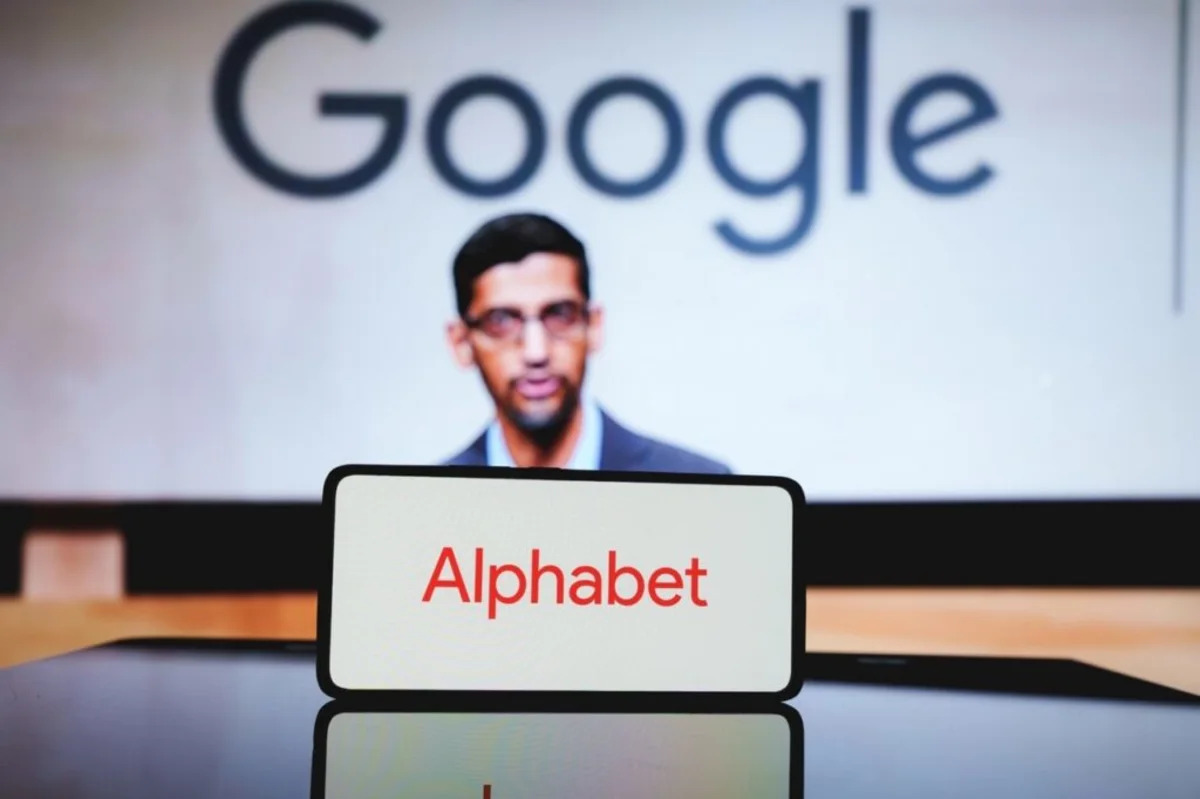


Get curated AI news from 200+ sources delivered daily to your inbox. Free to use.
Get Started FreeFree · takes 30 seconds · unsubscribe anytime
