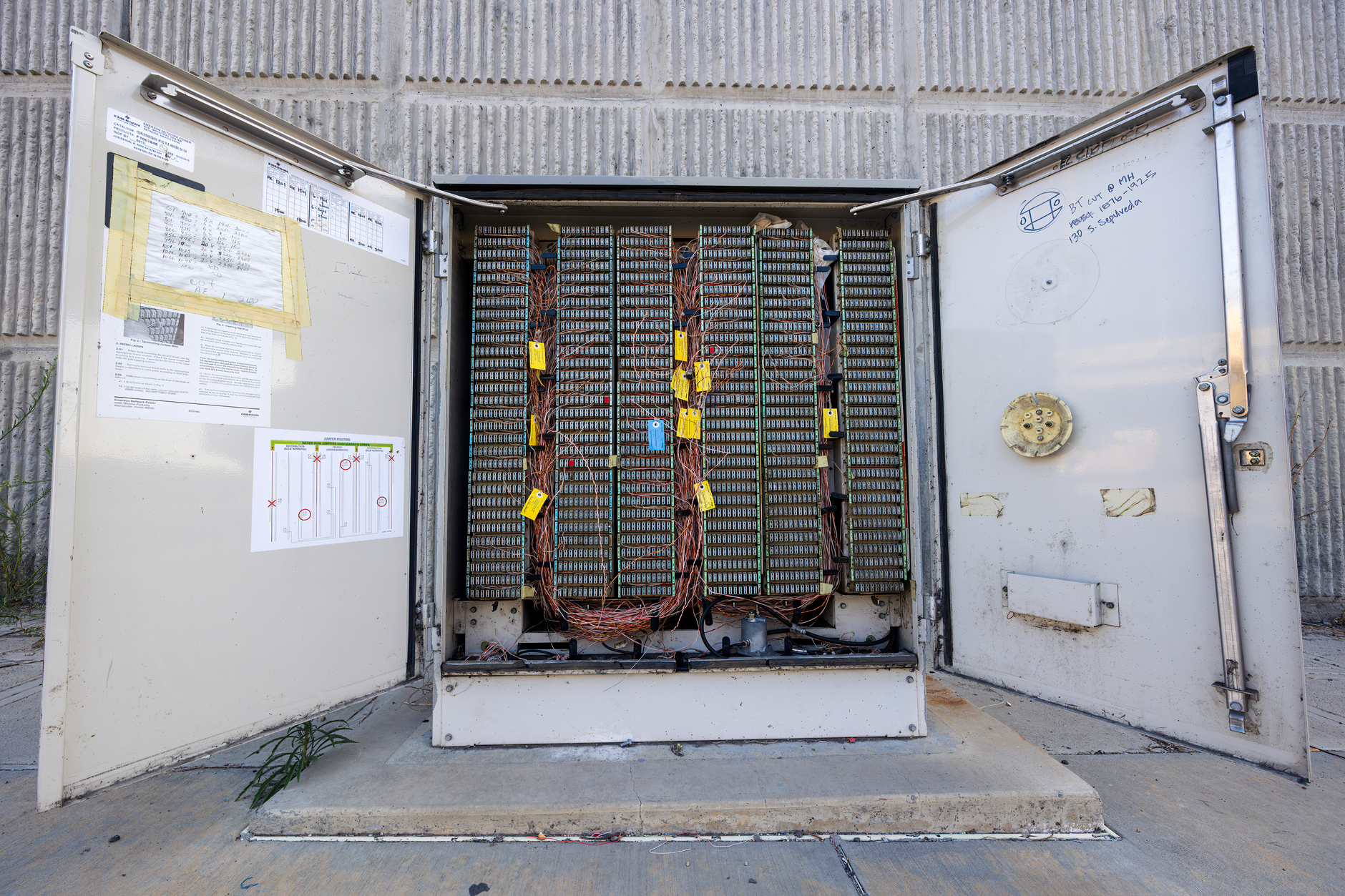
Corning has won multi-year supply deals with Meta and Zayo for optical fiber supporting AI data centers and networks.
The contracts align with its plan to add $4 billion in annual sales by 2026 via optical communications.
Key uncertainty is whether Corning can deliver earnings growth without capacity or competitive pressures.
What happened
Corning has secured multi-year, multi-billion-dollar supply agreements with Meta for high-capacity optical connectivity in AI data centers and with Zayo for optical fiber supporting large-scale US network deployments tied to AI traffic.
Why it matters
These contracts represent a shift for Corning beyond its traditional glass business into critical AI infrastructure supply. The deals align with Corning's Springboard plan, which aims to add more than $4 billion in annualized sales by 2026 driven by Optical Communications demand, supporting the narrative that AI-driven fiber demand will lift revenue and margins.
What to watch
Execution risk remains unresolved—whether Corning can convert these headline contracts into earnings gains without hitting capacity, pricing, or policy constraints. The company faces competitive pressure from optical suppliers such as Lumen and Nokia, and heavy reliance on sustained secular AI trends.
Ask the AI about this article →
Corning's optical communications business has long been positioned as a secular growth driver, but these Meta and Zayo agreements represent a decisive test of that thesis. The company's Springboard plan explicitly targets $4 billion in annualized sales additions by 2026 through Optical Communications growth, and long-duration supply commitments to two major players in AI infrastructure—one in data center buildout, one in network deployment—suggest that demand trajectory is materializing. The body notes that these deals sit squarely within Corning's bet that AI-driven fiber demand supports higher sales and margins.
However, the body also flags that these contracts do not settle material concerns: execution risk in scaling production, concentration of revenue into a few secular trends (AI infrastructure buildout), and competitive pressure from established optical fiber suppliers like Lumen and Nokia. The article frames the core unresolved question as whether Corning can convert headline contracts into earnings that justify its valuation without running into capacity constraints, pricing pressure, or policy shifts that could affect US manufacturing incentives.
AI-summarized, only the topics you pick — one digest a day via Email, Slack, or Discord.
Free · takes 30 seconds · unsubscribe anytime
Ask AI anything about this article. Q&As are published on this page for other readers too.
ABC News will air an exclusive interview with Texas Governor Greg Abbott on Sunday, August 23, 2026, on the pr…

Western Digital has returned 530.0% over the past year and 14.6x over three years, yet trades on a P/E multipl…
Palo Alto Networks' Unit 42 expanded its Frontier AI Exposure Analysis service by integrating Anthropic's Clau…

SpaceXAI released Grok 4.6—its latest flagship model—on Google Cloud's Vertex AI platform on August 21, 2026…

Eric Schadt, a computational biology expert and former chief scientist at Pathos AI, is departing that role to…

T-Mobile severed a cable connection to stop hackers, and GitHub publicly denied that artificial intelligence w…