A research team created a machine-learning system that automatically removes unnecessary data from graphs (map structures) that robots build while exploring unknown spaces. The system reduced graph size by up to 96% compared to standard methods, while keeping exploration performance stable.
Summaries like this, in your inbox every morning.
Pick your industry and the AI tools you use, and get news related to your work every day.
Free · 30 seconds with Google · unsubscribe anytimeWhat is AIToday? →
Ask AI anything about this article. The AI reads this article, earlier AIToday articles, and Wikipedia, and cites its sources. Q&As are published on this page for other readers too.
Setagaya Ward tested Genspark, an AI agent tool, and cut roughly 2,900 hours of work, according to Sho Miyama…

LegalOn Technologies began offering a beta of its "Agent Builder" feature on October 19, which automates a ser…

OpenAI launched ChatGPT Slides, which builds decks from chats, files or outlines and can mimic the design of a…

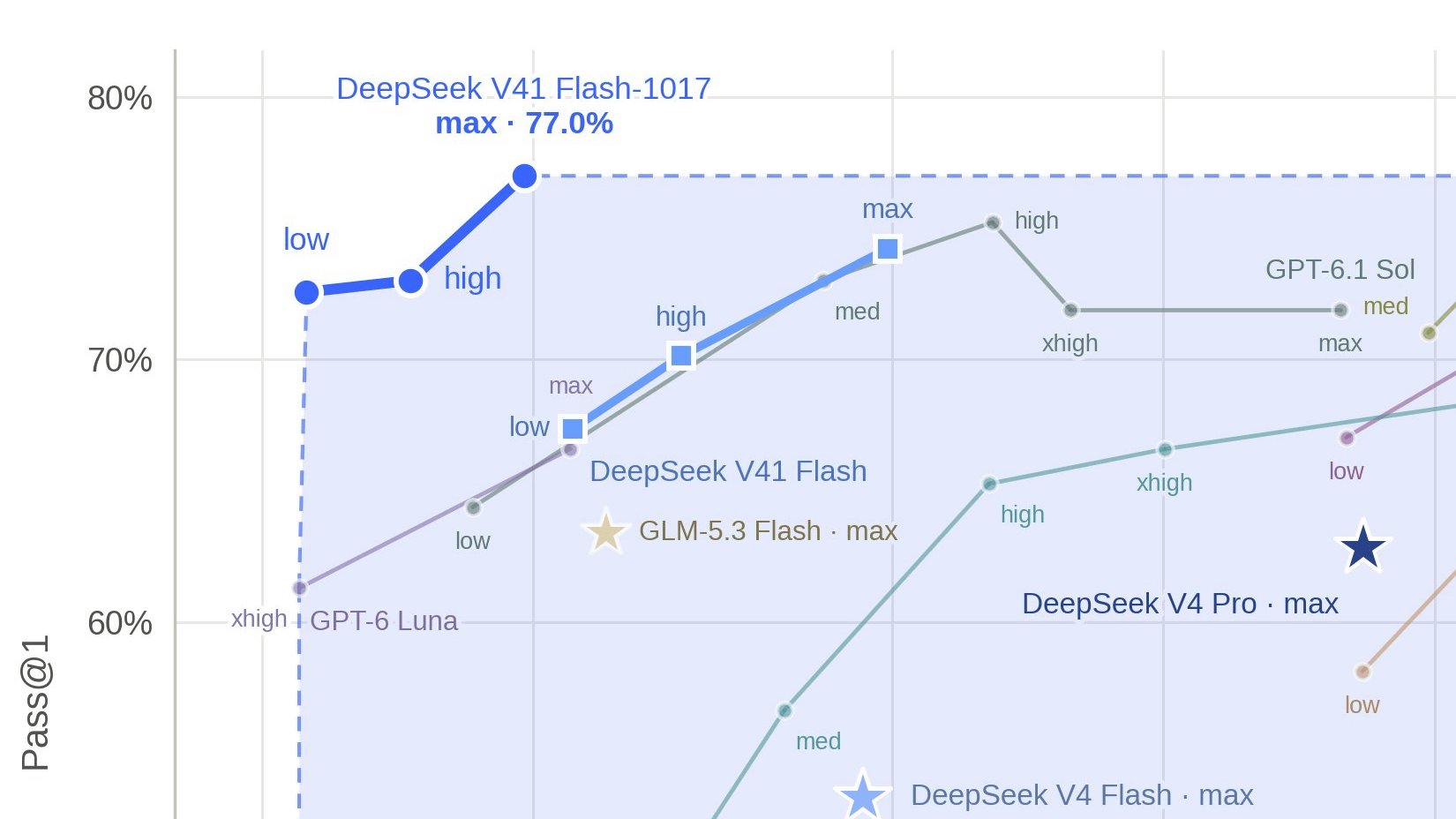
DeepSeek published DeepSeek-V4.1-Flash-1017 on October 17, 2026 as a free, MIT-licensed open model that scored…
DeepSeek released Search and Fetch APIs on October 17, 2026, with each endpoint priced at $0.75 per 1,000 call…

DeepSeek released DeepSeek-V4.1-Flash-1017, a “minor update” that reduces task execution time and output lengt…