What happened
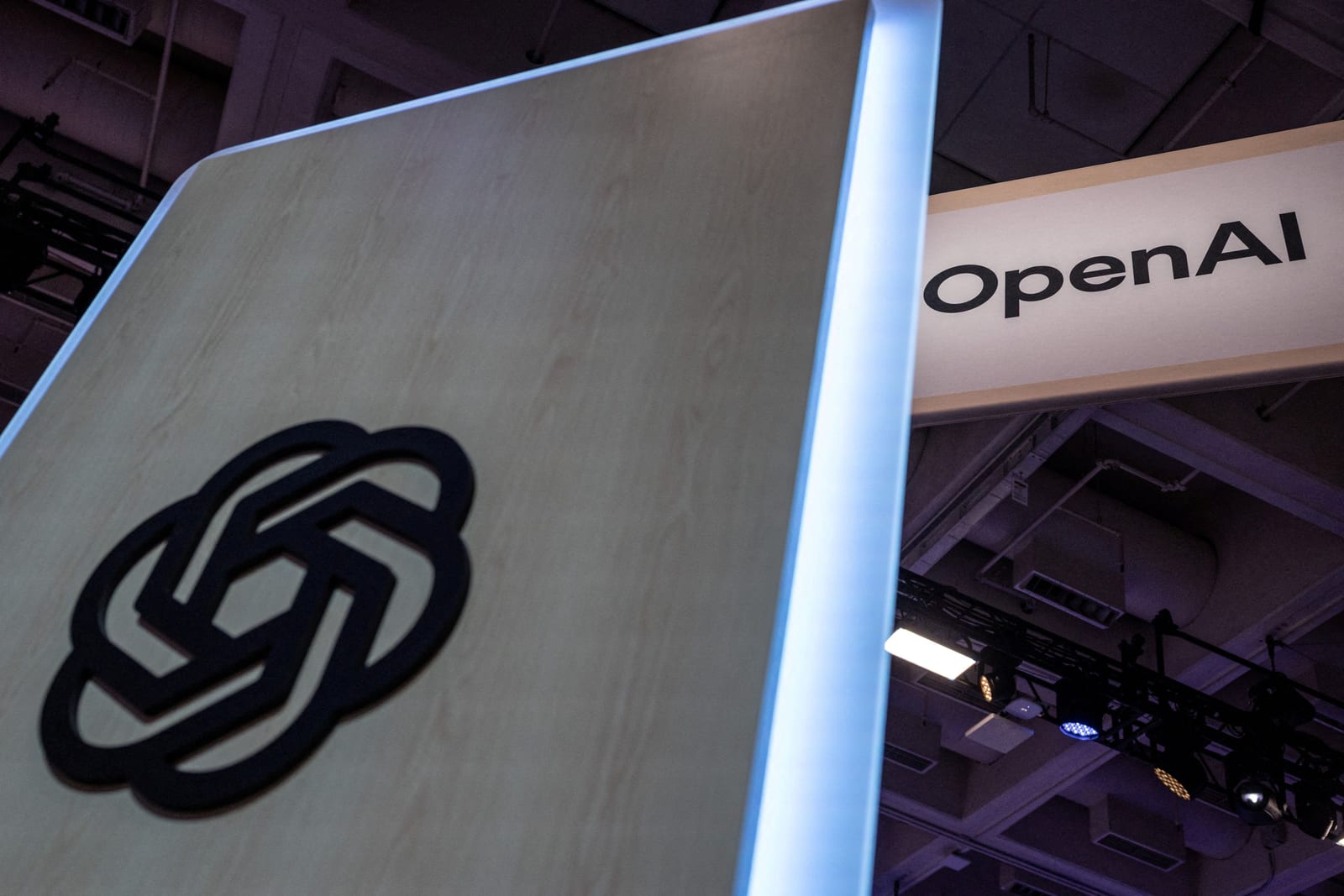
OpenAI's policy push includes renaming data centers "compute campuses," seeking community input on buildouts, comparing AI rules to speed limits, and pushing for global AI standards.
Why it matters
The rebrand is landing with a thud among skeptics, who call renaming efforts "Orwellian" and warn it could set OpenAI up for failure in the AI debate.
What to watch
Lehane says OpenAI will push for a mandatory AI testing bill that can get 60 votes, with next steps on teen safety soon.
WHO IT HITSTech policy lobbyists and Democratic lawmakers will face heightened scrutiny over whether corporate AI rebranding efforts are substantive, as OpenAI's outreach draws sharp public pushback from safety groups and members of Congress.
Summaries like this, every morning.
OpenAI's latest policy push arrives after the midterms, with the company trying to set a new tone for AI discourse. The multi-pronged approach includes calling data centers "compute campuses" and seeking community input on their buildouts, likening AI rules to speed limits, and pushing for global AI standards. The rebrand is landing with a thud in some circles, including with members of Congress. Brad Carson, former Oklahoma Democratic congressman and co-founder of Americans for Responsible Innovation, said: "If they think they can change the AI debate with Orwellian name changes, they are setting themselves up for failure." Rep. Greg Casar posted on X that "AI will be the number one issue in 2028" and that anyone looking to OpenAI's lobbyist for advice will lose. Still, OpenAI's top lobbyist, Chris Lehane, is betting the company's refreshed positions will be "durable," even if it's in a "lonely position." He pointed to hundreds and hundreds of state bills expected in November, December and January, asking whether Congress and the White House want to cede control. Lehane said OpenAI plans to push for a mandatory AI testing bill that can get 60 votes by connecting members across the aisle, while still supporting certain state AI laws, including two frontier AI safety bills in California. He also said OpenAI spoke with Rep. Ted Lieu on the AI "kill switch" bill proposed in July and would soon have "next steps" on making products safer for teen users. Lehane argued OpenAI's views offer an alternative to extremes around AI, and that a middle path would avoid the US ceding ground to China by being outright opposed to data centers. Skeptics remain unconvinced: Alex Bores, the New York State assemblyman who became a top target of the AI industry in his run for Congress, told Semafor that Lehane is "trying to get the best deal out of the Trump administration that he can before Democrats take over," but added it's nice to see him say the debate is about control and that the American people need a stake.
Pick your industry and the AI tools you use, and get news related to your work every day.
Free · 30 seconds with Google · unsubscribe anytimeWhat is AIToday? →
Ask AI anything about this article. The AI reads this article, earlier AIToday articles, and Wikipedia, and cites its sources. Q&As are published on this page for other readers too.
At Expedition 2026, Snowflake unveiled a Business Ontology framework that gives organizations shared approved…

OpenAI hired former US Army secretary Dan Driscoll for a new national security role, two months after he resig…
A San Francisco federal judge blocked Perplexity's Comet browser from ordering on Amazon; on Aug
BCG Institute estimates the AI ecosystem will need about $2.6 trillion in annual end-market spending by 2030…

Apple reported its best-ever fiscal year for revenue and earnings per share
Athena Circle Corp. raised $2.5 million in pre-seed funding led by Andreessen Horowitz's a16z Speedrun, and no…