What happened
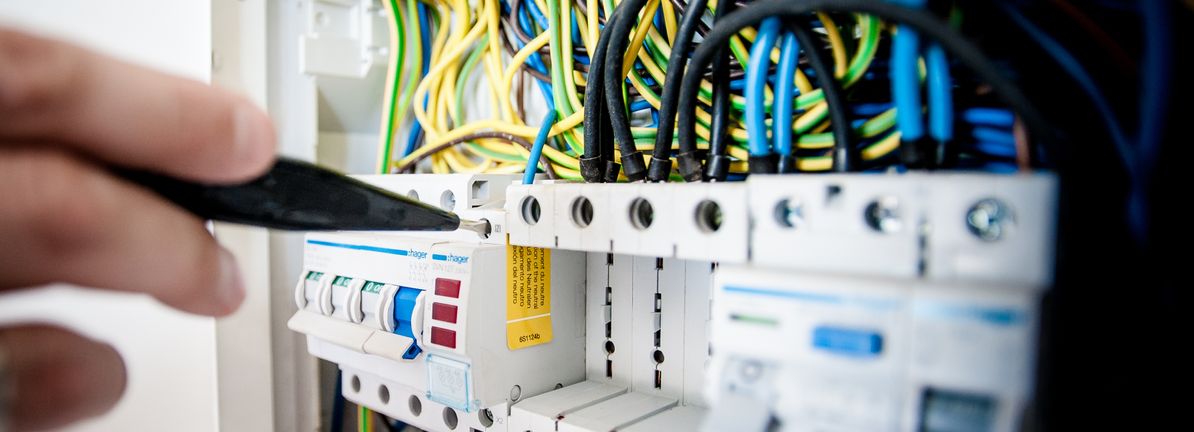
Vertiv Holdings Co acquired Strategic Thermal Labs and committed to doubling chiller production capacity at its Tognana campus in Italy, while also building a large-scale AI workload testing lab. These moves deepen the company's engineering capability in high-density liquid cooling for power-hungry AI data centers.
Why it matters
Vertiv's investment thesis rests on AI-driven, high-density data centers requiring specialized cooling and power infrastructure, and the company's ability to scale while protecting margins. The expansion directly supports that belief, though it also raises execution risk around integrating new technology, ramping new facilities, and potential cost overruns. The company's narrative projects $22.2 billion(約3.6兆円) revenue and $4.2 billion(約6700億円) earnings by 2029, requiring 27.0% yearly revenue growth and a $2.6 billion(約4200億円) earnings increase from $1.6 billion(約2600億円) today.
What to watch
The moves tie into near-term catalysts of growing AI data center demand and complex liquid cooling requirements, but investors should monitor supply chain reconfiguration, EMEA execution, and the risk that large cloud customers could eventually bring more cooling and power solutions in-house. Some analysts were already cautious, assuming Vertiv might need to earn about US$4.1 billion(約6600億円) by 2029 to justify a lower price target.
Summaries like this, in your inbox every morning.
Vertiv's bull case has always hinged on a straightforward premise: as AI data centers grow and pack more compute into smaller physical spaces, they will need advanced cooling and power infrastructure that specialized vendors can supply better and more cost-effectively than the cloud giants can build themselves. The acquisition of Strategic Thermal Labs and the commitment to double chiller capacity at Tognana directly reinforce that thesis by expanding the company's engineering depth and production footprint in liquid cooling—the technology most suited to high-density AI workloads.
However, this expansion also introduces material execution risk. The company must successfully integrate new acquired technology, ramp new manufacturing facilities on schedule, and avoid cost overruns while maintaining the margin discipline that underpins its financial projections. The narrative assumes $22.2 billion(約3.6兆円) revenue and $4.2 billion(約6700億円) earnings by 2029, a path that requires 27.0% yearly revenue growth and nearly a $2.6 billion(約4200億円) increase in earnings from the current $1.6 billion(約2600億円). Some analysts already assume a lower Vertiv earnings target of about US$4.1 billion(約6600億円) by 2029, suggesting divergence in how much execution risk the market should price into the stock. The outcome will hinge on whether Vertiv can keep costs controlled, prevent supply chain disruptions, and maintain its position as a preferred vendor rather than face make-or-buy pressure from hyperscalers.
For example, today's edition would include:
AI-summarized, only the topics you pick — one digest a day via Email, Slack, or Discord.
Free · 30 seconds with Google · unsubscribe anytimeWhat is AIToday? →
Ask AI anything about this article. Q&As are published on this page for other readers too.
At Tokyo Game Show 2026, HEROZ pitched AI adoption support to mid-size and small game firms, while Zeal showed…
A contributor compared Aehr Test Systems and Super Micro Computer and picked Super Micro, whose FY 2026 revenu…
Supply chain players say most AI data center cost models in China and the West count only electricity consumpt…
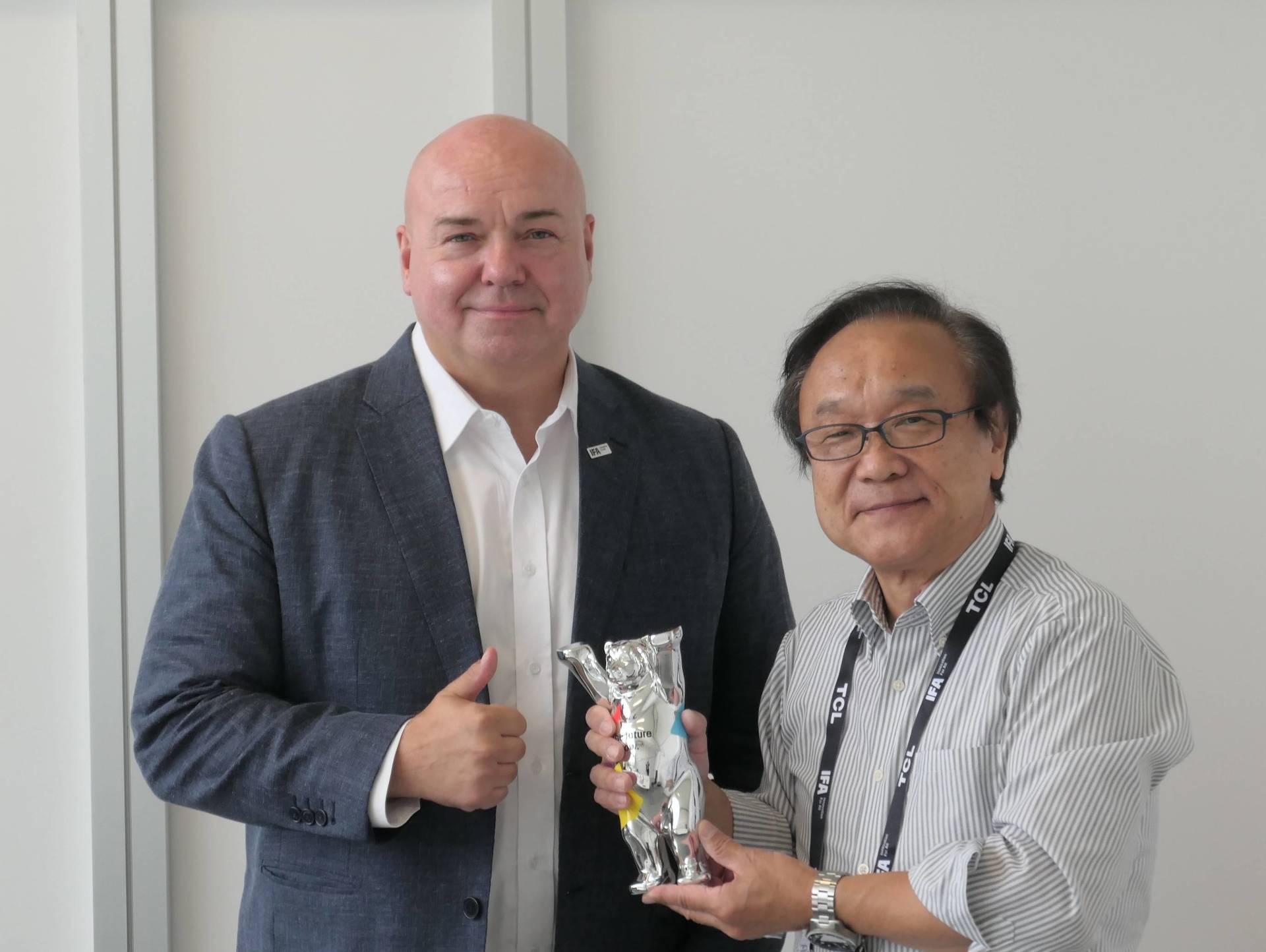
At IFA 2025 in Berlin, IFA Management CEO Leif Lindtner said Samsung Electronics left the fair after its leade…
Cocopelli introduced SAF, a generative-AI tool that searches internal rules, manuals and product materials and…

On September 17, 2026, KnowledgeSense added a function to ChatSense's Notebook that automatically gives AI-gen…