What happened
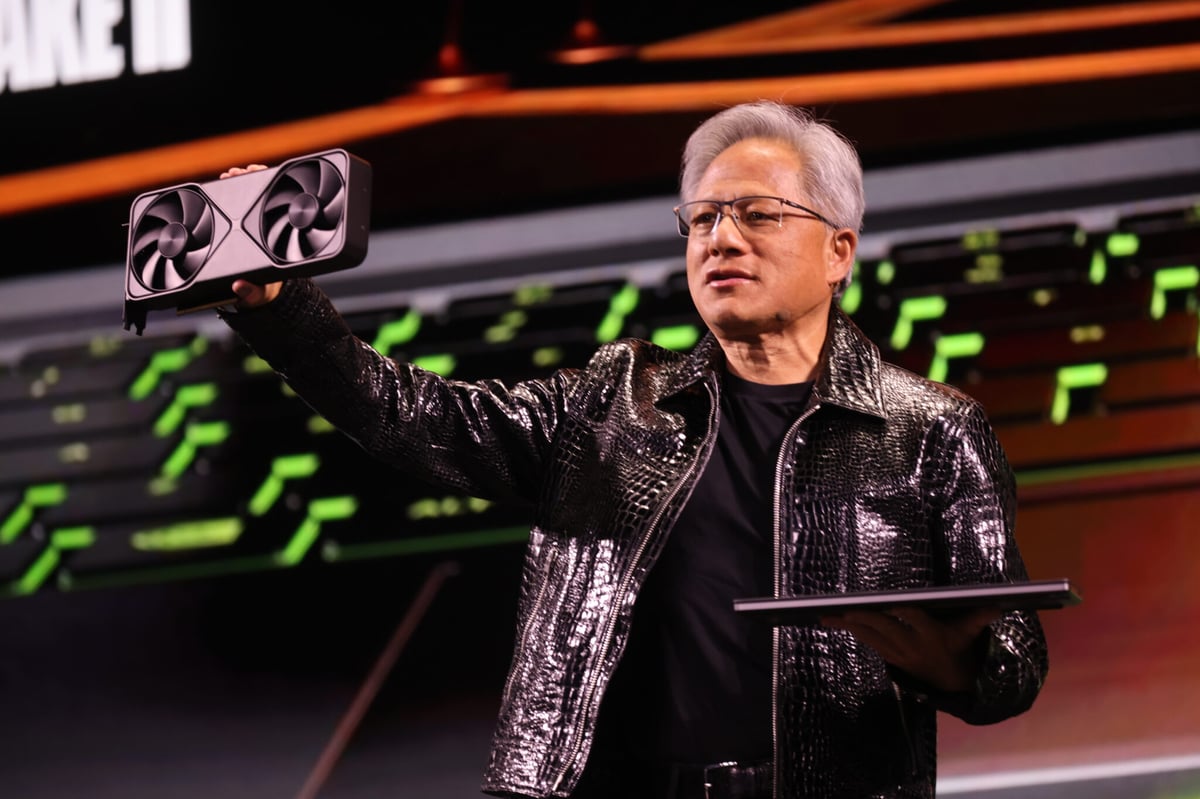
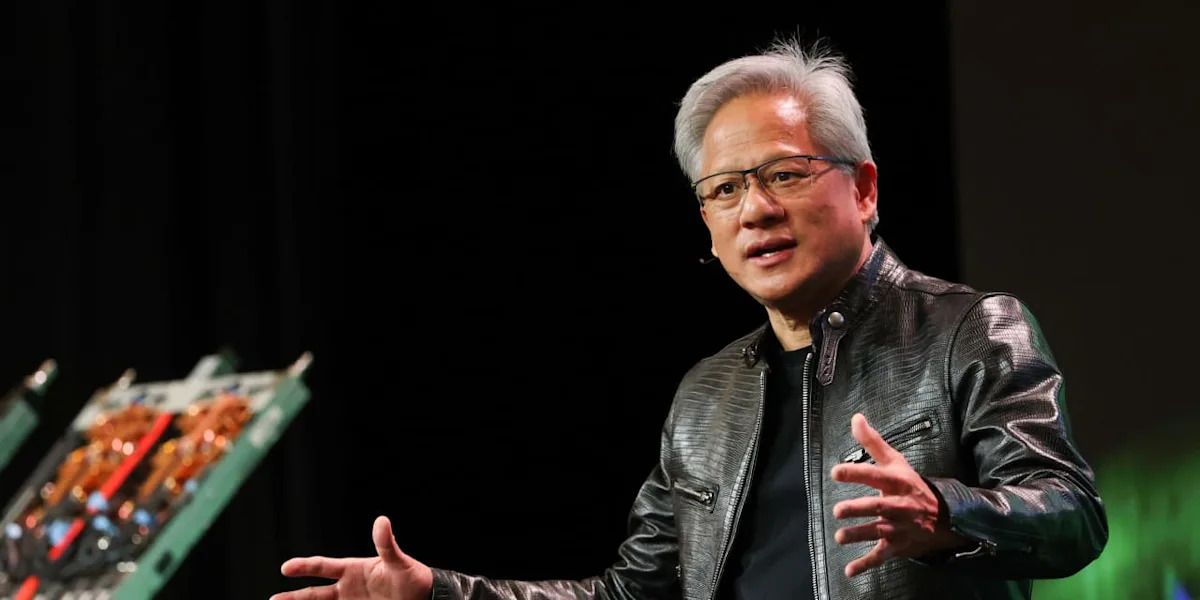
Nvidia CEO Jensen Huang told Axios that he does not expect a semiconductor bust soon, arguing that the current chip boom is driven by AI infrastructure demand—comparable to energy, the internet, roads, and railroads—rather than consumer cycles. He believes the semiconductor industry needs to be between five and 10 times larger than it is today.
Why it matters
Huang's remarks signal confidence in sustained demand from hyperscalers (large cloud providers) building AI data centers, which could support continued strong earnings for chipmakers like Nvidia and Intel. The claim rests on a fundamental shift: AI is a new infrastructure layer requiring long-term chip investment, not a cyclical consumer trend prone to boom-and-bust swings that have historically lasted about four years.
What to watch
Monitor whether hyperscalers maintain or raise capital spending and whether chipmaker earnings continue to rise—both would validate Huang's thesis that the semiconductor industry remains in an early boom phase, not a late one. Alphabet's free cash flow turned negative for the first time in Q2 2026 due to $44.9 billion in capital expenditures, illustrating the scale of AI data-center investment.
Summaries like this, in your inbox every morning.
The semiconductor industry has long been defined by cyclical swings, with booms and busts typically spanning about four years. Huang's argument that the current cycle is different hinges on a structural claim: AI infrastructure investment is comparable to foundational industries like energy and transportation, creating sustained demand that transcends traditional consumer-driven volatility. Recent earnings data lend credibility to this framing—Nvidia's consistent guidance raises and Intel's best revenue growth in 15 years both point to robust underlying demand.
However, skepticism is warranted. Huang, as Nvidia's CEO, has a direct financial incentive to project durability and growth in chip demand. Hyperscalers are indeed spending hundreds of billions on data-center capital expenditures: Alphabet alone spent $44.9 billion in capex during Q2 2026, which drove its free cash flow negative for the first time. The sustainability of this spending level remains an open question for investors. The coming quarters' earnings releases from both hyperscalers and chipmakers will be the key test—if they maintain or raise capex while chipmaker earnings continue climbing, Huang's early-cycle thesis gains credibility; if capex slows or earnings falter, historical boom-bust patterns may reassert themselves.
Pick your industry and the AI tools you use, and get news related to your work every day.
Free · 30 seconds with Google · unsubscribe anytimeWhat is AIToday? →
Ask AI anything about this article. The AI reads this article, earlier AIToday articles, and Wikipedia, and cites its sources. Q&As are published on this page for other readers too.
CoreWeave fell 5% in premarket trading Friday and was on track to finish the week down 15%, after rebounding f…
A longtime Anthropic investor told Fortune he expects shares priced around $1.8 trillion, below the company's…

In Q2, billionaires or their funds sold six 'Magnificent Seven' AI stocks
Nvidia was rising early Friday, even as the wider chip sector kept falling, Barron's reported
TSMC reported about NT$763.1b in Q3 net profit and confirmed that demand for advanced processors is running ah…

Nvidia-backed CoreWeave steadied Thursday after a sharp slump, as investors worried about the debt financing b…