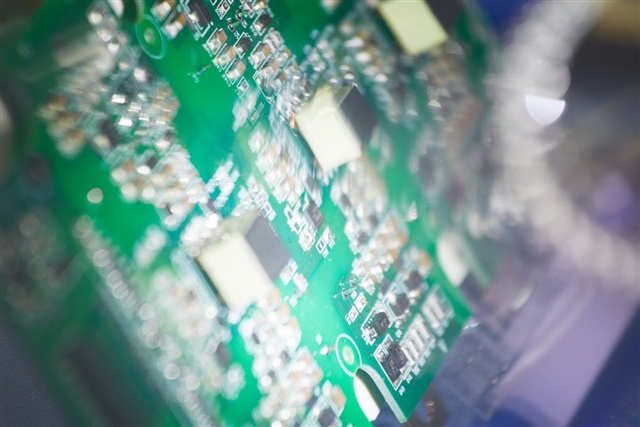
Major international chip designers including Texas Instruments and STMicroelectronics are refocusing on AI data-center demand while the industry adopts higher-voltage power architectures (400V and 800V). This architectural shift is extending the lifespan of power-semiconductor growth, benefiting Taiwan suppliers who dominate this segment and creating new margin opportunities for established chip makers entering AI infrastructure.
Summaries like this, in your inbox every morning.
Sign up free →What happened
International chip designers Texas Instruments and STMicroelectronics are targeting AI data-center demand, while the market is shifting toward 400V and 800V power architectures — a move that extends the growth window for power semiconductors.
Why it matters
Power semiconductors are critical infrastructure for data centers; the architectural shift toward higher voltages creates sustained demand that benefits Taiwan-based suppliers who specialize in these components. This represents a new margin opportunity for established chip makers moving into AI infrastructure.
What to watch
The 400V and 800V power architecture adoption will determine how long the power-semiconductor growth cycle lasts; industry sources indicate this transition is already underway.
Texas Instruments, STMicroelectronics, and other international integrated device manufacturers (IDMs) are shifting their strategic focus toward serving AI data-center customers, according to industry sources. Alongside this pivot, the broader semiconductor market is undergoing an architectural transition toward 400V and 800V power systems — a change that extends the growth cycle for power semiconductors beyond what would be possible under legacy voltage standards. This longer runway creates sustained demand for specialized power-management chips that convert, regulate, and distribute electrical power within data centers. Taiwan-based suppliers, which dominate the power-semiconductor manufacturing sector, stand to benefit from this extended growth window, while international IDMs moving into this segment gain access to higher-margin product categories within the AI infrastructure stack.
The pivot by established international chip designers toward AI data-center infrastructure signals a strategic realignment in the semiconductor industry. Rather than competing directly in the generalist processor space, companies like Texas Instruments and STMicroelectronics are focusing on the foundational power-management layer that AI infrastructure depends on — a segment where margins appear more defensible. The simultaneous industry-wide shift to higher-voltage architectures (400V and 800V) extends the timeline over which power semiconductors remain a growth category, rather than a mature commodity. This dynamic particularly benefits Taiwan's power-semiconductor suppliers, who have established manufacturing expertise and supply chains in this domain, and creates a sustained tailwind for their customers among the international IDM base.
AI-summarized, only the topics you pick — one digest a day via Email, Slack, or Discord.
Free · takes 30 seconds · unsubscribe anytime
No comments yet. Be the first to share your thoughts!
Log in to join the discussion




Get curated AI news from 200+ sources delivered daily to your inbox. Free to use.
Get Started FreeFree · takes 30 seconds · unsubscribe anytime
