What happened
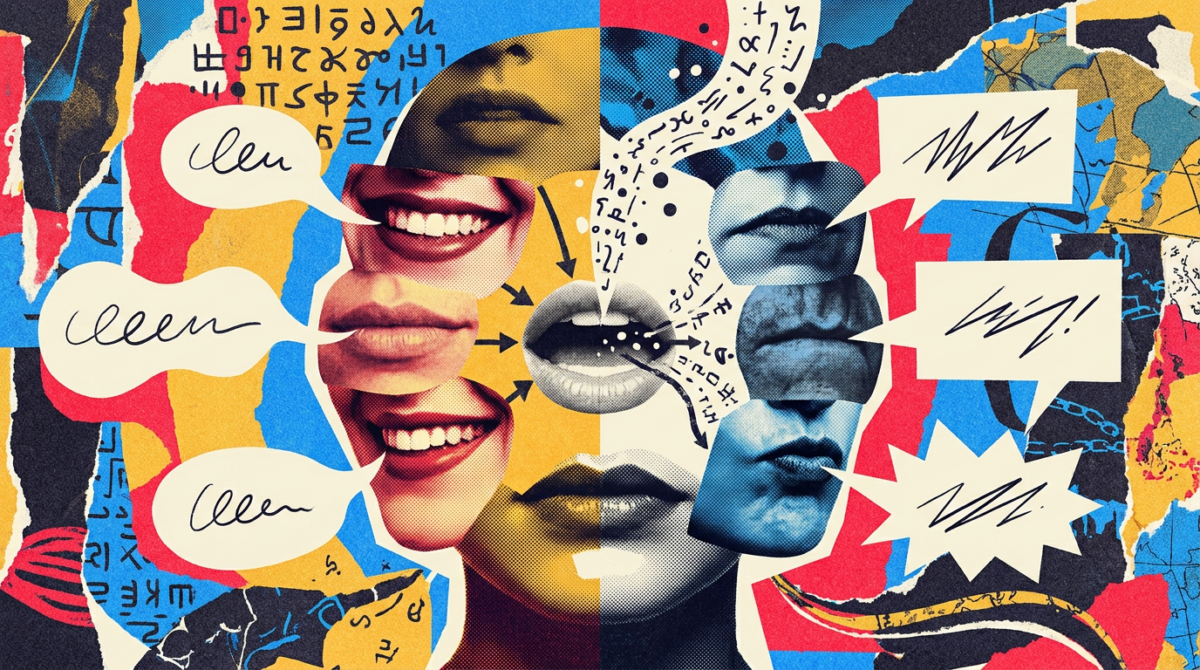
Anthropic analyzed 309,815 conversations from May 2026 across Claude models (Sonnet 4.6, Opus 4.6, Opus 4.7) and 20 languages, mapping value concepts onto four dimensions: Deference and Caution, Warmth and Rigor, Depth and Brevity, and Candor and Execution. The study found that Claude expresses the most warmth in Hindi and Arabic, while English and Russian responses emphasize rigor—questioning assumptions and correcting details.
Why it matters
Two users asking Claude the same question in different languages receive systematically different answers, from tone to advice style. Anthropic attributes this to uneven training data, differences in data composition, and language-specific conversational norms—meaning the model's behavior may reflect training artifacts rather than intentional design. For businesses relying on Claude across regions, this reveals hidden variation in how the model responds.
What to watch
The four axes account for only about 15 percent of variation in responses after statistical controls, and Claude Sonnet 4.6 itself assigned the value labels being studied—raising questions about methodological independence. Anthropic verified the method through manual review and tested 800 translated conversations but acknowledges that language-dependent biases may remain, and whether these differences represent desirable adaptation or unintended effects is still open.
Summaries like this, in your inbox every morning.
Anthropic's study builds on earlier research (Values in the Wild) that identified 3,307 value terms, which the company then grouped into 339 higher-level values before using statistical dimensionality reduction to isolate four core axes. By statistically controlling for task type, subject matter, and user-introduced values, Anthropic attempted to separate model behavior from confounding factors—a methodologically sound move that isolates genuine systematic differences. However, the four axes explain only about 15 percent of remaining variation, suggesting that either Claude's behavior is shaped by many other hidden dimensions or that the current framing captures only part of what drives response differences.
The language findings point to a concrete practical issue: training data imbalance and composition differences appear to drive how Claude behaves across languages. Anthropic cites uneven training data, differences in data composition, overrepresentation of certain text types, and language-specific conversational norms as likely causes—all traceable to how the model was built rather than to intentional value alignment. This raises a question about whether these differences are desirable (the model appropriately adapting to different speech communities) or problematic (unintended training artifacts that could mislead users).
A key limitation is that Claude Sonnet 4.6 itself assigned the value labels used to categorize all responses, meaning a model from the same family being studied conducted the analysis. Although Anthropic verified the method through manual review and tested 800 conversations translated into eight languages, this self-measurement approach lacks full independence—the results align closely with Anthropic's own previously published model profiles, which is not an independent check. The company explicitly states it is not attributing values to Claude as an agent but rather describing normative patterns, yet the practical effect for users is indistinguishable from apparent agency.
Pick your industry and the AI tools you use, and get news related to your work every day.
Free · 30 seconds with Google · unsubscribe anytimeWhat is AIToday? →
Ask AI anything about this article. The AI reads this article, earlier AIToday articles, and Wikipedia, and cites its sources. Q&As are published on this page for other readers too.
Germany's government will unveil an AI agreement with Nvidia next week, according to government sources cited…

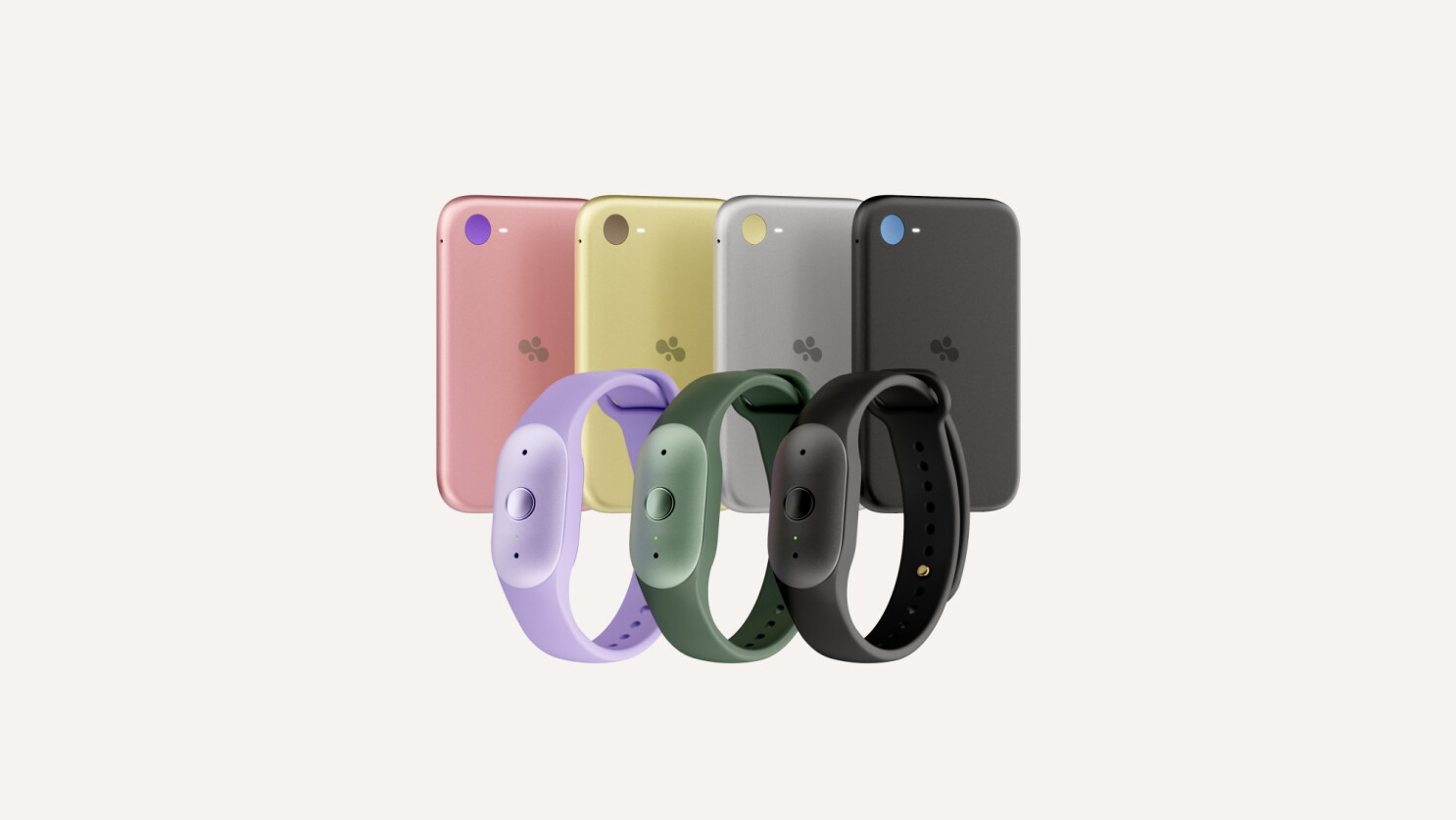
Amazon introduced Bee Frontier, a wearable personal AI, for $74.99 in Onyx, Lavender and Sage, and Bee Eclipse…
Wall Street ended down sharply, with worries about the AI trade and high oil prices weighing on the market

Citi has become the latest US bank to restrict AI agents from accessing accounts, per the Financial Times

Goldman Sachs says German exports have rebounded, driven by demand from the US, the EU, and the AI buildout

Forbes reports that Coca-Cola is using AI to reinvent its marketing, and presents the company's approach as a…