What happened
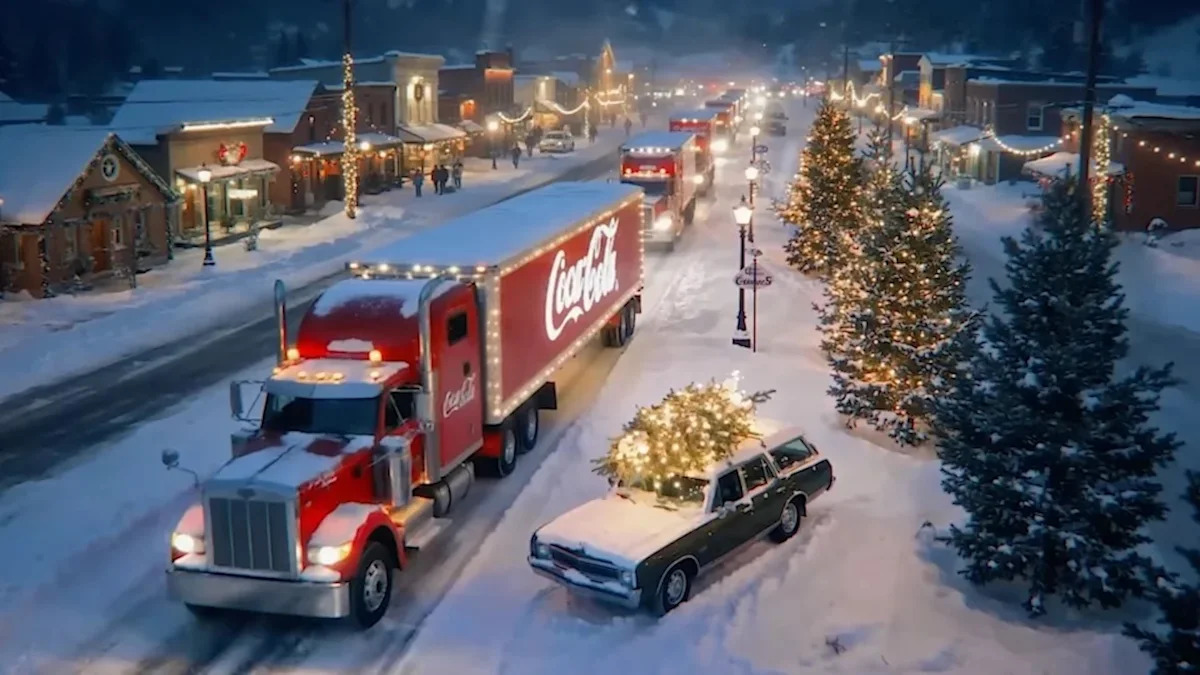
Coca-Cola faced consumer backlash in late 2024 for releasing fully AI-generated holiday ads designed to echo its 1995 campaigns. Valentino similarly drew criticism on Instagram for an entirely AI-made handbag campaign in late 2025, with commenters calling it "cheap" and "lazy." The trend is prompting interest in human-made work as a possible marketing countertrend.
Why it matters
Research shows 43% of North American consumers said low-quality or "uncanny" AI ads would hurt their opinion of a brand, and the Journal of Advertising Research found consumers react more negatively when luxury brands disclose AI-generated imagery because the work can seem less effortful and the brand less authentic. With trust and authenticity central to how companies justify premium prices, AI-generated content risks undermining the brand image businesses are trying to sell.
What to watch
Pew Research Center found that 53% of Americans think AI will erode our ability to have independent creative thoughts, and half of Americans report the rise of AI worries them more than it excites them—signals that consumer skepticism about automation in everyday life may continue to shape brand strategy.
Summaries like this, in your inbox every morning.
The backlash against AI-generated advertising reflects a broader consumer skepticism about AI's role in everyday life. Pew Research Center data shows half of Americans worry more about AI's rise than they are excited by it, and 53% believe it will erode independent creative thinking. This anxiety is translating into shopping behavior and brand perception—consumers appear to be equating AI-generated content with low effort and inauthenticity, particularly in luxury categories where craftsmanship and exclusivity command premium prices.
The timing is critical for brands. As AI tools become cheaper and more accessible, companies face pressure to automate creative work to cut costs. Yet the research and real-world reactions suggest that disclosure of AI involvement can backfire, especially for high-end products where consumers expect human skill and intention. The emerging countertrend—a possible market advantage for human-made work—may reflect consumers reasserting value around authenticity at a moment when trust and brand identity are under strain.
Pick your industry and the AI tools you use, and get news related to your work every day.
Free · 30 seconds with Google · unsubscribe anytimeWhat is AIToday? →
Ask AI anything about this article. The AI reads this article, earlier AIToday articles, and Wikipedia, and cites its sources. Q&As are published on this page for other readers too.
Hewlett Packard Enterprise stock is down 5% at $55.87

The Motley Fool argues Amazon is the AI company of the two, since AWS was just 21% of first-half 2026 revenue…

At TechCrunch Disrupt, Mark Wahlberg said he may use AI to enhance the stadium setting in his upcoming Pete Ro…
Vercel data published Thursday shows TypeSafe AI's Jev, a lightweight decision model for choosing among predet…
Chunghwa Telecom president Rong-shy Lin said the shift from conversational AI to autonomous AI agents is resha…

CoreWeave fell 5% in premarket trading Friday and was on track to finish the week down 15%, after rebounding f…