What happened
Google's GKE Labs built OpenRL, a self-hosted API that splits the RL loop from compute plumbing on Kubernetes, and recently donated it to the Cloud Native Computing Foundation after a June 2026 preview.
Why it matters
It lets infrastructure engineers handle scaling while researchers keep control of experiments, potentially easing one of AI's most infrastructure-heavy fine-tuning jobs.
Summaries like this, every morning.
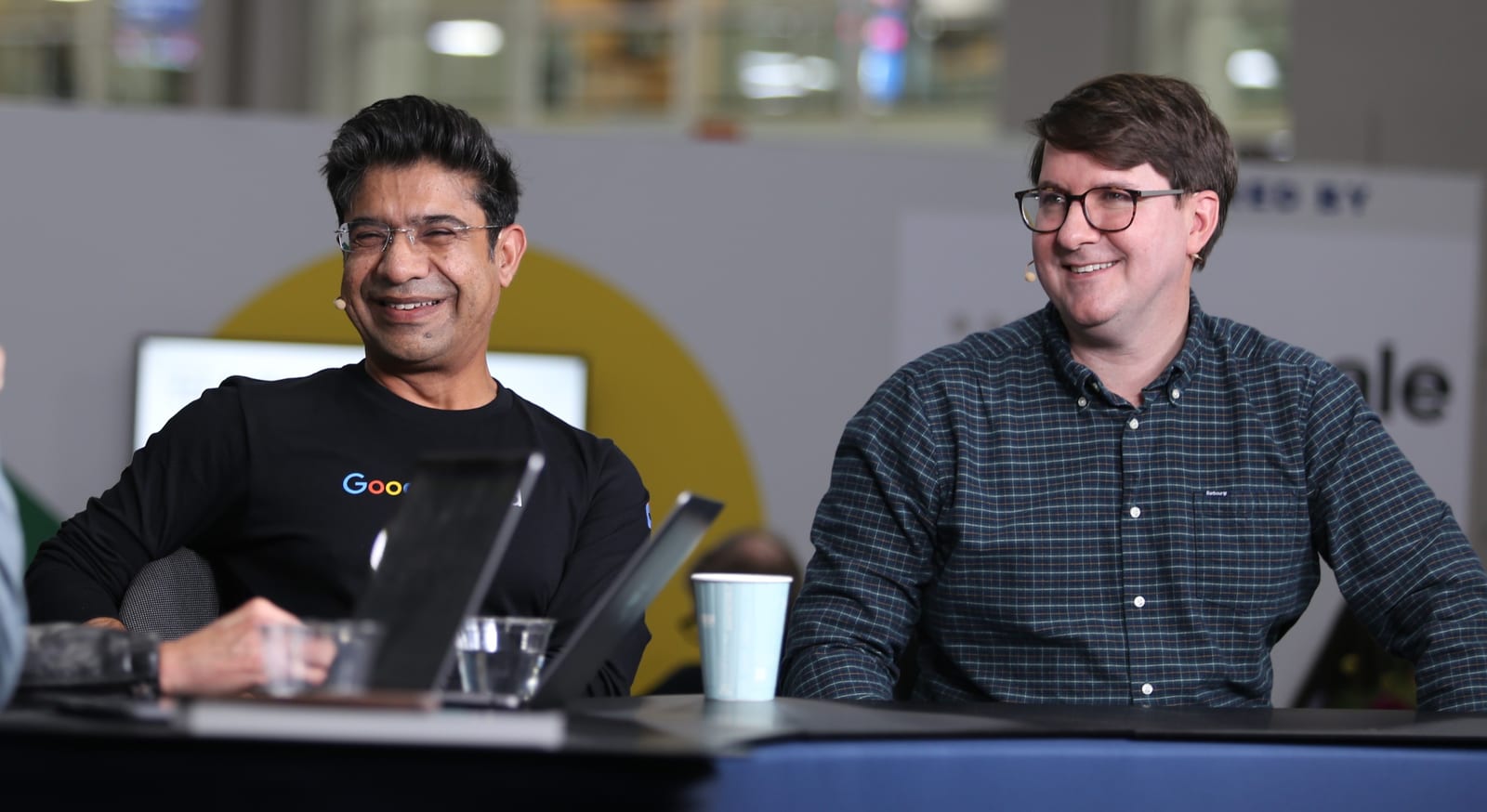
Google's GKE Labs builds experimental projects and puts them in users' hands early. OpenRL emerged from that process, starting as a research preview in June 2026 before being donated to the Cloud Native Computing Foundation. The project's origin traces to a concrete internal need: Google built kubectl-ai, an AI agent for Kubernetes tasks, and then a benchmark to grade models on that work. As Justin Santa Barbara put it, kubectl-ai could in theory have formatted his hard disk, which made a sandbox a practical requirement rather than an abstraction.
The architecture reflects that. OpenRL splits the reinforcement-learning loop — which mixes training, sampling, agent work in a sandbox and evaluation — from the compute plumbing, so infrastructure engineers manage scaling while researchers keep control of experiments. Sandboxes are where the loop meets agent infrastructure, since calculating rewards can mean running millions of isolated commands. Google's Agent Substrate, per Sunil Arora, packs more of those sandboxes onto limited compute, addressing the density problem that arises when reward calculation is command-heavy.
Pick your industry and the AI tools you use, and get news related to your work every day.
Free · 30 seconds with Google · unsubscribe anytimeWhat is AIToday? →
Ask AI anything about this article. The AI reads this article, earlier AIToday articles, and Wikipedia, and cites its sources. Q&As are published on this page for other readers too.
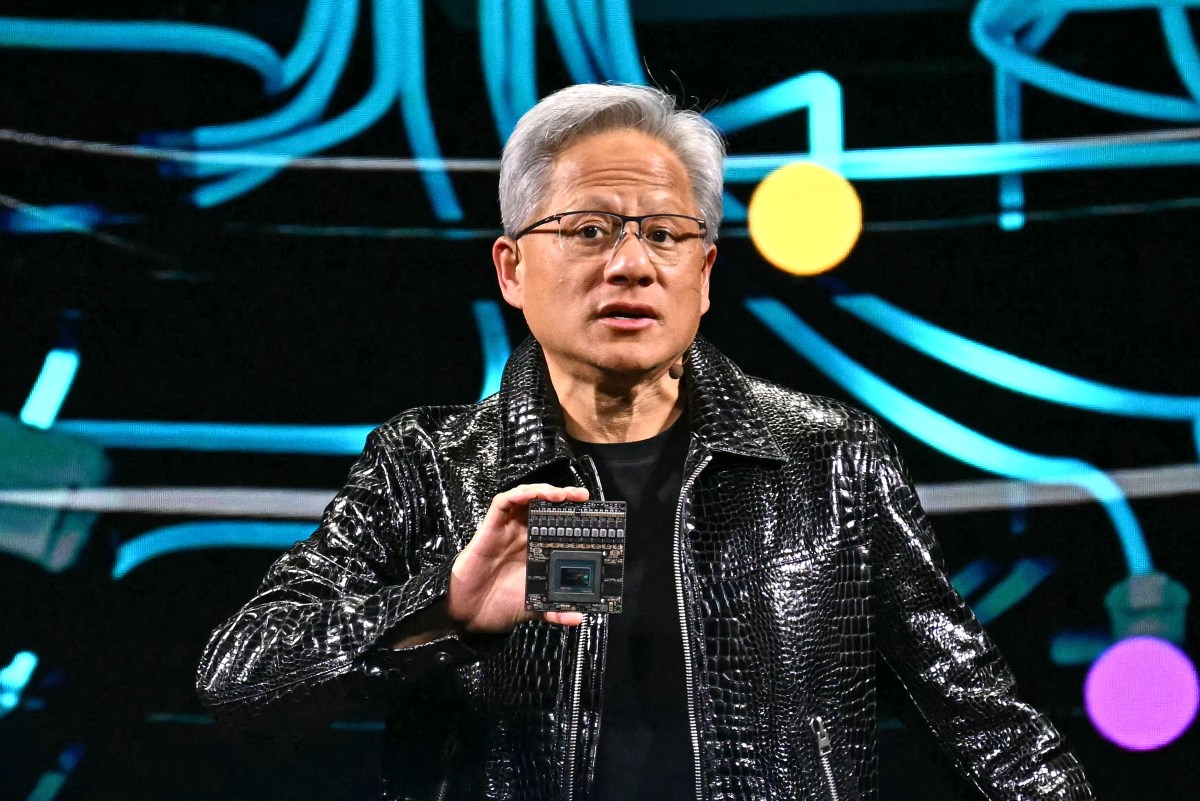
Nvidia's board ousted CEO Jensen Huang on Thursday after he admitted to an affair, reportedly including one wi…
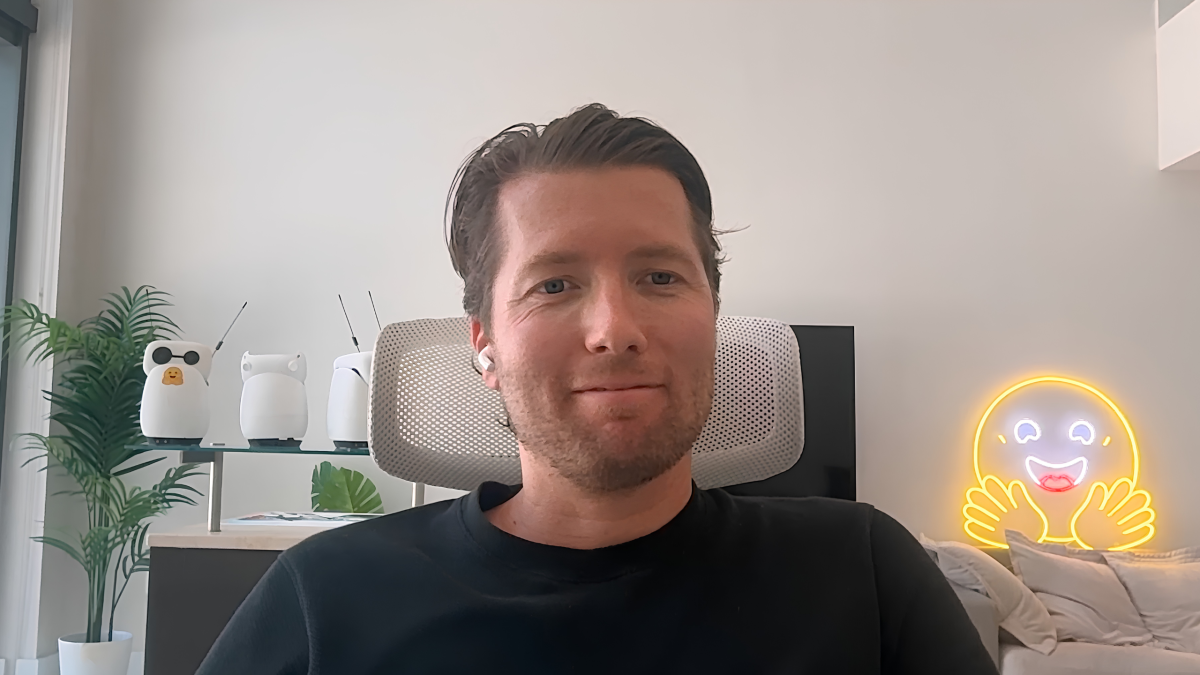
Hugging Face CEO Clément Delangue called Jensen Huang's departure a 'really sad day' and pledged on X that the…
SoftBank posted a $7.1 billion quarterly loss on Tuesday, with over half from power-equipment write-downs afte…

Nvidia CEO Jensen Huang resigned Thursday after admitting an affair with an alleged Chinese spy
Google launched Gemini 4 Hydrogen, which scores 51 vs
Qvyon launched with $8 million led by MaC Venture Capital and released Mimic Core, a platform that turns real…