What happened
IBM outbound CTO Tyler Lynch said teams should start from customer outcomes, not roles. He wants agent telemetry for token usage to trigger policies that can revoke an API key. HashiCorp's Infragraph is now available to eligible Terraform customers on a limited basis.
Why it matters
Lynch said no one has yet nailed how to handle authorization, logging and telemetry for different agent types. He also said shared infrastructure context could help teams catch dependency impacts their own changes might miss.
Summaries like this, in your inbox every morning.
IBM's approach, as described by outbound CTO Tyler Lynch, frames intelligent operations around a business question: what should AI help an enterprise accomplish? That framing extends beyond isolated projects to an operating model linking agent actions to customer outcomes, infrastructure dependencies and financial accountability.
On agent safety, Lynch points to a gap: agents deployed like applications, autonomous agents, delegated agents and local co-work agents have very different needs for authorization, logging and telemetry, and he says no one has nailed it yet. IBM supports Nvidia's Open Agent Safety Platform, contributing enterprise capabilities for agent identity, credentials and hybrid infrastructure, and Lynch's talks with Apptio have raised the idea of extending agent safety into financial oversight. His proposal is to emit token-usage telemetry from agents and let policies evaluate it, potentially revoking an API key to stop an agent until a human reviews it.
For operations, HashiCorp's Infragraph is now available to eligible Terraform customers on a limited basis. Lynch describes it as a graph-based representation of infrastructure that IBM is extending into a knowledge graph, enriched by FinOps and observability tools. That shared context may help teams catch dependency impacts beyond the resources a particular configuration directly manages, an area Lynch calls a scientific interest. On value, he argues spending alone cannot show whether AI delivers, and that financial practices are moving from retrospective cloud bills toward shorter optimization cycles and forecasting based on actual spending, with operational information reaching FinOps teams, controllers and CFOs. Ahead of IBM TechXchange 2026, his advice is to start from customer outcomes and expand from there.
Pick your industry and the AI tools you use, and get news related to your work every day.
Free · 30 seconds with Google · unsubscribe anytimeWhat is AIToday? →
Ask AI anything about this article. The AI reads this article, earlier AIToday articles, and Wikipedia, and cites its sources. Q&As are published on this page for other readers too.
Nvidia launched Nemotron 3.5 Super VL, an open 120-billion-parameter multimodal model, plus Bolt 74B-A9B for l…
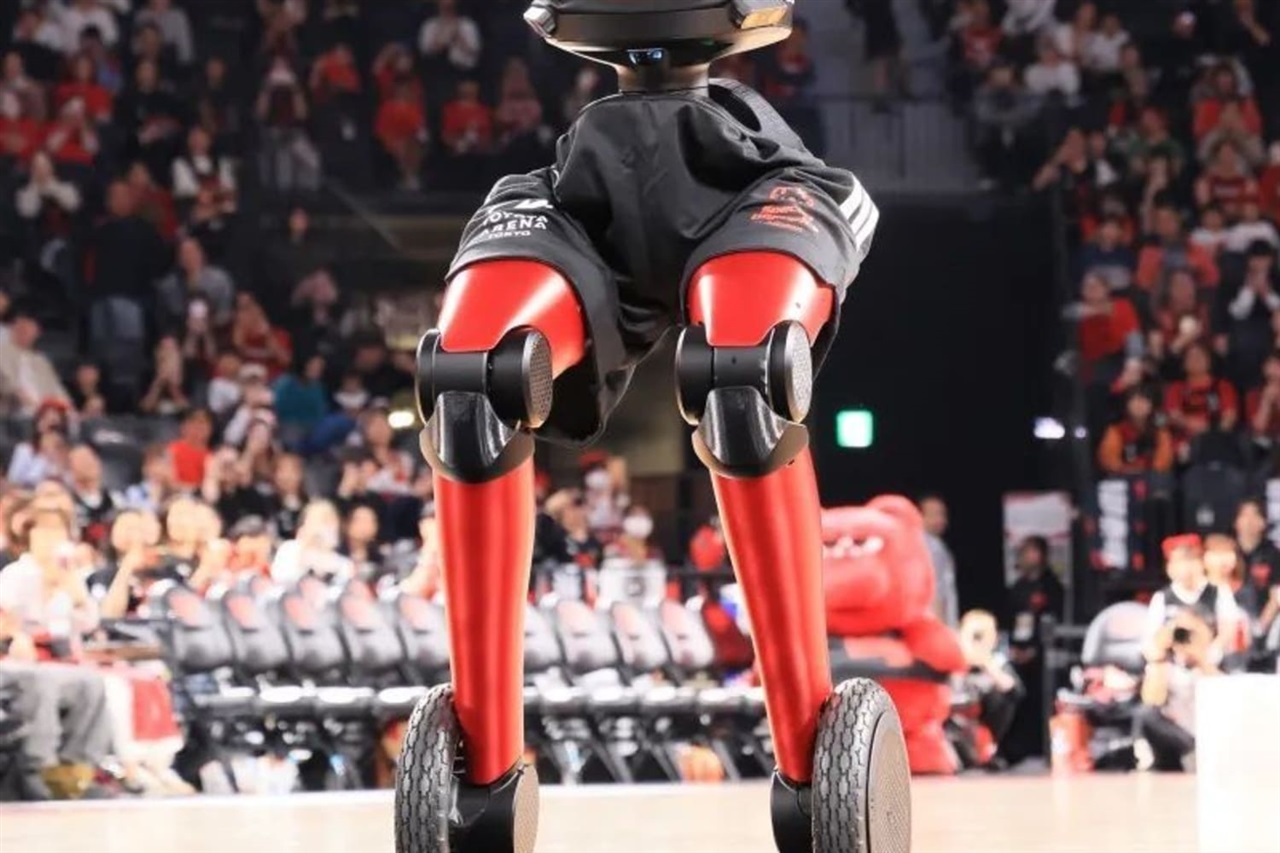
Japan Mobility Show Bizweek 2026 showcased Physical AI applications, including Toyota's basketball-playing rob…
Meta released Muse Spark Open, an open-weight model with 816 billion parameters (42 billion active), up to one…
Google pitched Gemini 4 Argon as one model for robot control, simulation and training-data review, saying it s…
Nvidia released Nemotron 3.5 Super VL, an open multimodal model with 120 billion parameters for enterprise age…
Perplexity is giving away SPACE, its "AI sandbox" for containing AI agents, as an open source project, with Co…