What happened
Google pitched Gemini 4 Argon as one model for robot control, simulation and training-data review, saying it scored 87 percent on its ERQA benchmark, ahead of Claude Opus 5.5 at 82.3 percent; on AA-Robotics it placed third with 55 out of 100 points.
Why it matters
A single model handling simulation, control and evaluation could cut the engineering work of building robot training setups, though Argon's published prompts include centimeter grids, pre-built commands and long prohibition lists, suggesting humans still do much of the scaffolding.
WHO IT HITSRobotics and embodied-AI teams evaluating foundation models for manipulation tasks will weigh Argon's split benchmark results and its paid, Ultra-only access before committing to it. Simulation and training-data engineers may find the one-model pitch attractive, but the published prompts suggest significant human setup remains.
Summaries like this, in your inbox every morning.
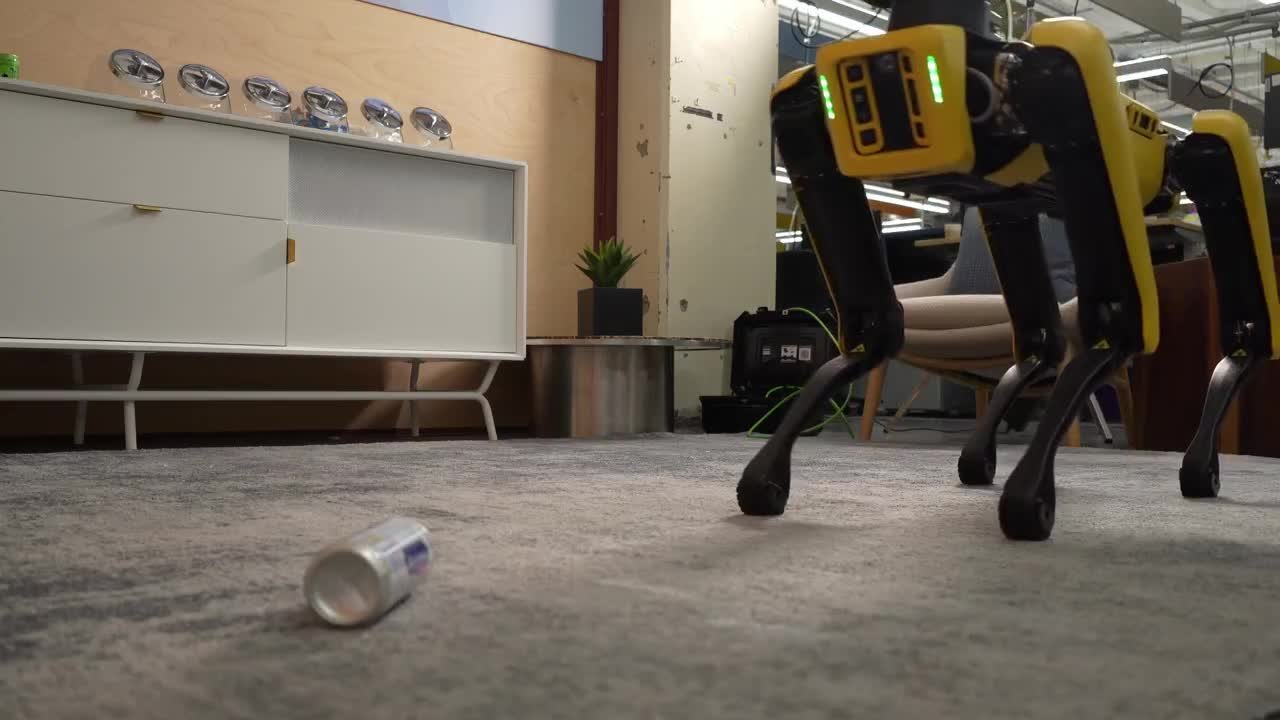
Google had released Gemini 4 Argon globally just days before this robotics-focused pitch, and the company frames it as another step toward "physical AGI," a goal it and its AI subsidiary DeepMind have pursued for years. The demos lean on simulations to prepare, verify or generate training data — a pattern Google applies from a single photo of a table to a first-person video of a human grasping task. The model also works from other sources, such as a teleoperated robot recording, a ballpoint pen sketch, or even directing an AI video world model called Gemini Omni step by step. In one demo, Argon had to place a Lego brick into a wooden box and improve its own performance over time, cutting execution time from 58.9 to 17.4 seconds across three iterations.
Google is positioning Argon alongside its existing robotics work. It had already introduced Gemini Robotics-ER 1.6 for spatial perception and task planning, and training in virtual environments is not new — the startup World Labs showed how real scenes can be turned into virtual training worlds, while Nvidia's DreamDojo simulates robot actions as videos. Google's stated differentiator is the ambition to handle simulation, control and evaluation all with the same model.
That ambition comes with visible caveats. The published example prompts reveal that the demos still need a lot of human guidance — for righting an overturned cup described as "zero-shot," Argon receives a camera image with a centimeter grid overlay and pre-built commands like "grasp" or "lower until contact." For the simulations, there are long prohibition lists to keep the model from taking shortcuts like copying measured sensor values, and Google doesn't share failure rates for individual demos or the total number of attempts behind the 75 percent success rate.
Pick your industry and the AI tools you use, and get news related to your work every day.
Free · 30 seconds with Google · unsubscribe anytimeWhat is AIToday? →
Ask AI anything about this article. The AI reads this article, earlier AIToday articles, and Wikipedia, and cites its sources. Q&As are published on this page for other readers too.
Nvidia launched Nemotron 3.5 Super VL, an open 120-billion-parameter multimodal model, plus Bolt 74B-A9B for l…
IBM outbound CTO Tyler Lynch said teams should start from customer outcomes, not roles
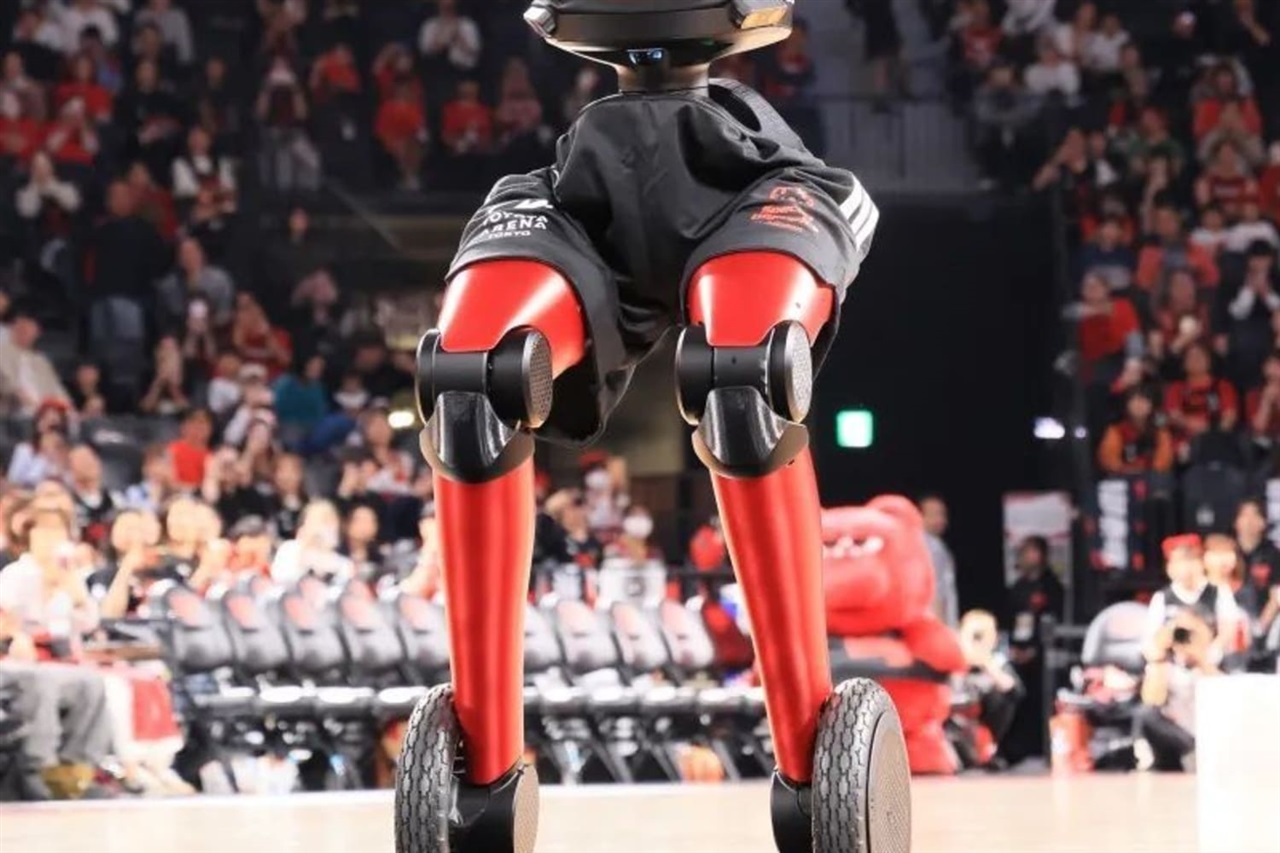
Japan Mobility Show Bizweek 2026 showcased Physical AI applications, including Toyota's basketball-playing rob…
Meta released Muse Spark Open, an open-weight model with 816 billion parameters (42 billion active), up to one…
Nvidia released Nemotron 3.5 Super VL, an open multimodal model with 120 billion parameters for enterprise age…
Perplexity is giving away SPACE, its "AI sandbox" for containing AI agents, as an open source project, with Co…