What happened
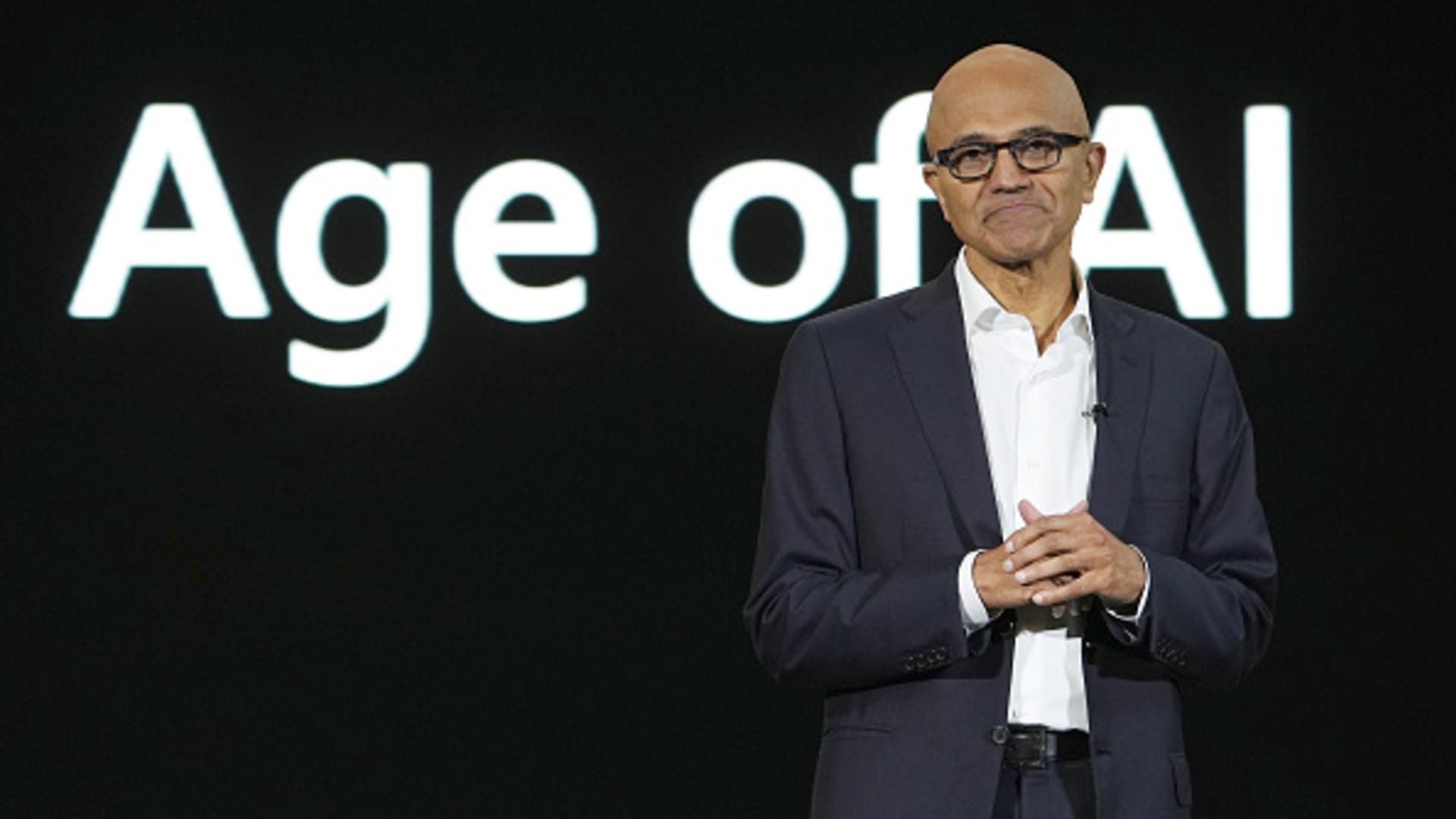
Satya Nadella told roughly 50 large Microsoft customers in Seattle that AI adoption needs "diffusion inside the enterprise," while Microsoft pushes consumption-based billing, starting with Copilot Cowork.
Why it matters
A usage-based model would charge customers by how much they consume rather than a flat subscription, which Microsoft sees as better reflecting the value delivered and could lift spending per user.
What to watch
The model's success hinges on whether budget-conscious IT executives are willing to adopt it, given concerns about unpredictable costs; watch adoption of Copilot Cowork as the first test of whether the shift takes hold.
WHO IT HITSCorporate IT executives and budget owners who manage Microsoft licensing face a shift from fixed per-user subscriptions to usage-based billing for AI tools, making cost forecasting harder. Microsoft customers already paying $30 per person each month for Copilot may see spending tied to actual consumption.
Summaries like this, in your inbox every morning.
Microsoft built its modern business on subscriptions, turning Office into a software-as-a-service powerhouse under Satya Nadella. Now, as AI tools demand more computing power, that fixed-price model is under pressure. The company's answer is usage-based billing, which charges customers for what they actually consume.
The first test is Copilot Cowork, a product that takes on large productivity tasks. Nadella said thousands of customers are already paying for and actively using it. But some IT executives worry about unpredictable costs, and there is no clear way to measure benefit yet. If Copilot Cowork succeeds, it could open the door to higher spending per user. If it stumbles, Microsoft's AI ambitions may face a harder path.
Pick your industry and the AI tools you use, and get news related to your work every day.
Free · 30 seconds with Google · unsubscribe anytimeWhat is AIToday? →
Ask AI anything about this article. The AI reads this article, earlier AIToday articles, and Wikipedia, and cites its sources. Q&As are published on this page for other readers too.
In Q2, billionaires or their funds sold six 'Magnificent Seven' AI stocks

Nvidia was rising early Friday, even as the wider chip sector kept falling, Barron's reported

ElevenLabs completed a $300 million employee tender at a $22 billion valuation, and co-founder Mati Staniszews…

On October 15, OpenAI announced the Rosalind Academic Plan, giving approved US university labs free access to…

Neostellar Capital principal Evan Schlossman said CoreWeave's $103.7 billion in remaining performance obligati…

A Qiita article compared automated red-teaming methods for LLM apps — GCG, PAIR, and TAP — using mock implemen…


