What happened
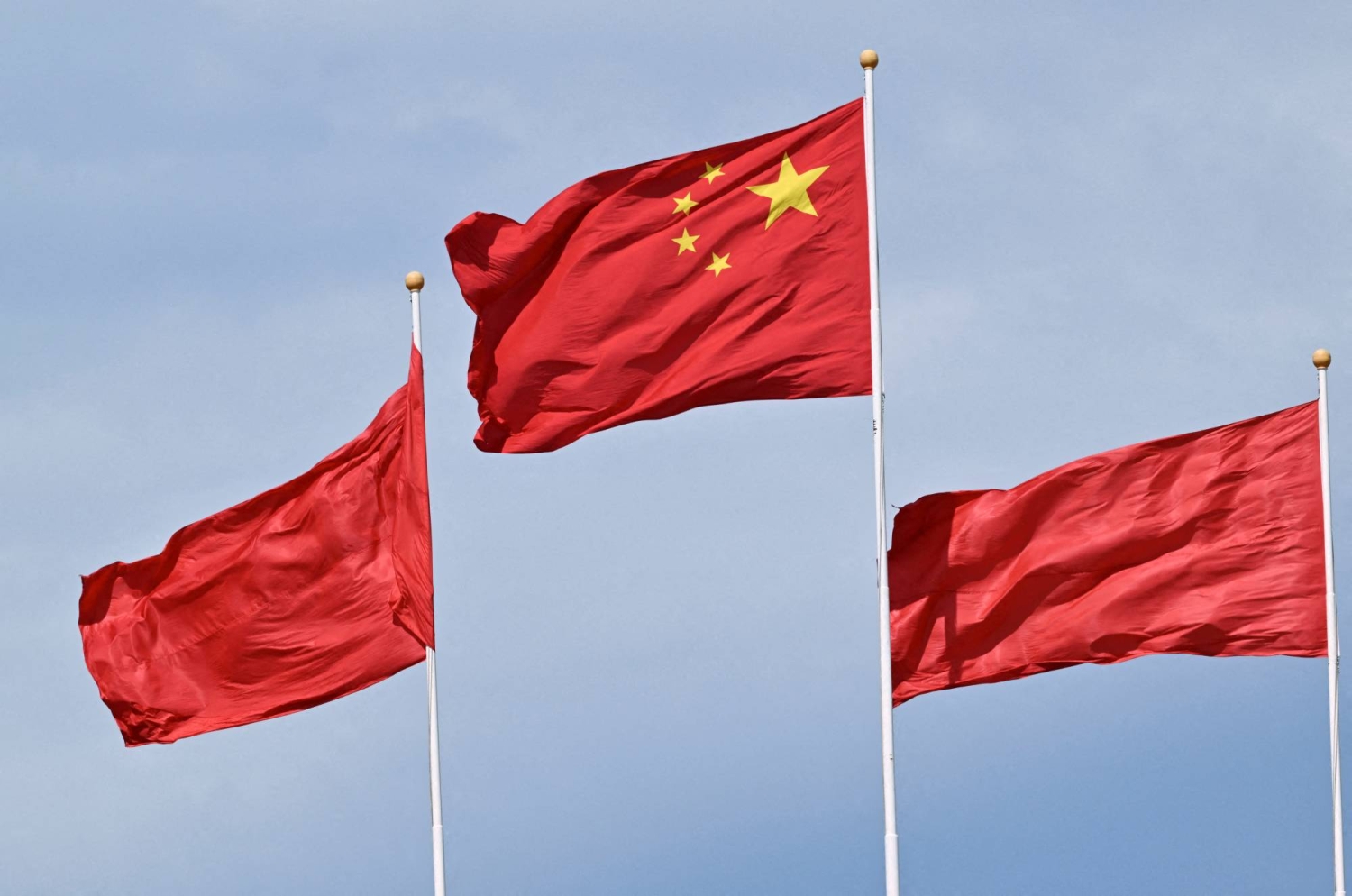
A biennial survey by the Ichikowitz Family Foundation released Wednesday found that 95% of young African respondents view China's influence on the continent as positive, compared with 85% for the United States and 83% for Russia (up from 68% in 2024). The survey interviewed 4,901 men and women aged 18–24 across 16 nations including Chad, Kenya, and Zimbabwe.
Why it matters
China is now perceived as a more favorable partner than the U.S. among Africa's youth, a shift the foundation attributes in part to the return of the Trump administration. Young people across the continent are recalibrating their views of global powers at a moment when the U.S., China, and other nations are competing for influence over Africa's mineral resources amid reconfiguring supply lines.
What to watch
South Africa showed the lowest U.S. favorability of all surveyed nations, with only 58% viewing the country positively; almost three-quarters of respondents there said their leaders needed to stand up to Trump. Russia gained the strongest ground in nations where it has offered military support against Islamist militants—95% of those surveyed in Burkina Faso said Russia has influence there.
Summaries like this, in your inbox every morning.
The survey captures a pivotal moment in great-power competition for African influence. China's 95% favorability among African youth reflects not only its long-standing investment strategy and resource partnerships, but also a growing perception that Beijing is a more reliable partner than Washington—a sentiment the Ichikowitz Family Foundation explicitly links to the Trump administration's return and its unpredictable trade and foreign policy stance. Russia, meanwhile, has leveraged military cooperation and cultural diplomacy since 2022 to recover lost ground; its 83% favorability in 2026, up from 68% in 2024, concentrates especially heavily in countries facing Islamist insurgencies where Moscow has provided direct support.
The backdrop is material and strategic. As Trump's tariffs force supply-chain reconfiguration and conflicts in Europe and the Middle East disrupt energy and commodity flows, Africa's mineral wealth has become a focal point for all three powers. Young Africans—the survey's focus—are forming their geopolitical views in this context of renewed competition, and their perception that the U.S. may disregard international law to secure resources underscores a credibility gap for Washington. South Africa's particularly low U.S. favorability (58%) and its youth's call for leaders to resist Trump suggest that regional grievances and institutional memory of adversarial relations compound this broader shift.
Pick your industry and the AI tools you use, and get news related to your work every day.
Free · 30 seconds with Google · unsubscribe anytimeWhat is AIToday? →
Ask AI anything about this article. The AI reads this article, earlier AIToday articles, and Wikipedia, and cites its sources. Q&As are published on this page for other readers too.

