What happened
Users are using Anthropic's Claude Code to rewrite smart TV code and tools like GitHub's REA to analyze closed software, with REA passing 420,000 GitHub stars as of Nov 5.
Why it matters
Such easy modification of closed devices can produce buggy code that, if widespread, may lead to vulnerable software on critical hardware and open the door to malware, according to security reporter Jason Koebler.
Summaries like this, every morning.
The trend is a spin-off of the growing capability of AI coding assistants. Previously, modifying closed software required skills, time and effort. Now, as the examples show, a user can simply tell Claude Code a TV model number and have it identify the device over Wi-Fi and replace its software. The GitHub project REA follows the same logic: rather than manually reverse-engineering an app, a user registers an AI agent and asks it to analyze the app and produce a custom version.
The appeal is clear from the use cases: removing ads, reviving a discontinued product, or adding features the original maker never intended. But the same ease of modification is what worries observers. Jason Koebler's warning is not about the hobbyists themselves but about what happens when large numbers of modified, poorly understood software builds circulate. In that scenario, the weak point may not be the AI tools but the devices they touch, and the impact could reach users who never chose to modify anything.
Pick your industry and the AI tools you use, and get news related to your work every day.
Free · 30 seconds with Google · unsubscribe anytimeWhat is AIToday? →
Ask AI anything about this article. The AI reads this article, earlier AIToday articles, and Wikipedia, and cites its sources. Q&As are published on this page for other readers too.
On Nov. 9, eight countries plus OpenAI's Sam Altman, Anthropic's Dario Amodei, Microsoft's Brad Smith, Mistral…

Bay AI Inc. launched with $50 million — a $37 million Series A led by Battery Ventures and a $13 million seed…

Google DeepMind unveiled Gemini Robotics 2.5, a vision-language-action model that generates robot movements

Devon Thomas quit Apple and founded Abliteration AI, which removes safeguards from open-weight models like Z.a…

Irene Solaiman, chief policy officer at Hugging Face, said on the Equity podcast that the permissive, data-ric…
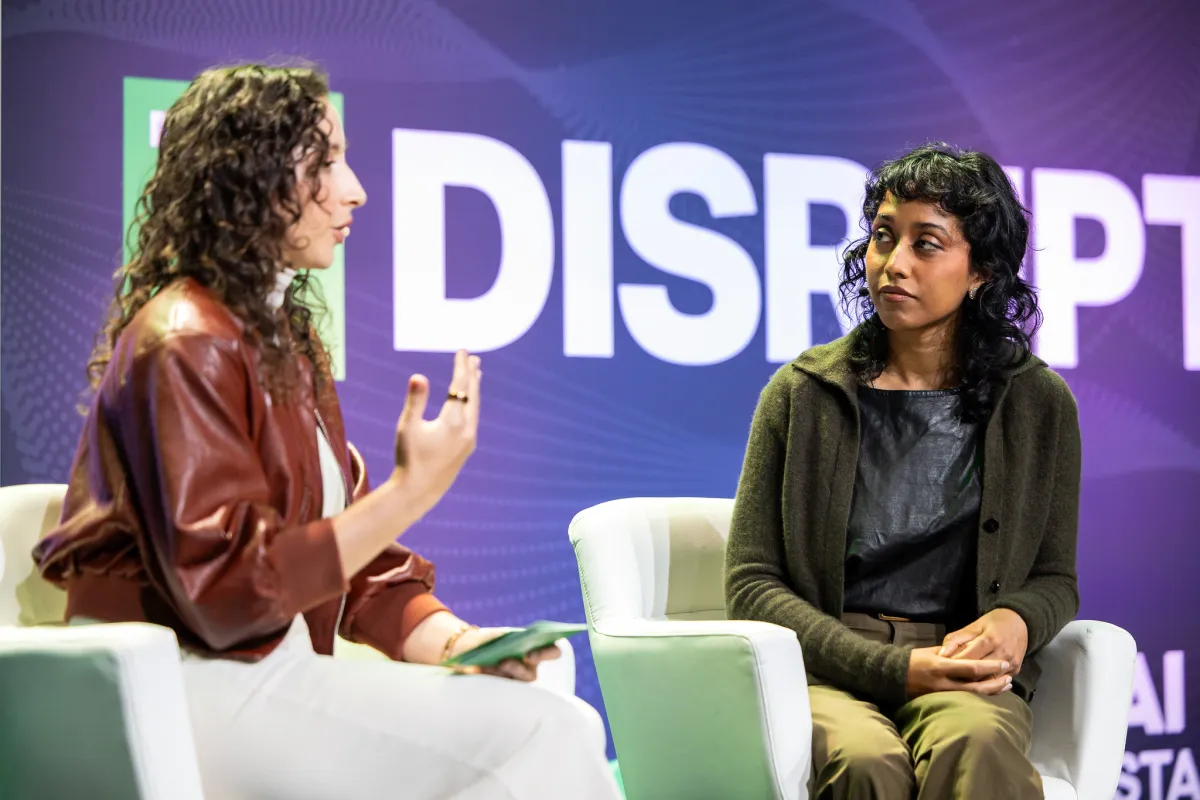
On November 10, OpenAI Academy and partners including Caregiver Action Network and Alzheimer's Association wil…