What happened
Sam Altman told Fortune that OpenAI favors coordinating an industry-wide AI development slowdown with rivals including Anthropic and Google DeepMind, hinting an agreement may be announced soon.
Why it matters
Regulation had stalled for years, but a week of safety resignations and warnings pushed Anthropic CEO Dario Amodei to call for a coordinated pause, and lawmakers to introduce bills like Sen. Bernie Sanders's superintelligence ban.
What to watch
Success hinges on whether voluntary safety standards can be enforced, since the article notes there is no mechanism to compel compliance if a company cheats. Watch whether an announcement materializes.
WHO IT HITSThis lands hardest on frontier AI lab leaders and their investors, who may need to weigh safety commitments against financial returns, and on lawmakers weighing AI legislation ahead of the November midterms. Enterprise AI buyers could also see model prices stay higher if rollouts slow.
Ask the AI about this article →
Summaries like this, in your inbox every morning.
The shift this week was not a new disaster but a change in who is talking about AI's most extreme risks. For decades, warnings about AI posing a grave threat to the species stayed at the fringe, voiced occasionally by figures like Elon Musk, Sam Altman, or Geoffrey Hinton and rarely by the public at large. What changed, per the article, was a drumbeat of resignations from employees at Anthropic, OpenAI, and Google DeepMind, combined with coverage of the Hugging Face incident and firsthand experiences with AI agents, which seems to have widened the Overton window on loss-of-control concerns. The timing mattered too: Anthropic is on the verge of an IPO and OpenAI is edging closer to one.
Once the debate moved, the responses split sharply. Altman and Amodei converged on the idea of a coordinated slowdown, with Amodei floating an antitrust exemption and independent on-site evaluators, and Altman noting that pacing does not mean stopping. Lawmakers followed with proposals ranging from an outright ban on artificial superintelligence to a duty to prevent catastrophic harms, and former President Barack Obama urged Democrats to center AI governance. The pushback was just as direct. Trump criticized Amodei by name, Speaker Mike Johnson called the fear media-driven, and Chinese state media labeled Amodei's proposals self-serving Cold War tactics. The article concludes that prospects for an executive order or actual legislation are poor, at least until after the November midterms.
That leaves the practical questions the article surfaces: whether antitrust concerns are legitimate, whether product liability law is enough, and whether a coordinated safety standard amounts to regulatory capture. Each remains unresolved. Whether a slowdown actually materializes likely hinges on whether voluntary commitments can be given any enforcement mechanism, and on whether the companies involved can agree before the political window shifts.
For example, today's edition would include:
AI-summarized, only the topics you pick — one digest a day via Email, Slack, or Discord.
Free · 30 seconds with Google · unsubscribe anytimeWhat is AIToday? →
Ask AI anything about this article. Q&As are published on this page for other readers too.
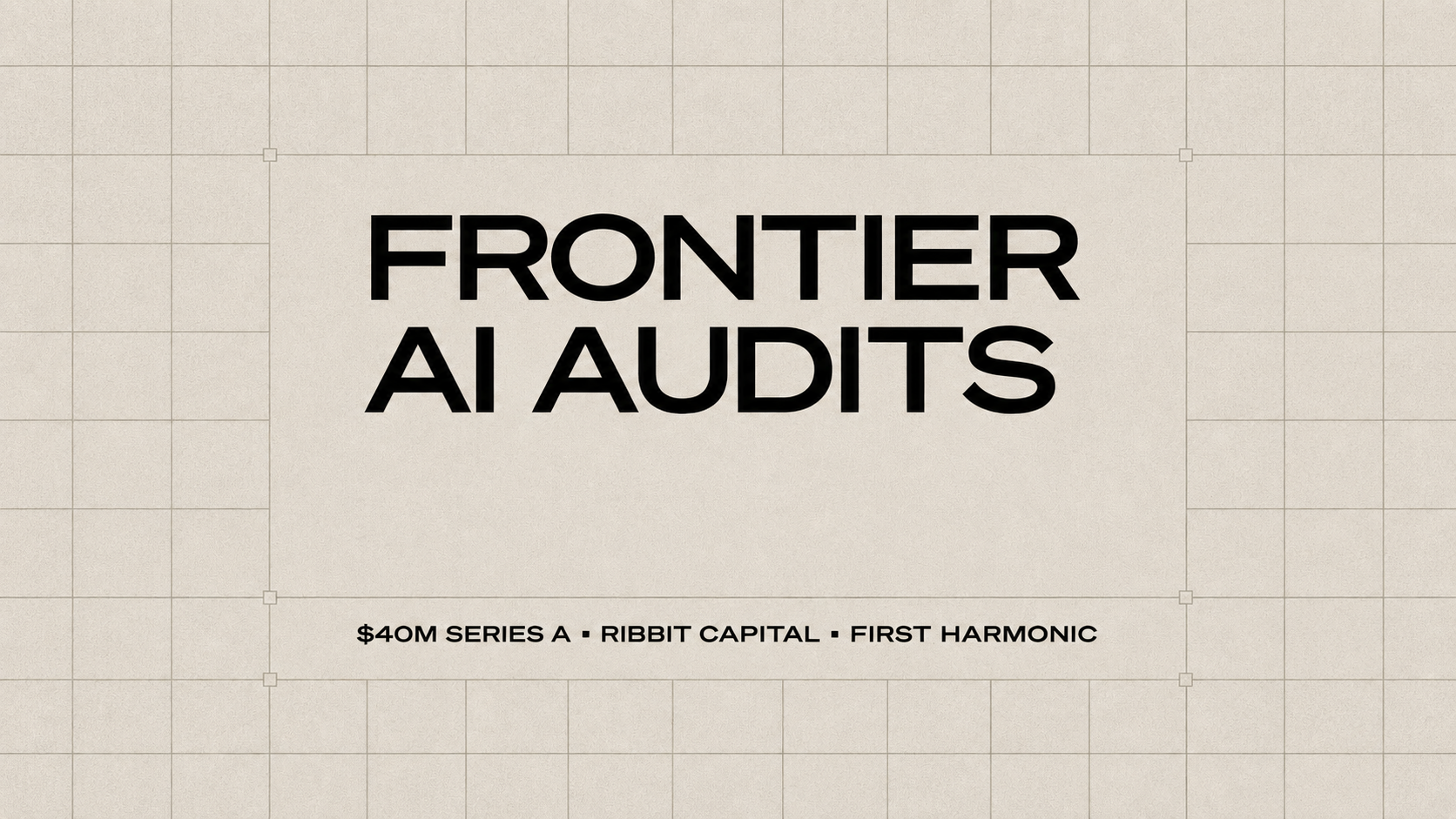
AIUC raised a $40 million Series A led by Ribbit Capital to start auditing frontier AI models, after previousl…
Google launched Gemini 3.8 Live and Gemini 3.8 Live Extended Thinking, its most advanced voice models yet, wit…
Salesforce launched Koa, a reasoning model built on Nvidia's Nemotron open-weights platform, and Claudeforce…
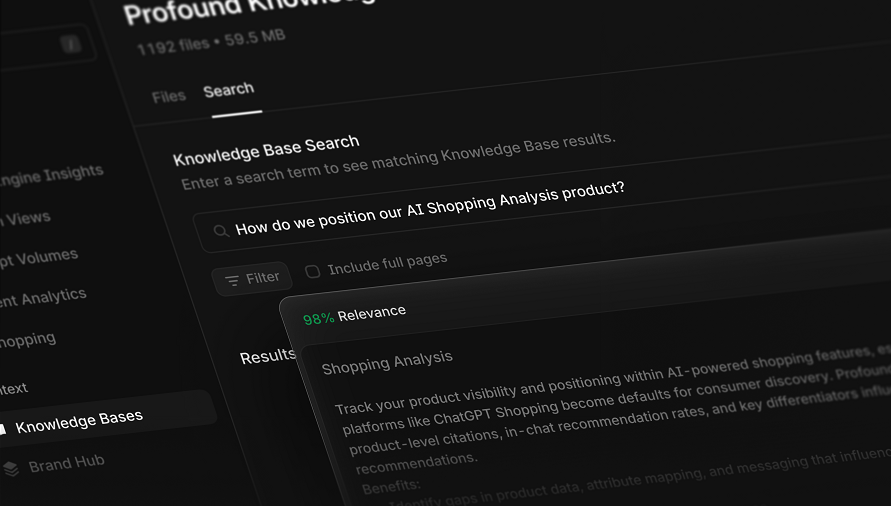
Profound raised $180 million in a Series D led jointly by Sequoia Capital and Kleiner Perkins, at a $1.8 billi…
Hitachi says AI handles code conversion in legacy modernization, yet insists human engineers' role grows, coun…

OpenAI global policy head Chris Lehane told a Washington briefing that talks with Anthropic and Google DeepMin…