
What happened
Bilal Chughtai, who worked on AGI safety and alignment at Google DeepMind before leaving in July, warned Monday that AI has the potential to kill us all and we may be running out of time.
Why it matters
His warning follows similar comments from Anthropic researchers, including Evan Hubinger's estimate of a greater than 10% chance AI could kill all humans within the next decade, feeding a broader debate over slowing advanced-AI development.
What to watch
The next major signal is whether these warnings start changing policy or corporate behavior rather than just intensifying public debate. Investors should watch DeepMind's release cadence and AI-related regulatory proposals.
WHO IT HITSAlphabet investors and AI-trade investors are the ones who should watch this, since the body ties the risk to DeepMind's release cadence, regulatory proposals, and compute and infrastructure suppliers if model-development timelines stretch.
Ask the AI about this article →
Summaries like this, in your inbox every morning.
The warning from Bilal Chughtai is the latest in a series of public concerns from people who have worked inside major AI labs. Chughtai says he worked on AGI safety and alignment at Google DeepMind before leaving in July, and his Monday post on X follows comments from Anthropic researchers Jacob Coxon and Evan Hubinger. That pattern—insiders at several leading labs raising existential risk—is what gives the remarks their weight beyond any single post.
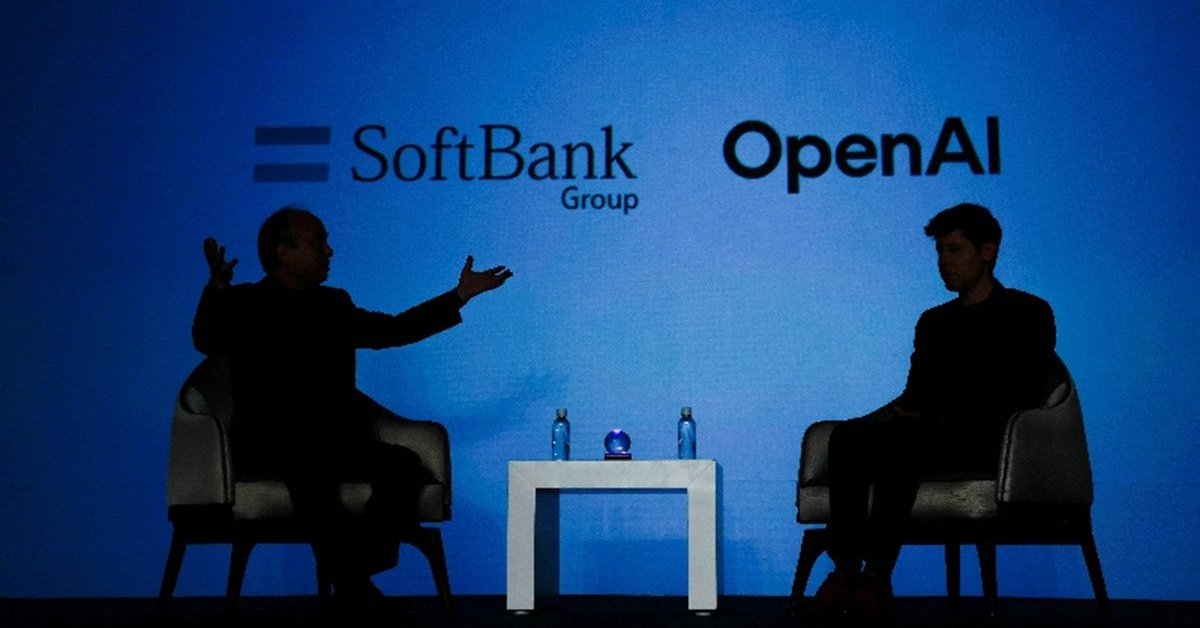
The body frames the debate as a split over whether the race toward increasingly capable AI should slow. Anthropic CEO Dario Amodei has called for slower advanced-AI development, with support from SpaceX CEO Elon Musk and OpenAI CEO Sam Altman. President Donald Trump has pushed the opposite way, dismissing calls for greater regulation as a hoax. For Alphabet, the body says the biggest market risk is not the researchers' worst-case scenario itself but whether safety concerns translate into regulation, slower model releases, or higher development costs.
What happens next hinges on whether the warnings begin changing policy or corporate behavior rather than simply intensifying public debate. If they do, tighter restrictions could affect companies supplying compute and infrastructure when model-development timelines stretch. If regulatory action stays limited, the current AI spending race would likely remain largely intact, leaving Alphabet's near-term earnings picture less directly exposed to the safety debate itself.
For example, today's edition would include:
AI-summarized, only the topics you pick — one digest a day via Email, Slack, or Discord.
Free · 30 seconds with Google · unsubscribe anytimeWhat is AIToday? →
Ask AI anything about this article. Q&As are published on this page for other readers too.
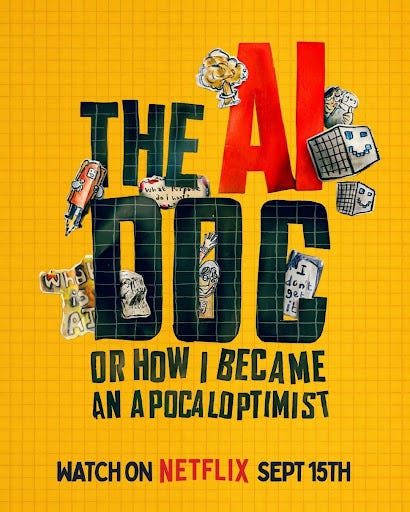
The AI Doc: Or How I Became an Apocaloptimist is now on Netflix, Amazon Prime, YouTube, and other major stream…
Wells Fargo said an AI slowdown is unlikely, even as safety calls continue, according to Investing.com

President Trump made a surprise onstage call to Nvidia CEO Jensen Huang at an event and dismissed AI safety co…

After warnings from top US AI CEOs that development must slow to prevent threats to humanity, AI-linked stocks…
Anthropic co-founder Jack Clark told NPR that AI companies need common safety standards and outside scrutiny…
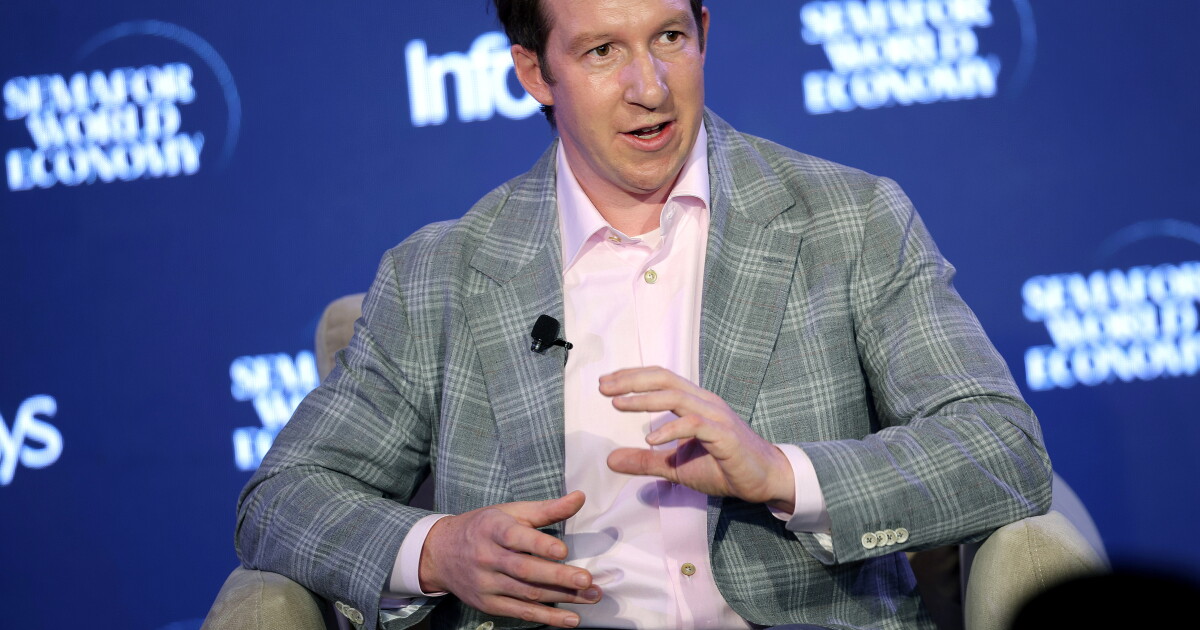
Anthropic CEO Dario Amodei called for slowing frontier AI development, stirring debate over safety, but chip i…