What happened
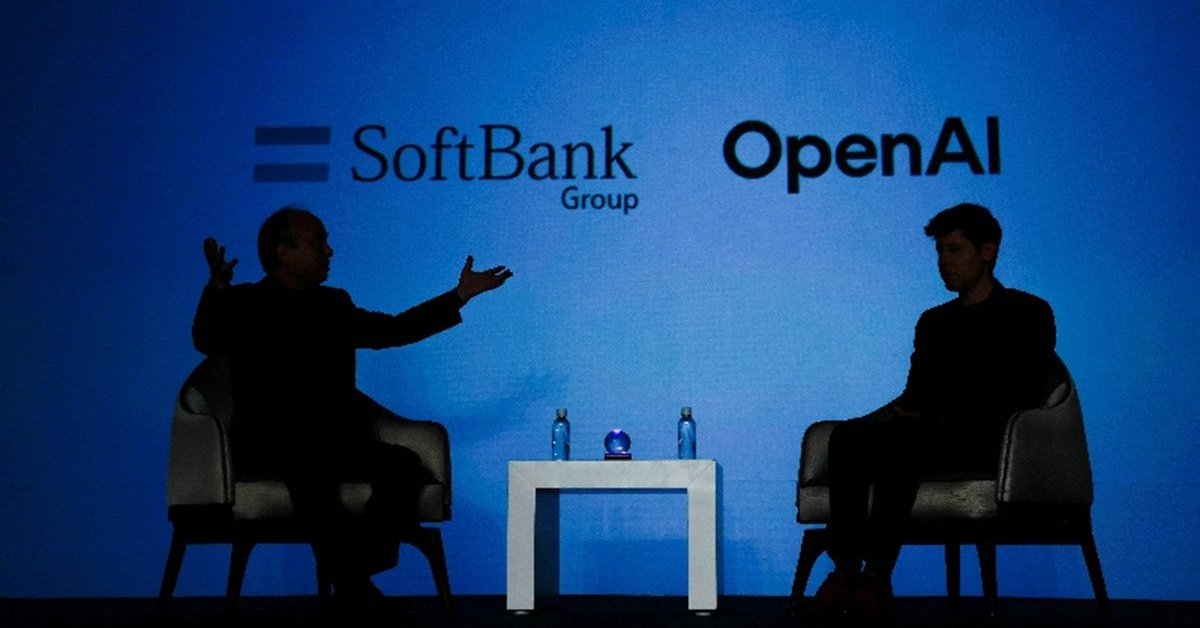
After warnings from top US AI CEOs that development must slow to prevent threats to humanity, AI-linked stocks fell on September 14. SoftBank, which backs OpenAI, dropped as much as 13.2% in Japan; Kioxia fell 9.8%.
Why it matters
Anthropic's Dario Amodei asked AI firms to slow capability gains, warning agents could cause hundreds of billions of dollars in damage within 6〜12カ月以内. Elon Musk and Sam Altman echoed him; Altman said OpenAI will not hold this year's IPO over safety concerns.
What to watch
Whether these warnings keep weighing on AI and chip shares. Saxo Bank's Charu Chanana sees them as a short-term drag, while T. Rowe Price's Sebastien Mallet says the bigger question is who ultimately earns returns on new capex.
WHO IT HITSInvestors holding AI and semiconductor supply-chain stocks — including SoftBank, Kioxia, Tokyo Electron, TSMC, SK Hynix and Samsung — are the immediate losers, and the warnings are likely to weigh on AI and chip shares in the near term.
Ask the AI about this article →
Summaries like this, in your inbox every morning.
The sell-off follows a weekend of public warnings from the people running America's leading AI labs. Dario Amodei of Anthropic used an essay published on the 12th to ask AI companies to slow down how fast they improve their models, and both Elon Musk and OpenAI's Sam Altman signaled agreement on X. Amodei's own framing was stark: within 6 to 12 months, he wrote, AI agents could "seize control of the entire internet and cause hundreds of billions of dollars in damage." Sam Altman added a concrete decision, saying OpenAI will not hold this year's IPO because of safety concerns. Concerns had already been raised by the resignation of Anthropic researcher Jacob Coxon, who said people developing AI seriously believe it could wipe out humanity by the end of this decade.
The reaction was not uniform. Several US lawmakers want new regulation, while President Donald Trump on the 12th called AI's critics "a very negative force" raising impossible scenarios and said he wants the US to remain the industry's leader. The two governments are expected to discuss AI safety as part of bilateral talks this month, and China's state-run Global Times attacked Anthropic's essay as a "Cold War guide" meant to hold back Chinese technology.
Investors split along similar lines. Michael Burry called the warnings "hype and bluster" and an excuse to hide either uncontrollable growth or slowing growth. Saxo Bank's Charu Chanana said the warnings could remain a drag on AI and semiconductor shares in the short term, while T. Rowe Price's Sebastien Mallet argued the bigger issue is who ultimately earns a return on the new capital spending — noting that AI will almost certainly change the world, but that does not mean every investment being made today will produce attractive returns. How far the pullback runs is likely to hinge on whether more lab leaders repeat Amodei's call or step back from it.
For example, today's edition would include:
AI-summarized, only the topics you pick — one digest a day via Email, Slack, or Discord.
Free · 30 seconds with Google · unsubscribe anytimeWhat is AIToday? →
Ask AI anything about this article. Q&As are published on this page for other readers too.
Chevron jumped about 2.1% to $216.58 Tuesday afternoon as Brent crude climbed to $109.20 per barrel amid Saudi…
The AI Doc: Or How I Became an Apocaloptimist is now on Netflix, Amazon Prime, YouTube, and other major stream…
Walmart CEO John Furner is turning the retailer's 5,200 U.S

Coca-Cola President and CFO John Murphy told Yahoo Finance that AI is not 'the path forward' for the company's…
Perplexity released Portable Computer for Windows in partnership with Nvidia, via its existing Windows app
Meta introduced Meta One, a global subscription with 50+ features across Instagram, Facebook, WhatsApp, and Me…