What happened
The project published the full Lumina Capital Engine v6.4.6 architecture, including LangGraph-based agent debate, a Pure Rust sentinel, SQLite FTS5 memory, and Interactive Brokers execution; a 2020–2024 backtest with 0.1% fees and 0.05% slippage shows +187.3% cumulative return versus +87.2% for the S&P 500.
Why it matters
If those simulated results hold, the open-source design suggests retail developers could assemble broker-connected automated trading that performs well against a buy-and-hold benchmark, though the figures come from a backtest rather than live trading.
Summaries like this, every morning.
Lumina Capital's earlier iteration, which combined LangGraph, Qlib Alpha158, and Google TimesFM, was accepted into the awesome-quant repository's Trading & Backtesting section. That recognition appears to have encouraged the developer to move beyond a proof-of-concept and integrate live broker connectivity with Interactive Brokers, along with stricter risk controls.
The system's design reflects a deliberate split between a Python layer for reasoning and a Rust layer for low-latency execution. The Rust sentinel is benchmarked at 3.63 nanoseconds for a single position check and 3.62 microseconds for 1,000 positions, while the SQLite FTS5 memory engine retrieves past trading lessons in about 0.3 milliseconds without external vector databases or embedding APIs. These choices target the latencies that can otherwise delay stop-loss decisions during fast market moves.
On the finance side, the engine incorporates six established quantitative models, including volume clock sampling, order flow imbalance, the Amihud illiquidity ratio, Hayashi-Yoshida covariance with a positive semi-definite projection, half-Kelly sizing with hierarchical risk parity, and Black-Scholes gamma exposure. The reported five-year backtest covers the 2020 post-COVID volatility and the 2022 rate-hiking period, and the developer attributes the -12.1% maximum drawdown to the Rust sentinel, HRP diversification, and an ontology dictionary that constrains how the language model interprets raw factor values.
Pick your industry and the AI tools you use, and get news related to your work every day.
Free · 30 seconds with Google · unsubscribe anytimeWhat is AIToday? →
Ask AI anything about this article. The AI reads this article, earlier AIToday articles, and Wikipedia, and cites its sources. Q&As are published on this page for other readers too.
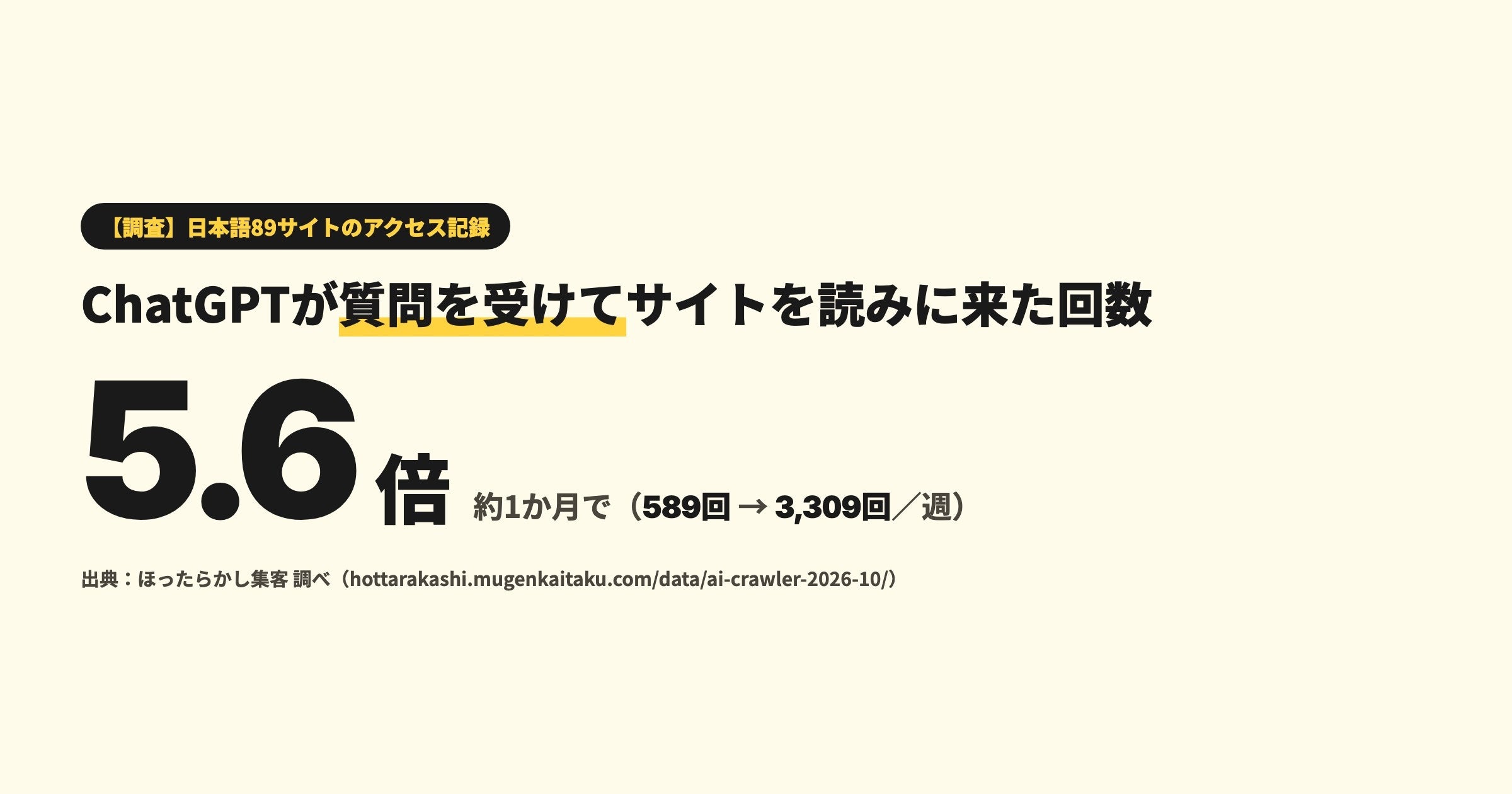
Across 89 Japanese-language sites run by Mugenkaitaku, ChatGPT-User visits rose from 589 in the week of Sept 3…
Uravation began offering a 6-hour hands-on course built on the emergency PHP release of 2026年10月21日, with AI a…

Nvidia said it will invest $3 billion in Meta Platforms' recent equity offering, part of an expanded partnersh…

Impress released "3-Gyo de Fukabori!

OpenAI launched GPT-6.1 Terra for ChatGPT Work and Codex Plus, Pro, Enterprise and Edu users

Anthropic filed its S-1 with the SEC on Oct 26, 2026, planning to list Class A common stock on Nasdaq under th…