What happened
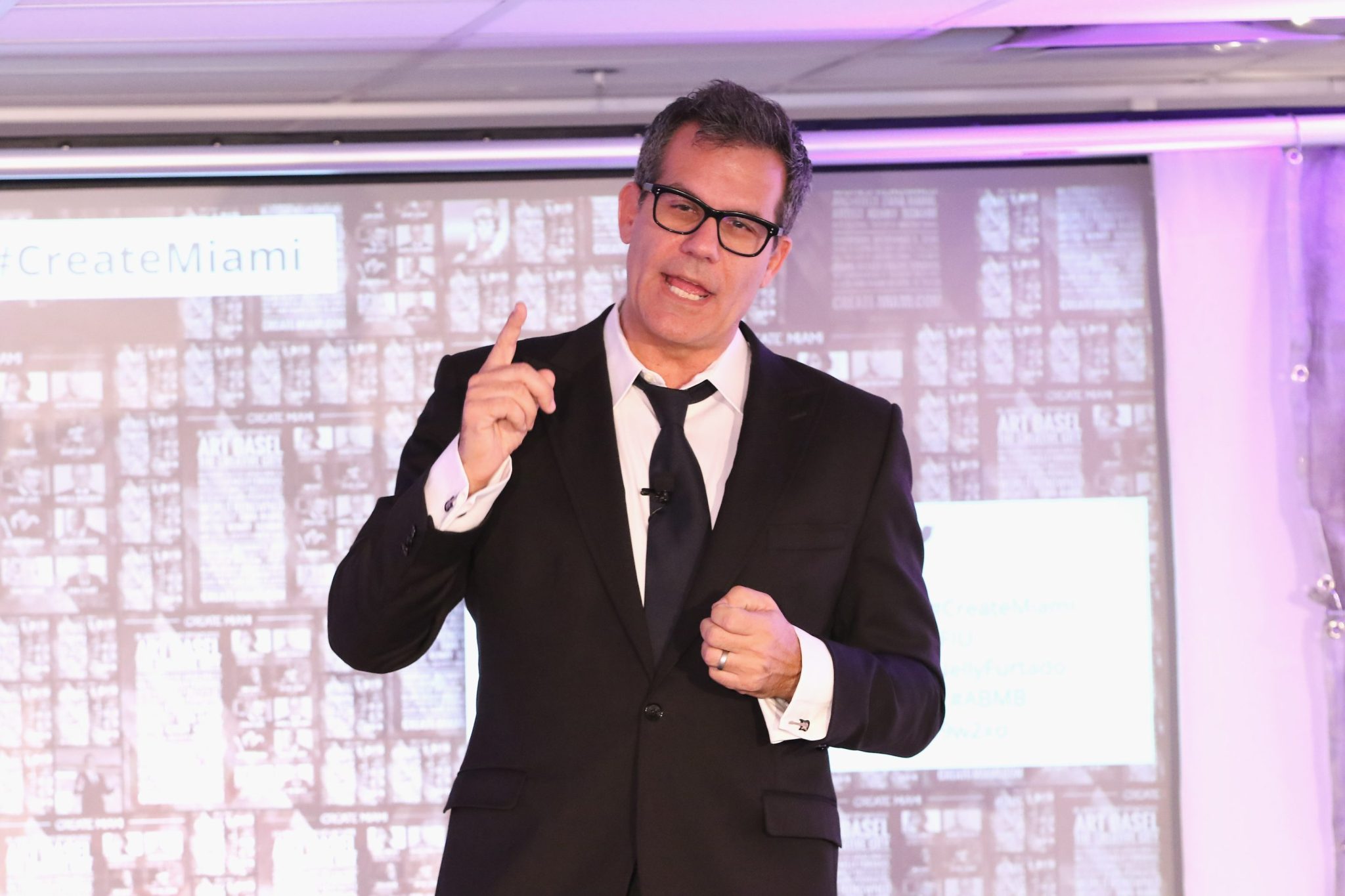
Richard Florida, who coined "the creative class," told Fortune that AI will not eliminate creative jobs, even though three creative sectors lost roughly 189,000 jobs, with film and sound recording down 27%.
Why it matters
Florida divides work into manual, cognitive and human skills, arguing AI automates the first two while making judgment, taste and originality more valuable — likely concentrating such work in big cities.
What to watch
Florida acknowledges AI will hit entry-level "grind-out jobs" hard, and says the net effect is uncertain — "We don't know what the net will be, but the net's better."
WHO IT HITSCreative-industry workers and entry-level white-collar staff in fields like consulting, finance and media are most directly affected, as Florida argues their routine cognitive tasks are the easiest for AI to take over.
Summaries like this, in your inbox every morning.
The debate over AI's effect on white-collar work has produced dire predictions from Microsoft AI CEO Mustafa Suleyman, Ford CEO Jim Farley and Anthropic CEO Dario Amodei, who variously warned that most professional work, half of white-collar roles, or half of entry-level white-collar jobs could be automated. Against that backdrop, a Fortune review of BLS data found three creative sectors — film and sound recording, broadcasting and streaming, and newspaper, magazine and book publishing — lost roughly 189,000 jobs. Economist Joseph Politano went further, saying the country lost more than 200,000 creative-industry jobs over four years, calling it one of the worst stretches for media employment in modern U.S. history.
Florida's response rests on a different reading of the same evidence. He divides work into manual, cognitive and human-skills categories, arguing AI automates the first two while making the third more valuable. He points to employment in performing arts and spectator sports growing by about 67,000 jobs over the same four years, and to New York's mix of neighborhoods where the creative class and service class live together. He also acknowledges revising his own earlier thinking: he says he minimized the importance of entertainment and spectacle in downtowns, which now need sports teams and venues as people go downtown for fun rather than work.
Even Florida concedes AI will hit entry-level "grind-out jobs" hard, and says the net effect of AI on work is unknown. The stakes for creative and entry-level white-collar workers may hinge on whether the jobs that grow — those requiring judgment, taste and originality — can absorb those displaced from routine cognitive tasks, or whether the losses Politano describes continue.
Pick your industry and the AI tools you use, and get news related to your work every day.
Free · 30 seconds with Google · unsubscribe anytimeWhat is AIToday? →
Ask AI anything about this article. The AI reads this article, earlier AIToday articles, and Wikipedia, and cites its sources. Q&As are published on this page for other readers too.
Talkdesk's survey of 252 director-level-and-above leaders found 98% use some form of AI in customer experience…

Ben Thompson wrote that Meta's new Meta Enterprise Platform "won't work" and is "a distraction from the bigges…
Broadcom is reportedly raising $60 billion to fund chips for Anthropic, on top of a loan of up to $42 billion…

Meta is letting go of employees it hired from AI safety startup Virtue AI, four months after they joined in Ju…

Bain & Company found the industry's compute demand will require $6 trillion in annual revenue by 2031, includi…

Instinct, a year-old San Francisco startup building a personal AI assistant for everyday tasks, raised $1 bill…