
What happened
Open-source AI models including DeepSeek R1, GLM-4.6, GLM-5.2, Kimi K3, and others have reached equivalency with closed frontier models, though closed systems like GPT-5.2 and Opus continue to create step-change advances. Recent releases include Moonshot's Kimi K3 (2.8T parameters, July 16), Alibaba's Qwen 3.8 preview (2.4T, July 19), and DeepSeek V4's mid-July graduation from preview.
Why it matters
Open models run approximately 15% cheaper than GPT-5.2 at median frontier quality, with DeepSeek V4 Flash roughly 90% cheaper. This pricing pressure is reshaping industry margins—Anthropic is reaching its first profitable quarter—while competition has driven OpenAI to cut inference costs by 50% and spurred architectural innovation like Kimi's new KDA attention mechanism.
What to watch
The industry is cycling between closed models pulling ahead and open models catching up, potentially creating sustained competitive pressure on pricing and margins. The question of whether this dynamic will slow innovation or accelerate it through competition remains central to how fast the AI wave advances.
Summaries like this, in your inbox every morning.
The competition between open-weight and closed AI models has entered a new phase. While closed models like GPT-5.2 and Opus continue to achieve step-change breakthroughs—most recently through architectural improvements and Blackwell-trained systems starting in 2026—open-source labs have narrowed the gap substantially. DeepSeek R1 marked a watershed moment analogous to ChatGPT's impact, and since then open and closed systems have raced nearly side-by-side. However, open-source has not yet taken an outright lead; rather, the industry is settling into a repeating cycle in which closed labs pull ahead, open models rapidly commoditize to catch up, and the whole market accelerates.
The economic pressures created by this cycle are profound. Open models' 15% cost advantage over frontier closed systems, and DeepSeek V4 Flash's 90% cost reduction, are compressing margins industry-wide—a dynamic Anthropic is navigating as it reaches profitability. Competition has already forced OpenAI to cut inference costs by 50%, while open-source innovations like Kimi's KDA attention architecture spur closed labs to innovate in response. The body notes that this competitive dynamic may be essential to the industry's forward momentum: rather than slowing innovation, competition tends to accelerate it.
Pick your industry and the AI tools you use, and get news related to your work every day.
Free · 30 seconds with Google · unsubscribe anytimeWhat is AIToday? →
Ask AI anything about this article. The AI reads this article, earlier AIToday articles, and Wikipedia, and cites its sources. Q&As are published on this page for other readers too.
ElevenLabs completed a $300 million employee tender at a $22 billion valuation, and co-founder Mati Staniszews…
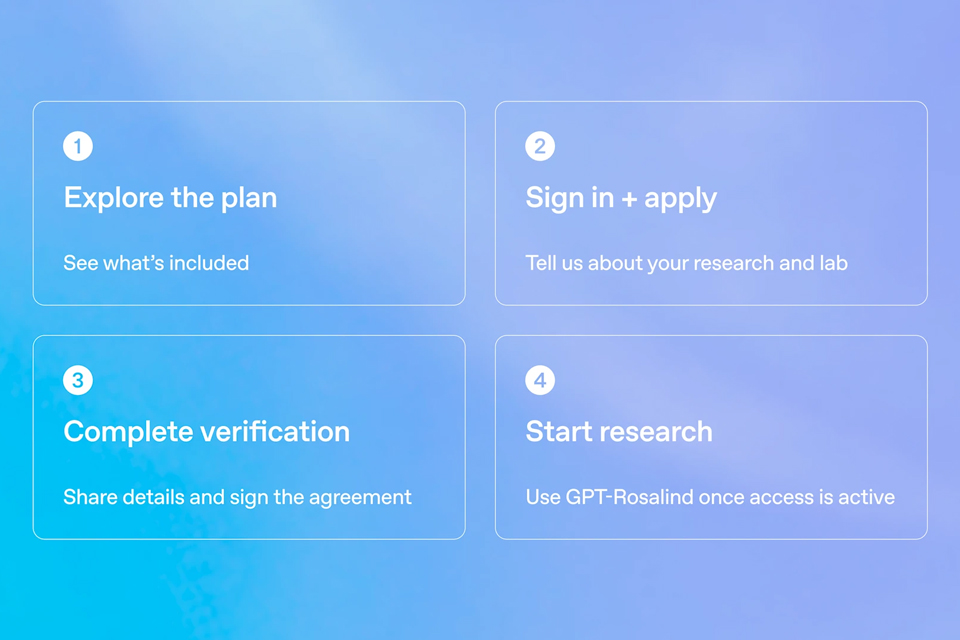
On October 15, OpenAI announced the Rosalind Academic Plan, giving approved US university labs free access to…
A Qiita article compared automated red-teaming methods for LLM apps — GCG, PAIR, and TAP — using mock implemen…

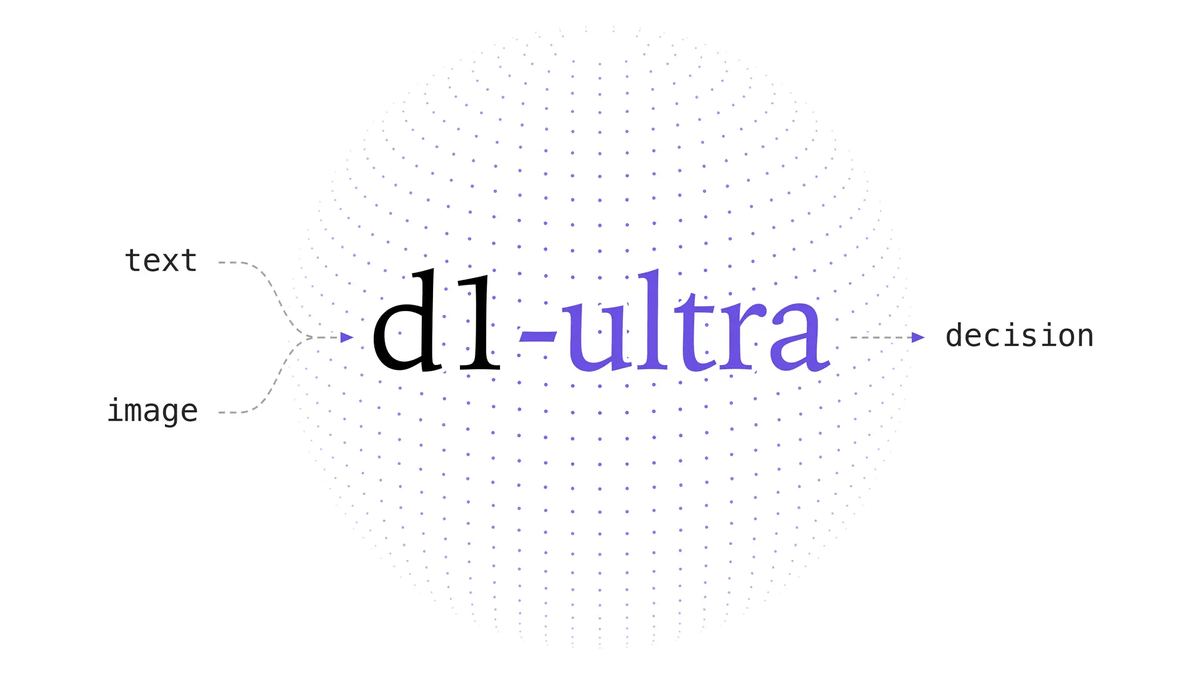
Liquid AI released d1-ultra on October 15, 2026, an upgraded open-weights decision model that averaged 76.7 ac…
Circlia started a proof-of-concept for TASTE SIGNAL: visitors to Holland Village Cafe FUKUOKA taste cookies an…

In a webinar hosted by French Mathematical Society president Isabelle Gallagher, Fields Medal winner Hugo Dumi…

