What happened
Microsoft plans to expand its use of AMD AI chips in Azure cloud services, centered on AMD's Helios platform scheduled to ship in the second half of 2026. AMD CEO Lisa Su called the partnership a major milestone, while Microsoft CEO Satya Nadella said customers need more choices for AI infrastructure. Anthropic (maker of Claude) is also testing AMD hardware, with AMD according to SemiAnalysis giving Anthropic its highest priority rating alongside major customers like Meta.
Why it matters
Nvidia still has considerable pricing power, but it faces growing competition from AMD and custom TPUs made by other companies. Microsoft's move signals that major cloud providers and AI companies are no longer willing to rely solely on Nvidia for AI infrastructure, which may alter the economics of AI deployment. For businesses using Azure or considering alternatives, this means more vendor options and potentially greater influence over pricing and terms.
What to watch
AMD's upcoming "Advancing AI" conference, where the company may confirm the Anthropic partnership if its engineering team resolves remaining concerns about software quality. Helios is scheduled to ship in the second half of 2026. OpenAI also has an existing partnership with AMD.
Summaries like this, in your inbox every morning.
Nvidia's position as the near-monopoly supplier of AI chips to cloud providers and AI companies is beginning to crack. Microsoft's expanded partnership with AMD signals that major customers are actively seeking alternatives, driven partly by Nvidia's pricing power and partly by the desire for vendor choice and supply-chain resilience. The Helios platform represents AMD's most concrete challenge to Nvidia in the hyperscaler market—a category where AMD has historically struggled.
The Anthropic situation adds weight to this trend. According to SemiAnalysis, AMD has given Anthropic its highest priority rating, placing the AI startup on the same tier as established major customers like Meta. This suggests AMD sees significant opportunity in AI companies themselves, not just cloud providers. The fact that Anthropic is still in testing and that a formal announcement may come only after software quality concerns are resolved indicates that AMD still faces hurdles—but the partnership's existence at all is noteworthy given the historical difficulty of displacing Nvidia in performance-critical workloads.
Pick your industry and the AI tools you use, and get news related to your work every day.
Free · 30 seconds with Google · unsubscribe anytimeWhat is AIToday? →
Ask AI anything about this article. The AI reads this article, earlier AIToday articles, and Wikipedia, and cites its sources. Q&As are published on this page for other readers too.
In Q2, billionaires or their funds sold six 'Magnificent Seven' AI stocks

Nvidia was rising early Friday, even as the wider chip sector kept falling, Barron's reported
ElevenLabs completed a $300 million employee tender at a $22 billion valuation, and co-founder Mati Staniszews…

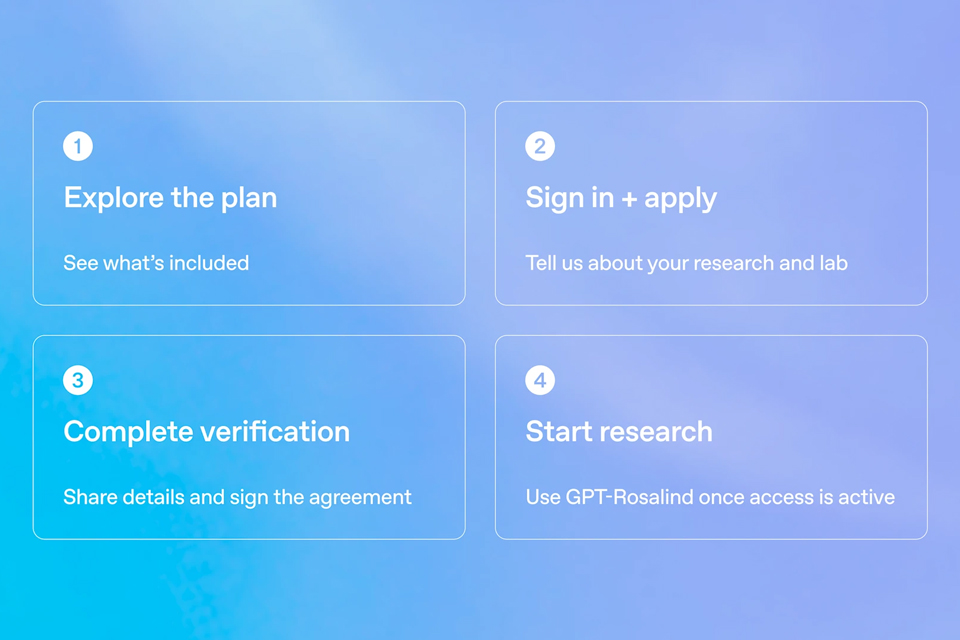
On October 15, OpenAI announced the Rosalind Academic Plan, giving approved US university labs free access to…
Neostellar Capital principal Evan Schlossman said CoreWeave's $103.7 billion in remaining performance obligati…
Supermicro Computer appointed Mark Long as chief financial officer, bringing an experienced technology finance…