What happened
MiniMax released the weights of its H3 video model, a 33-billion-parameter model that processes text, images, video, and audio together. Artificial Analysis ranks H3 first in Video Editing, second in Text-to-Video, and third in Image-to-Video — marking the first time an open model has topped a video ranking.
Why it matters
The open release allows developers to fine-tune H3 on custom footage, characters, or visual styles locally, though the highest resolution available to users (768p in ComfyUI) falls short of the closed 2K module MiniMax retained. Commercial use is restricted to companies earning under $20 million in revenue, which limits adoption among larger enterprises.
What to watch
H3 generates four- to 15-second clips with stereo sound and accepts up to nine reference images, three video clips, and three audio clips in a single prompt. ByteDance released its closed Seedance 2.5 the same day, which generates 30-second clips with built-in audio.
Summaries like this, in your inbox every morning.
MiniMax's H3 release marks a significant milestone in open-source AI video generation: for the first time, an openly available model ranks at the top of a professional benchmark. Artificial Analysis places H3 first in Video Editing, ahead of both proprietary systems and prior open models, signaling that the performance gap between closed and open video generation is narrowing. The model's multimodal architecture — accepting text, images, video, and audio as inputs — reflects the direction of the broader AI field toward unified input handling.
However, the open release comes with notable limitations that preserve MiniMax's commercial advantages. The 2K resolution module and the H3-Context-IR system, which structures prompts and reference material for the model, remain proprietary. Users running H3 locally are constrained to 768p output and must manually prepare context using published guides. The revenue cap on commercial use ($20 million) further restricts enterprise adoption. These constraints suggest MiniMax views the open release as a way to build developer mindshare and fine-tuning flexibility while protecting higher-margin closed offerings. On the same day, ByteDance's closed Seedance 2.5 — which generates longer 30-second clips — underscores that the competitive landscape remains split between open and proprietary systems, each optimizing for different trade-offs.
Pick your industry and the AI tools you use, and get news related to your work every day.
Free · 30 seconds with Google · unsubscribe anytimeWhat is AIToday? →
Ask AI anything about this article. The AI reads this article, earlier AIToday articles, and Wikipedia, and cites its sources. Q&As are published on this page for other readers too.
Vercel data published Thursday shows TypeSafe AI's Jev, a lightweight decision model for choosing among predet…

Reflection AI introduced Beam, an open-weight model for agentic coding and long-horizon tasks, with 501 billio…
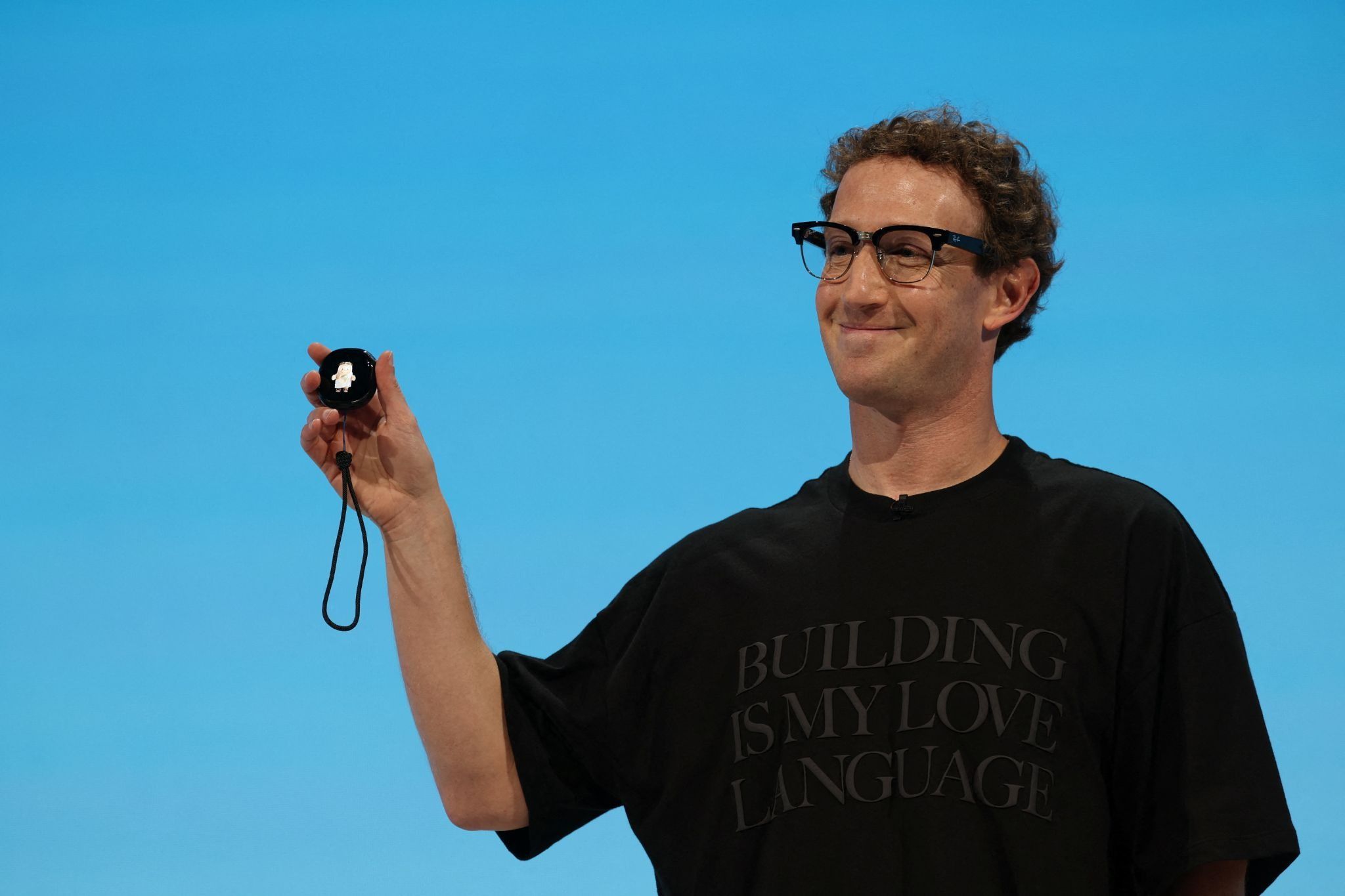
Apple and Meta said they would jointly release a new open-weight AI model designed to run on high-end Macs, ai…
Liquid AI released d1-ultra on October 15, 2026, an upgraded open-weights decision model that averaged 76.7 ac…
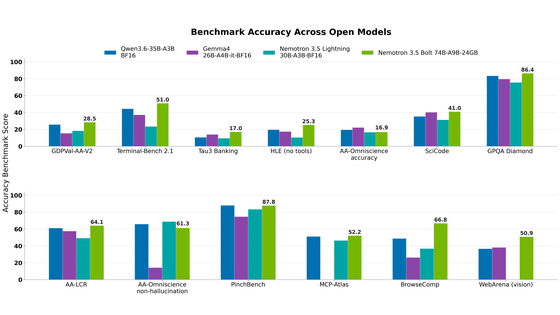
NVIDIA released Nemotron 3.5 Super VL, an open-weight model with 120 billion parameters that handles text, ima…

NVIDIA released Nemotron 3.5 Bolt 74B-A9B 24GB, an AI model for local agents that hits over 80 tokens per seco…