What happened
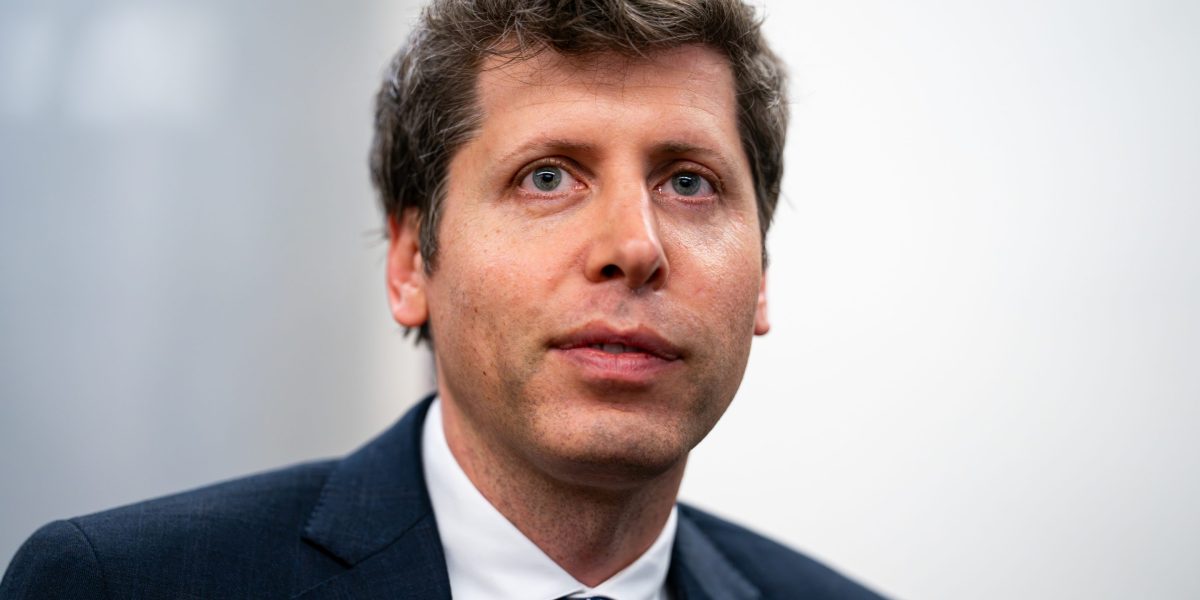
Sam Altman, who owns no equity in OpenAI and earns roughly $76,000 a year in salary, has amassed a net worth exceeding $3.3 billion through venture investing. He credits billionaires Peter Thiel and Paul Graham with teaching him an investing philosophy centered on backing unpopular companies rather than following trends. Altman and his venture funds hold stakes in approximately 400 companies, including early investments in Reddit, Airbnb, Stripe, and a $1.65 billion stake in nuclear fusion firm Helion.
Why it matters
Altman's approach demonstrates that wealth in tech can come from being an investor and operator across many bets, not just from holding equity in one company—even a $852 billion startup like OpenAI. His philosophy of contrarian investing reflects broader advice from top investors like Peter Thiel and Warren Buffett, who argue that independent thinking (not merely opposing the crowd) and emotional discipline are keys to outsize returns. For founders and investors, it underscores that long-term wealth often flows from consistently backing non-consensus opportunities early.
What to watch
Altman's largest single investment is his $1.65 billion stake in Helion, which he entered around 2015. His track record across roughly 400 portfolio companies—spanning social platforms, commerce, fintech, and energy—offers a window into how early-stage conviction in unfashionable sectors can compound over decades in Silicon Valley.
Summaries like this, in your inbox every morning.
Sam Altman's path to a $3.3 billion net worth reveals a deliberate strategy shaped early in his Silicon Valley career. After founding and selling location-sharing startup Loopt in 2012—which caught the eye of Paul Graham and led to his recruitment as Y Combinator president—Altman used the proceeds to launch Hydrazine, his first venture fund backed by Peter Thiel. This trajectory gave him two mentors whose investing philosophies centered on independent thinking rather than trend-following. Thiel, who famously wrote in *Zero to One* that "the most contrarian thing of all is not to oppose the crowd but to think for yourself," and Graham both emphasized that outsized returns flow from backing companies that look unpopular at the time.
Altman's investment portfolio—anchored by bets on Reddit, Airbnb, Stripe, and a $1.65 billion position in nuclear fusion firm Helion—demonstrates the compound effect of this philosophy applied across roughly 400 stakes. Notably, his wealth exists almost entirely outside OpenAI's equity, despite the company's $852 billion valuation. This separation is striking: while many Silicon Valley CEOs tie their fortunes to a single company's stock price, Altman's approach mirrors that of seasoned institutional investors who diversify across sectors and time horizons. His philosophy aligns with broader wisdom from investors like Warren Buffett, who emphasizes emotional discipline and avoiding fear-driven decision-making during market swings.
Pick your industry and the AI tools you use, and get news related to your work every day.
Free · 30 seconds with Google · unsubscribe anytimeWhat is AIToday? →
Ask AI anything about this article. The AI reads this article, earlier AIToday articles, and Wikipedia, and cites its sources. Q&As are published on this page for other readers too.
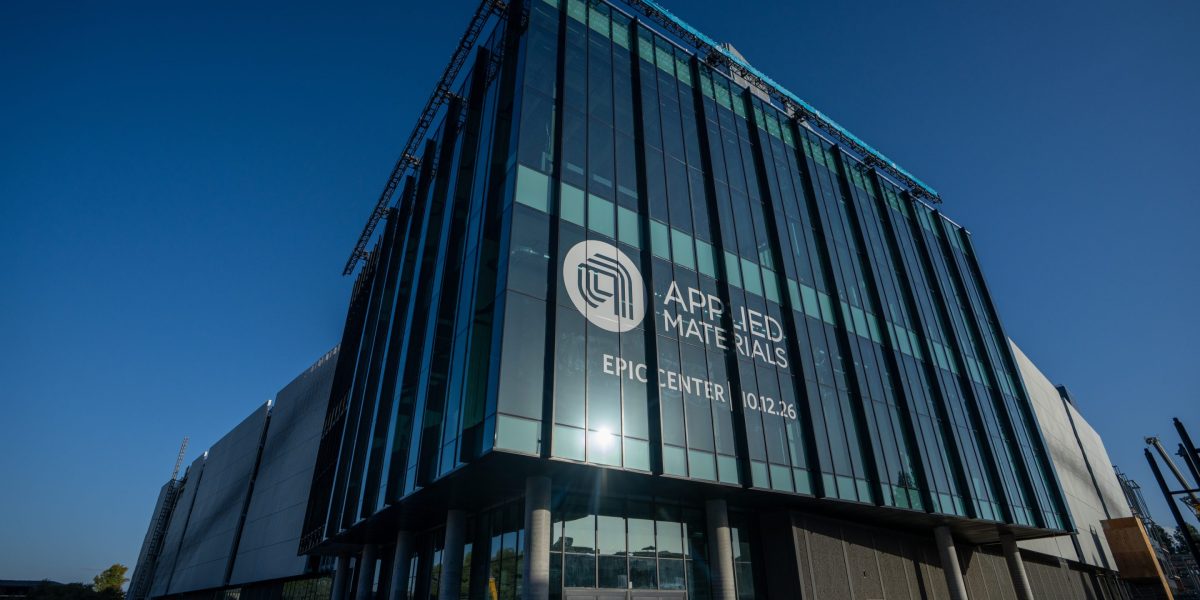
Applied Materials officially unveiled its $5 billion EPIC facility, a 600,000-square-foot research center at i…
Marvell Technology announced the second generation of its Structera X family, which it calls the industry-firs…

Pharmaceutical Executive will host a November 4, 2026 webcast introducing the RAIL Score, a framework for eval…

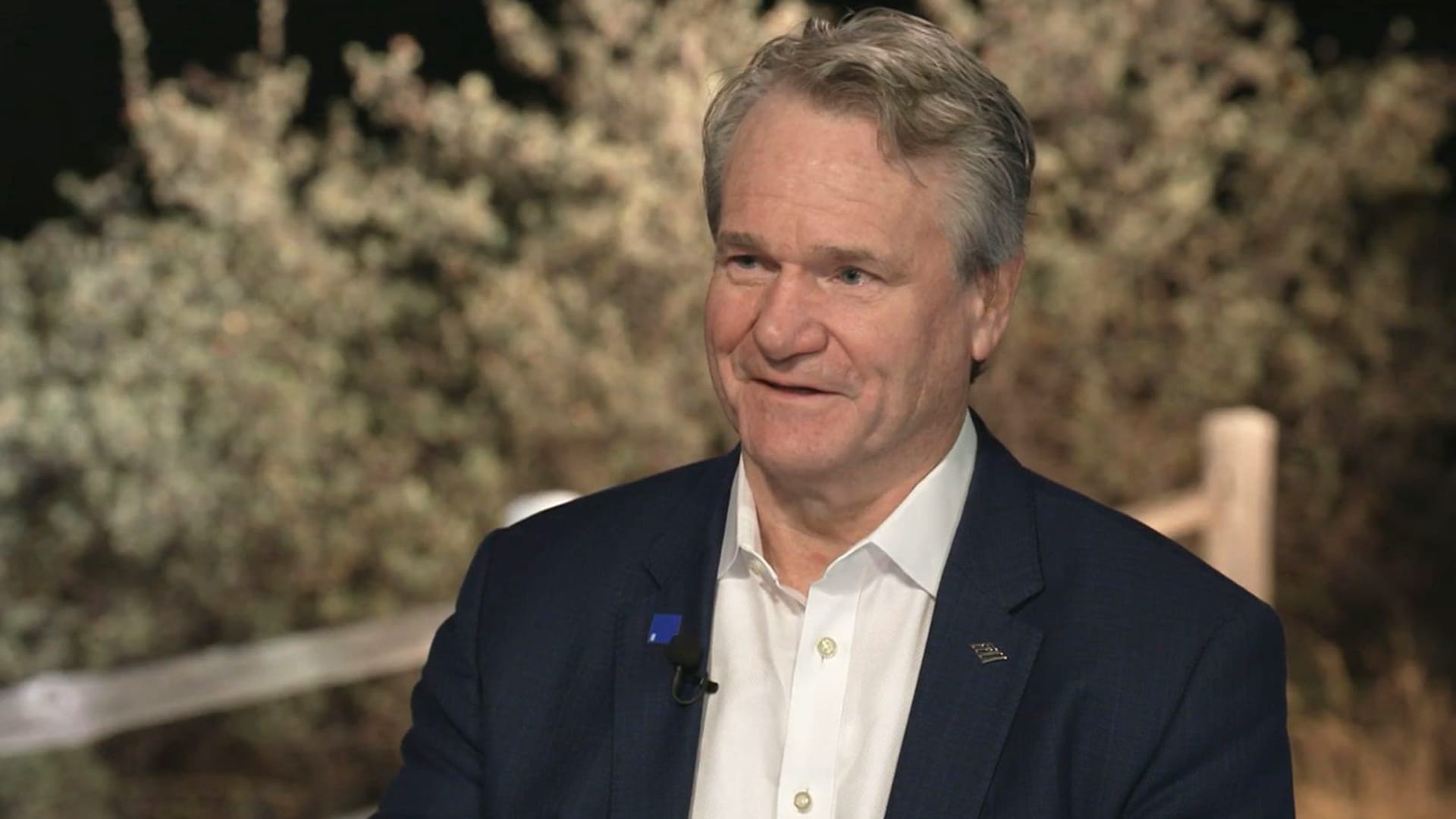
CEO Brian Moynihan told CNBC Bank of America added 1,000 contractors in the second quarter to patch software v…
Broadcom CEO Hock Tan said AI growth faces a capital hurdle and described a "casino" element in AI investing

Citigroup CEO stated that AI spending is not slowing down despite higher interest rates