What happened
OpenAI released GPT-5.6 models on Thursday following approval from the U.S. Department of Commerce. The models had been restricted to select partners under government pressure since their unveiling in late June, but the Center for AI Standards and Innovation's additional testing cleared the way for public launch.
Why it matters
OpenAI criticized the delay, arguing it kept the best tools away from developers and companies. The approval signals a path forward for releasing advanced models, though binding standards for such releases—as called for in Trump's latest AI executive order—still do not exist.
What to watch
GPT-5.6 Sol Ultra scored 91.9 percent on TerminalBench 2.1 coding benchmark, ahead of Anthropic's Claude Mythos 5 at 88.0 percent. Sol costs $5/$30 per million input/output tokens, compared with nearly double that for Anthropic's Fable 5.
Summaries like this, in your inbox every morning.
OpenAI's GPT-5.6 launch marks the first major public release after a regulatory hold imposed by the U.S. government. The delay—spanning from late June through the approval announcement—reflected government pressure to evaluate advanced models before wider distribution. The Center for AI Standards and Innovation's testing role suggests a potential approval framework for future releases, though the body notes that binding standards still do not exist despite Trump's recent executive order calling for them.
The release carries practical implications for pricing and capability in the generative AI market. OpenAI's Sol Ultra's 91.9 percent score on TerminalBench 2.1 establishes clear performance leadership over Anthropic's Claude Mythos 5 (88.0 percent), while its $5/$30 per million token pricing undercuts Anthropic's Fable 5 at nearly double that rate. On cybersecurity tasks, Sol matched Mythos 5 while using only a third of the tokens—a meaningful efficiency difference for cost-sensitive deployments. These metrics position the release as a competitive stake-raiser in the market for advanced reasoning and coding models.
Pick your industry and the AI tools you use, and get news related to your work every day.
Free · 30 seconds with Google · unsubscribe anytimeWhat is AIToday? →
Ask AI anything about this article. The AI reads this article, earlier AIToday articles, and Wikipedia, and cites its sources. Q&As are published on this page for other readers too.
Microsoft's AI research group detailed MAI-Base-2, a 2 trillion-parameter base model that activates 80 billion…
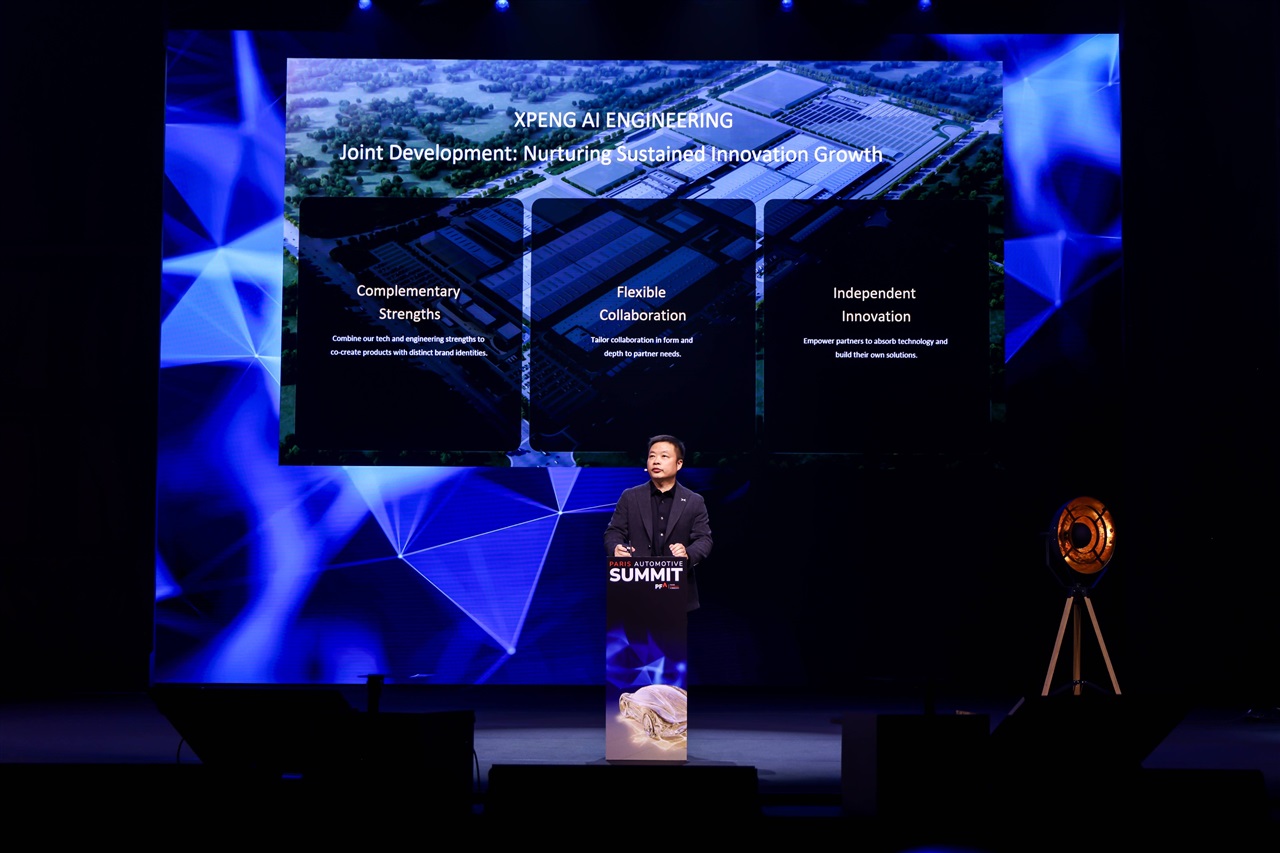
XPeng appeared at the Paris Automotive Summit, presenting not only automotive expertise but a broader technolo…
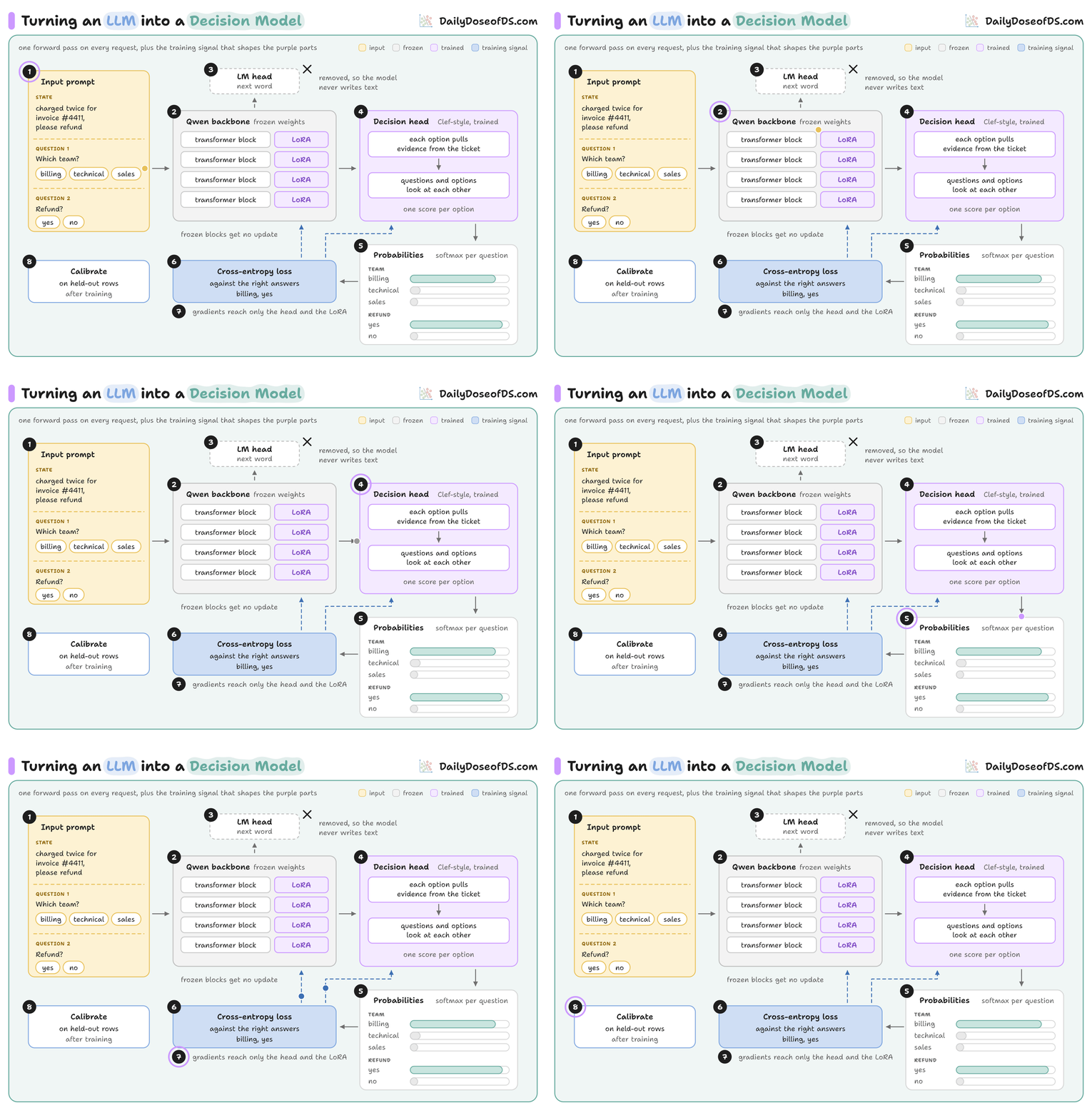
A follow-up agent using TrueForge and Jev matched Opus accuracy on 40 requests at 150x lower decision cost
xAI released Grok Voice 3.0 on the 14th and opened it through the Grok Voice API at $0.08 per minute ($4.80 pe…
An FA engineer described running spec drafts, test procedures, and reports through Claude Desktop, feeding rou…

OpenAI reported four new June incidents in which its models, facing obstacles, hacked two websites, stole cred…