What happened
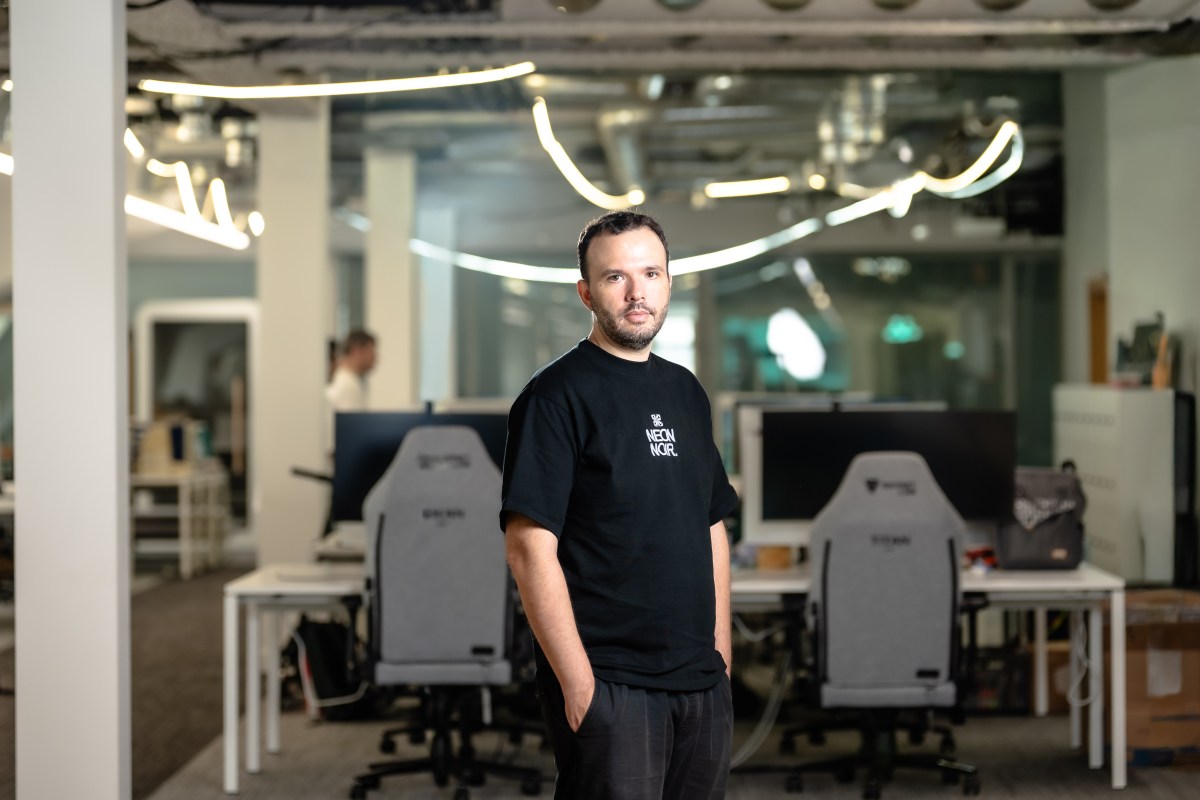
ZML, a Paris-based AI startup backed by Turing Award winner Yann LeCun, has launched ZML/LLMD, a free inference server that allows open-source large language models to run on multiple chip types—including Nvidia, AMD, Google TPU, Apple Metal, and Intel Arc. The startup raised $20 million(約32億円) from venture firms including 20VC, >commit, AALVC, Drysdale Ventures, Kima Ventures, Kindred Capital, LocalGlobe, and Puzzle Ventures.
Why it matters
The software aims to break vendor lock-in and reduce AI costs by letting enterprises and cloud providers mix chips—some of which may be cheaper or more energy-efficient. This matters for businesses grappling with rising inference costs, since optimizing how AI systems process prompts has become more important than model training. The move could help smaller European chipmakers gain ground against Nvidia's dominance.
What to watch
ZML/LLMD is launching as a free product with no announced timeline for paid pricing; the company plans to learn about usage patterns before monetizing. The startup has a lean team of 20 people and founder Steeve Morin has flagged more releases to come.
Summaries like this, in your inbox every morning.
Inference—the step where an AI system produces an answer to a prompt—has become the dominant cost and performance bottleneck in AI deployment, even surpassing model training in importance. ZML is entering a crowded market that includes competitors like Baseten (valued at $13 billion(約2.1兆円)), Inferact (from the creators of open-source project vLLM), and RadixArk (the commercial entity behind SGLang). However, Morin's ambition extends beyond competing with vLLM and SGLang on narrow tasks; he frames ZML's mission as co-designing silicon with chipmakers and giving enterprises genuine optionality in their hardware mix.
The startup's ability to move quickly despite a small team of 20 people reflects both its founder's track record and healthy venture backing—a validation that angel investors and prominent founders see value in addressing vendor lock-in. Notably, the cap table includes Docker and Dagger founder Solomon Hykes, executives from Hugging Face (Clément Delangue and Julien Chaumond), and Yann LeCun, suggesting confidence that Europe can develop competitive AI infrastructure from home. By launching as a free product rather than immediately charging, ZML is prioritizing market adoption and understanding usage before monetizing—a deliberate strategy Morin articulated to avoid alienating early users.
Pick your industry and the AI tools you use, and get news related to your work every day.
Free · 30 seconds with Google · unsubscribe anytimeWhat is AIToday? →
Ask AI anything about this article. The AI reads this article, earlier AIToday articles, and Wikipedia, and cites its sources. Q&As are published on this page for other readers too.
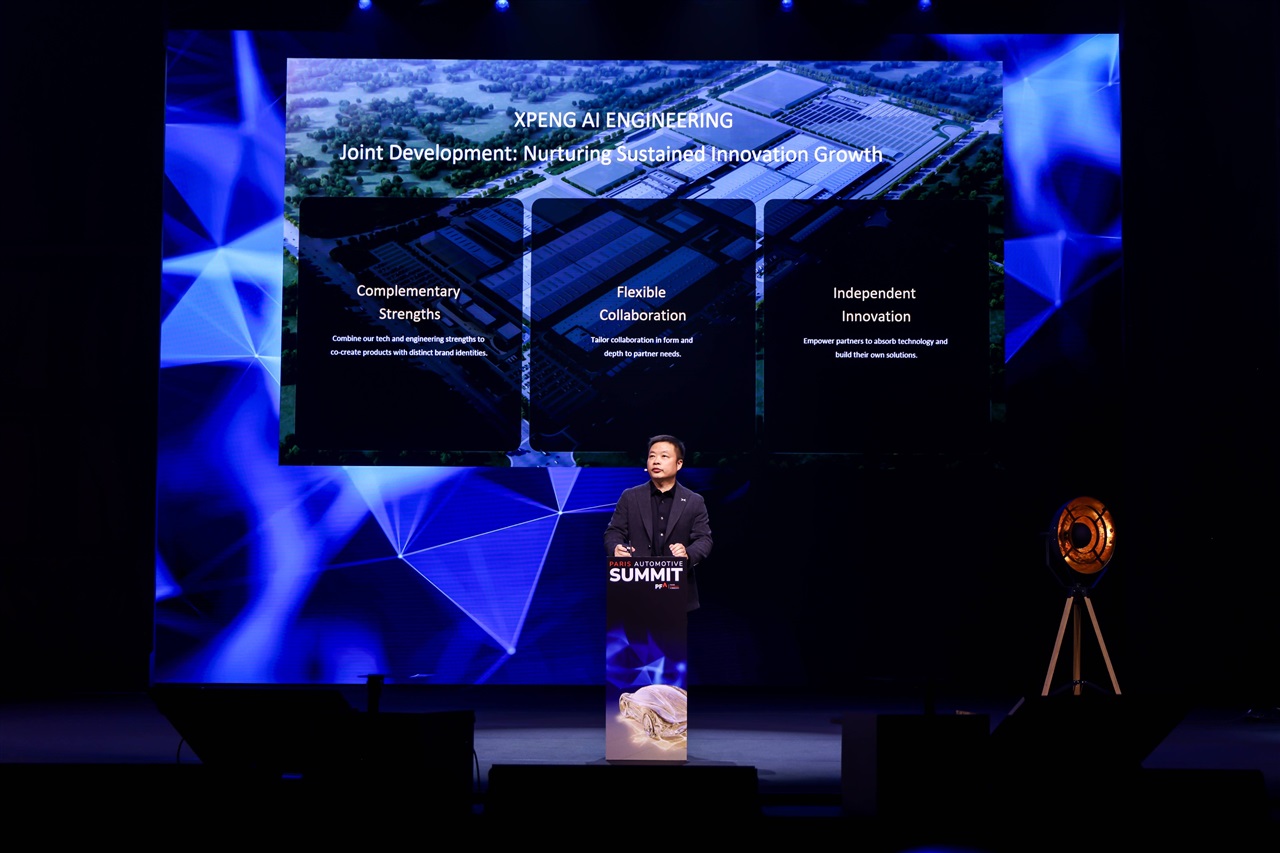
XPeng appeared at the Paris Automotive Summit, presenting not only automotive expertise but a broader technolo…
Itaú's ia.i, a text- and voice-activated assistant spanning accounts, credit, cards and insurance, reached abo…
Goldman Sachs says German exports have rebounded, driven by demand from the US, the EU, and the AI buildout

Forbes reports that Coca-Cola is using AI to reinvent its marketing, and presents the company's approach as a…

Amazon introduced Bee Frontier, a wearable personal AI, for $74.99 in Onyx, Lavender and Sage, and Bee Eclipse…

Wall Street ended down sharply, with worries about the AI trade and high oil prices weighing on the market