Springer Nature retracted a meta-analysis published in Humanities & Social Sciences Communications on May 6, 2025, that claimed ChatGPT has a large positive impact on student learning performance, moderately positive impact on learning perception, and fosters higher-order thinking. The publisher cited discrepancies in the analysis and lack of confidence in the conclusions.
The retracted paper analyzed results from 51 previous research studies to quantify the effect of ChatGPT on students' learning across experimental groups using ChatGPT and control groups that did not. Experts questioned whether sufficient high-quality studies on ChatGPT and learning could have been conducted in the roughly two and a half years since OpenAI released ChatGPT in November 2022.
Despite retraction, the paper accumulated 262 citations in Springer Nature peer-reviewed journals and 504 total citations from peer-reviewed and non-peer-reviewed sources. It also attracted nearly half a million readers and ranked in the 99th percentile for journal articles in attention score.
Ask the AI about this article →
For example, today's edition would include:
AI-summarized, only the topics you pick — one digest a day via Email, Slack, or Discord.
Free · takes 30 seconds · unsubscribe anytimeWhat is AIToday? →
Ask AI anything about this article. Q&As are published on this page for other readers too.
Google launched two large language models, Gemini 3.8 Flash and Gemini 3.8 Flash Cyber
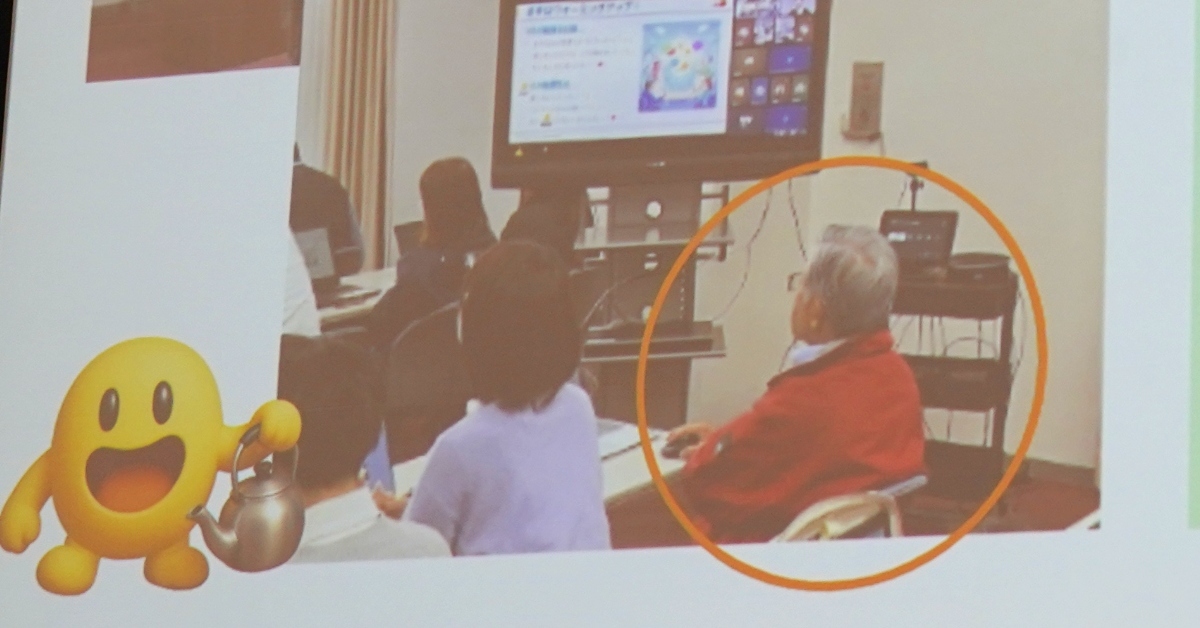
Marukai, a 108-year-old miso maker in Mie Prefecture, gave all 290 employees access to Google's AI, Gemini
Palo Alto Networks paid $500 million in cash and stock to acquire Console, a two-year-old startup that uses AI…
Interactive Brokers has begun connecting its platform with AI tools including ChatGPT, Claude, and Grok, and o…

Google has reportedly approached major studios such as Disney, Warner Bros

Qualcomm Technologies and HUMAIN launched Horizon Ultra, a next-generation AI PC, at LEAP 2026