What happened
Sandbar, maker of the private voice ring Stream, raised $36 million total to date, including a $23 million Series A led by Adjacent and Kindred Ventures.
Why it matters
The company is entering a growing market of AI wearables—rings, pendants, and transcribing earbuds—designed to capture notes and ideas without fumbling with phones or keyboards. Sandbar's co-founder and CEO Mina Fahmi argues that keeping users in control, rather than automating decision-making, is key to getting wearable tech adoption right after earlier voice hardware devices struggled to gain traction.
What to watch
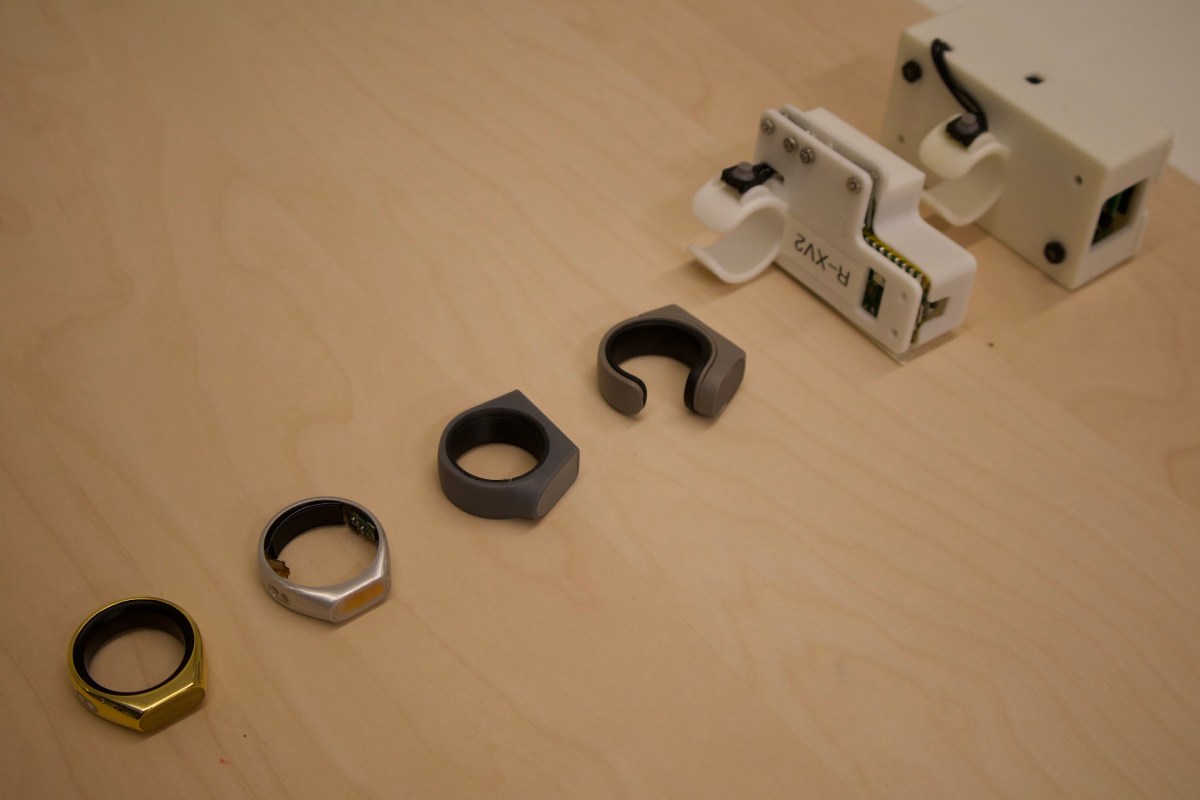
Stream is a private voice ring designed for capturing stray thoughts and ideas, part of a wave of wearables betting people want hands-free note capture throughout their day.
Summaries like this, in your inbox every morning.
The AI hardware market for note-capture has expanded significantly in recent years, with a range of wearables—from credit-card-sized devices to pendants, pins, and transcribing earbuds—all competing to turn meetings and moments into summaries and action items. Rings now represent the latest frontier in this space, with multiple companies betting that a form factor worn continuously on the hand can drive adoption of voice-controlled AI capture.
Sandbar's $23 million Series A reflects investor confidence in the voice-wearable segment. The company's strategic angle—emphasizing user control rather than full automation—appears to be a response to an earlier generation of voice hardware that failed to achieve mainstream adoption. Fahmi's reasoning suggests that design philosophy matters as much as technology: devices that let users decide what gets captured and acted upon may better address privacy and trust concerns that plagued previous voice-controlled hardware.
Pick your industry and the AI tools you use, and get news related to your work every day.
Free · 30 seconds with Google · unsubscribe anytimeWhat is AIToday? →
Ask AI anything about this article. The AI reads this article, earlier AIToday articles, and Wikipedia, and cites its sources. Q&As are published on this page for other readers too.
In Q2, billionaires or their funds sold six 'Magnificent Seven' AI stocks
Nvidia was rising early Friday, even as the wider chip sector kept falling, Barron's reported
ElevenLabs completed a $300 million employee tender at a $22 billion valuation, and co-founder Mati Staniszews…
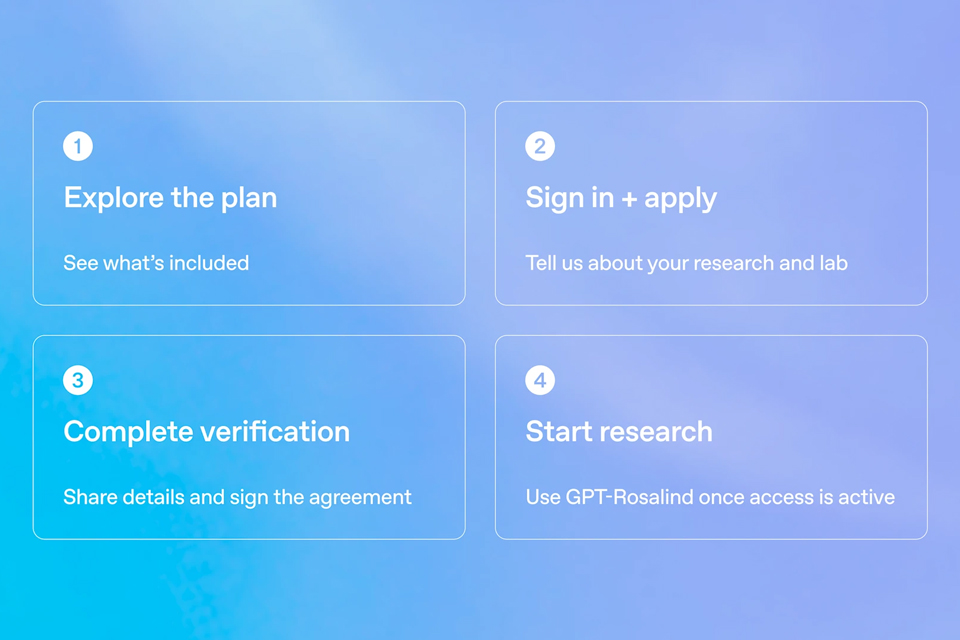
On October 15, OpenAI announced the Rosalind Academic Plan, giving approved US university labs free access to…
Neostellar Capital principal Evan Schlossman said CoreWeave's $103.7 billion in remaining performance obligati…
Supermicro Computer appointed Mark Long as chief financial officer, bringing an experienced technology finance…