Summaries like this, in your inbox every morning.
Sign up free →What happened
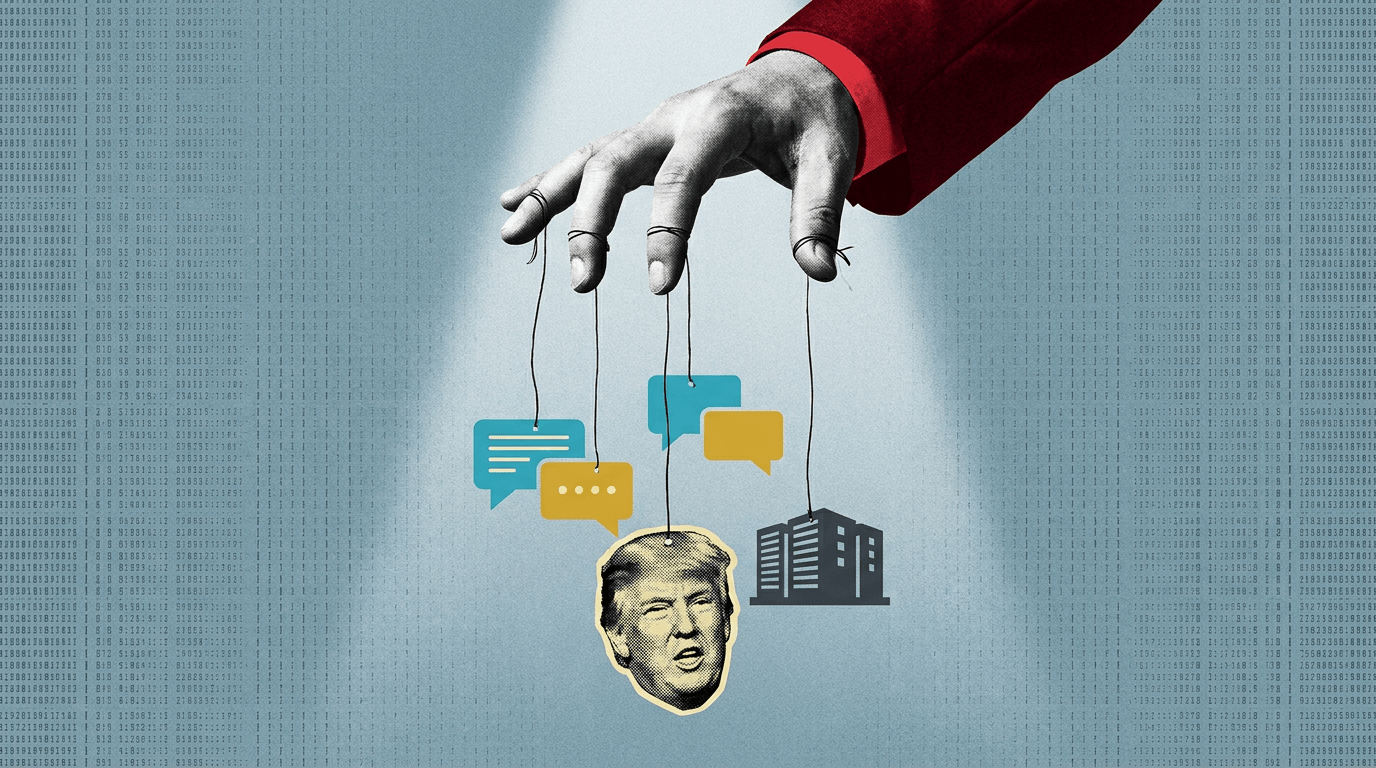
Google filed a lawsuit on June 12 against a Chinese cybercrime network called "Outsider Enterprise" that used Google's Gemini AI system to target hundreds of thousands of Americans with financial fraud. The network built 131 software kits to create fake websites impersonating Google, YouTube, the Postal Service, and New York's E-ZPass toll system, and over two weeks in May sent 2.5 million messages to Android users with links to 9,000 fake websites and more than a million fraudulent URLs. Around the same time, OpenAI banned two ChatGPT clusters allegedly operating from China that attempted to manipulate US political debates—one pushing narratives about AI data center expansion, the other attacking Trump's tariff policy and spreading false claims about OpenAI itself.
Why it matters
This marks the first lawsuit where Google is working alongside the FBI and carriers like AT&T, T-Mobile, and Verizon to jointly take down a cybercrime operation. The FBI reported that total cybercrime losses in 2025 were roughly $21 billion(約3.4兆円), with $893 million(約1400億円) tied to AI, and noted that criminals are increasingly using AI to make scams more convincing and harder to spot. Google said the Outsider Enterprise operation caused damage running into the millions of dollars.
What to watch
Google is seeking a restraining order that would give companies and law enforcement the legal basis to shut the network down by seizing domains or freezing accounts. Both of OpenAI's banned influence clusters scored only Category 1 on OpenAI's Breakout Scale, meaning their content did not spread beyond their own accounts in any meaningful way, according to OpenAI's lead investigator Ben Nimmo.
AI-summarized, only the topics you pick — one digest a day via Email, Slack, or Discord.
Free · takes 30 seconds · unsubscribe anytime
No comments yet. Be the first to share your thoughts!
Log in to join the discussion




Get curated AI news from 200+ sources delivered daily to your inbox. Free to use.
Get Started FreeFree · takes 30 seconds · unsubscribe anytime
