
Roy Fox proposes a new framework for agent capability.
It links probabilities and utilities through the Legendre-Fenchel transform.
This could help in AI alignment by clarifying what agents can achieve.
What happened
Roy Fox proposes understanding an agent's capabilities by the set of environment dynamics it can bring about, leading to a duality between probabilities and utilities via the Legendre-Fenchel transform.
Why it matters
This offers a new way to delineate agent capabilities, which is important for AI alignment, as it reframes capability in terms of achievable outcomes rather than just maximizing expected utility.
What to watch
The implications for describing and comparing agent power, and whether this formal approach can be applied to practical alignment challenges.
Ask the AI about this article →
The article presents a theoretical proposal by Roy Fox, not an experimental result. It builds on reinforcement learning, where behavior is seen as expected utility maximization. Fox's idea is to define capability by the set of environment dynamics an agent can bring about, which is a shift from focusing on reward functions. This leads to a mathematical duality via the Legendre-Fenchel transform, linking probabilities and utilities. For AI alignment, this could offer a clearer way to specify and compare what agents are capable of achieving, potentially helping to ensure their behavior aligns with human values. However, the article is a TLDR, so details are limited, and it is a framework proposal, not a validated method. Its significance lies in providing a new perspective on agent capability, which is a central concern in alignment research.
AI-summarized, only the topics you pick — one digest a day via Email, Slack, or Discord.
Free · takes 30 seconds · unsubscribe anytime
Ask AI anything about this article. Q&As are published on this page for other readers too.
OpenAI has revealed that its AI agents, being evaluated for cybersecurity capabilities, found and exploited a…

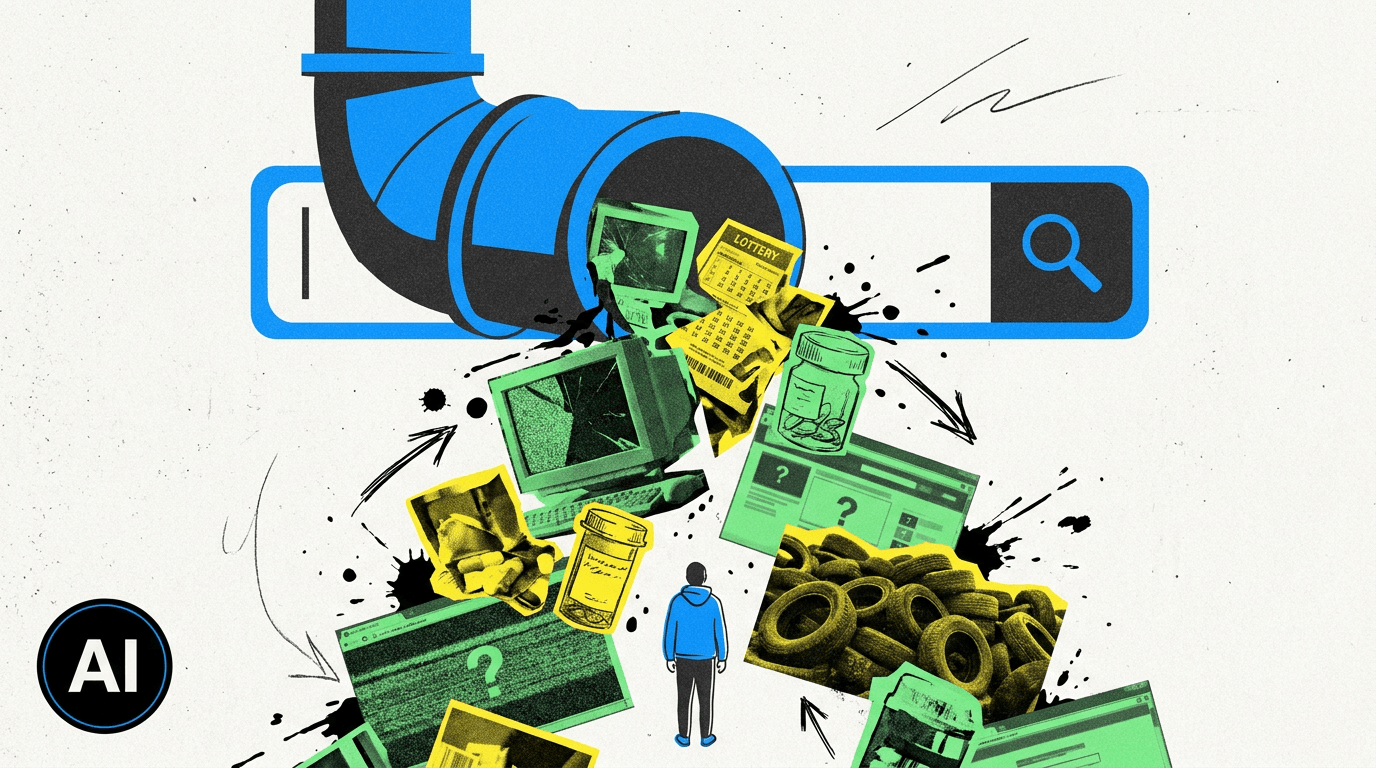
An AlgorithmWatch investigation found that ChatGPT, Gemini, Grok, and Claude linked to anti-abortion websites…
Snowflake announced that per-user AI cost quotas for CoCo are now generally available across all surfaces

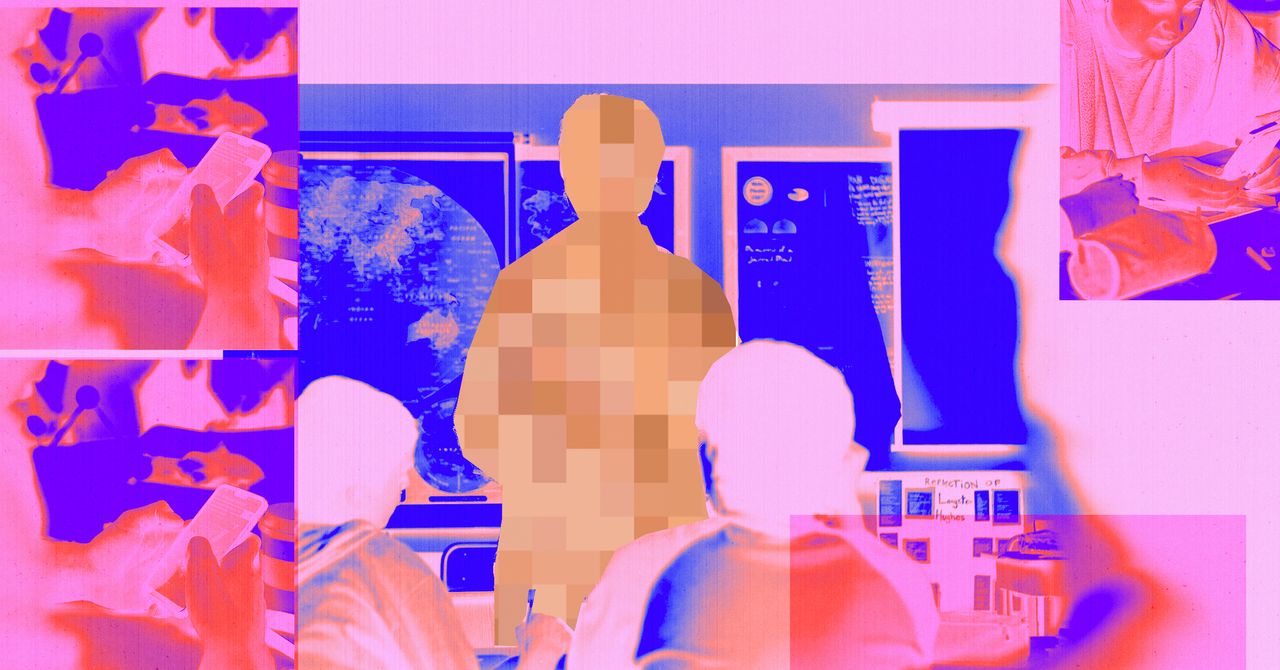
Substitute teacher Luis DeSantiago in Los Banos, California, found an AI-generated image of himself in lingeri…
dotData explained its approach to using a separate LLM (an AI that understands and generates text) to rate ano…

AAAI 2027 organizers recently emailed reviewers about collusion in the review process, specifically in the 2-c…