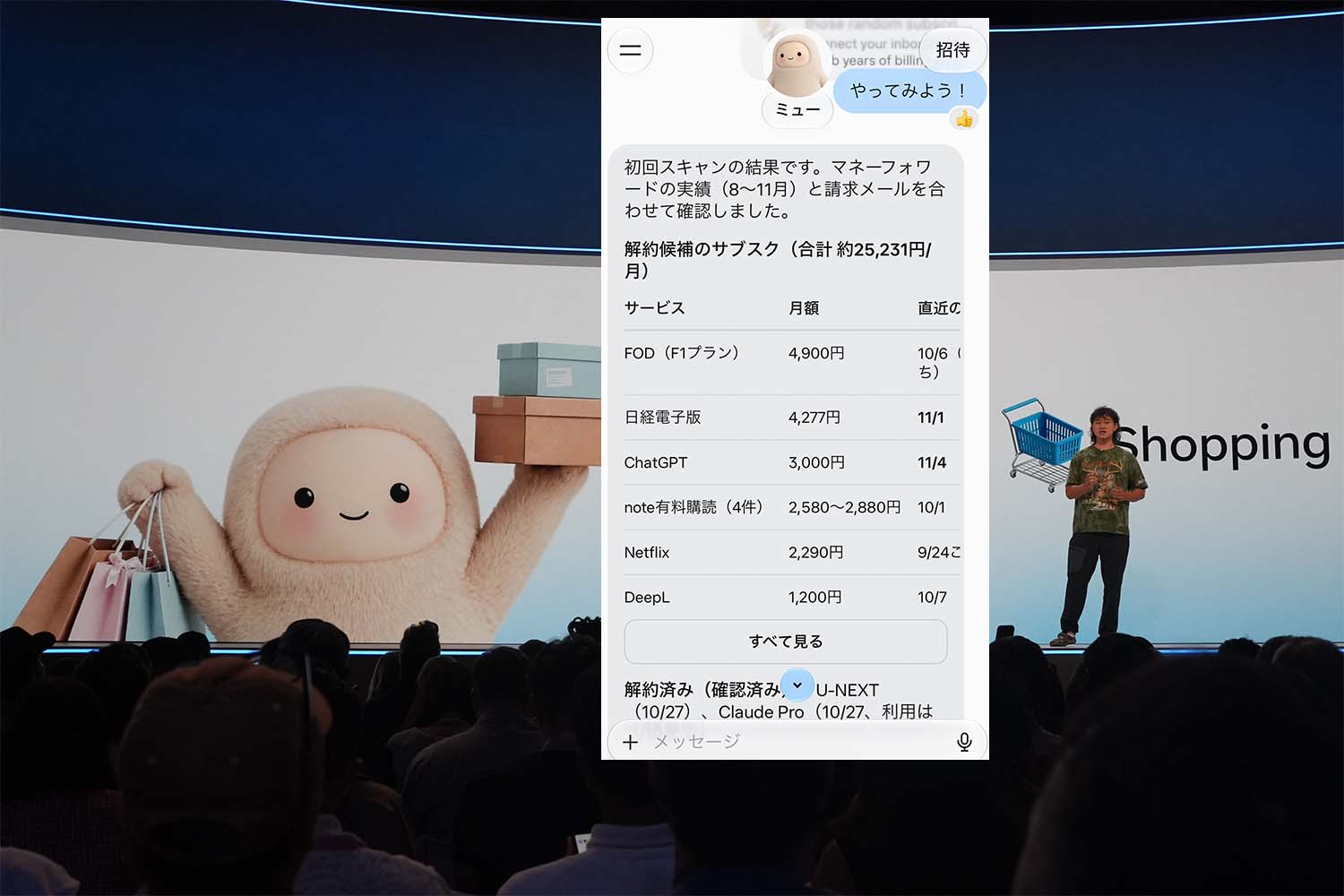
What happened
In his Watch Impress column, Nishida Sotokazu says Meta's Muse pushes subscription audits, cheapest electricity plans and shopping help, while Amazon's Alexa+ tracks prices and can order after confirmation.
Why it matters
If always-on agents reliably grab the lowest price, the price gaps and impulse-driven purchases that makers and retailers depend on shrink, and buying without AI help becomes relatively disadvantaged, per the column.
Summaries like this, every morning.
Nishida's starting point is that he has leaned on always-on agents for about two months and now mainly uses Meta's Muse, which he says is spreading quickly in Japan partly because it is free to start. What distinguishes Muse, in his account, is that the service itself proposes uses and then handles most of the work once asked. That matters for money because most people do not know what an AI can do or how to ask, so an agent that suggests subscription audits or plan switches is doing the prompting for them.
The column connects this to a longer history of automated transactions: stock and FX trading, real-time ad buying, and dynamic pricing for airline seats and hotel rooms already run on machines, and those work because systems exist to make the transactions safe. Meta has stressed Muse's links to shopping sites and payment providers such as Stripe's Link and PayPal, which Nishida reads as a way to avoid every merchant storing card data. He suggests letting an AI act through a payment provider, rather than handing it payment authority directly, could reduce risk as breaches expose personal data.
Beyond plumbing, the piece raises a market-structure question: prices embed costs, margins or promotional subsidy, and cheap moments exist because someone else buys at a higher price. If agents reliably buy at the lowest point, where do price differences come from, and does advertising-funded discounting still work when an AI, not a person, is choosing? For low-commitment staples — shampoo, tissues, sauce — purchases lean on habit and shelf visibility, which is what mass advertising and retail promotion are built to reinforce. Nishida expects AI recommendations to become a powerful purchase path, raising questions about how ads should be disclosed inside them, and he notes that sites banning automated buying will need sanctioned ways for agents to connect, plus fairness measures such as lotteries so people do not simply lose to software.
Pick your industry and the AI tools you use, and get news related to your work every day.
Free · 30 seconds with Google · unsubscribe anytimeWhat is AIToday? →
Ask AI anything about this article. The AI reads this article, earlier AIToday articles, and Wikipedia, and cites its sources. Q&As are published on this page for other readers too.
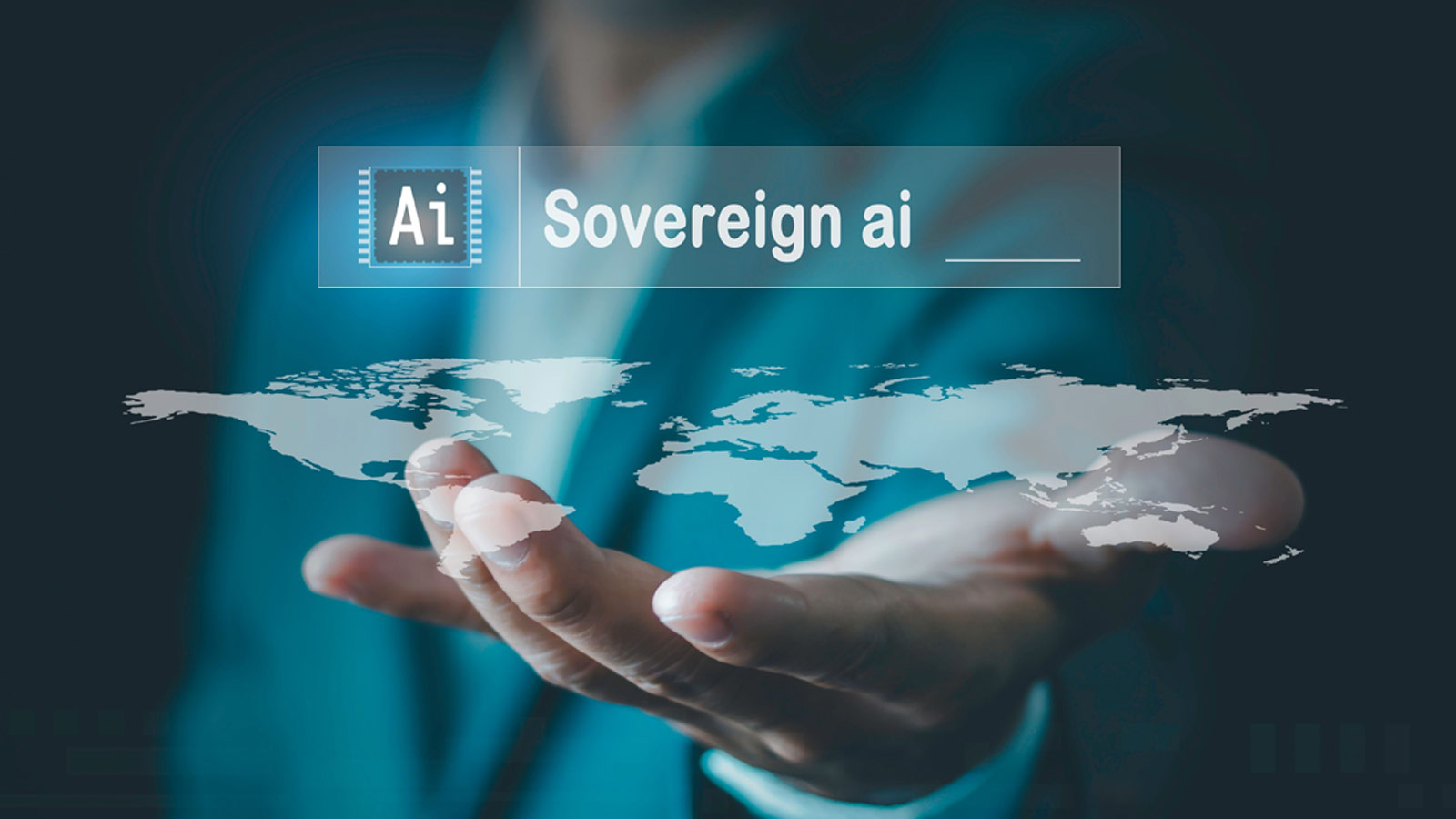
A Nikkei Computer explainer defines sovereign AI (ソブリンAI) as AI that a country or company develops and runs on…
Kokuyo is consolidating meeting minutes, design documents and tasks into Notion and Notion AI, and linking Cla…

Sushiro, IT giant Fujitsu, and Kiyo subsidiary Kuroshio Suisan are launching a cross-industry demonstration in…
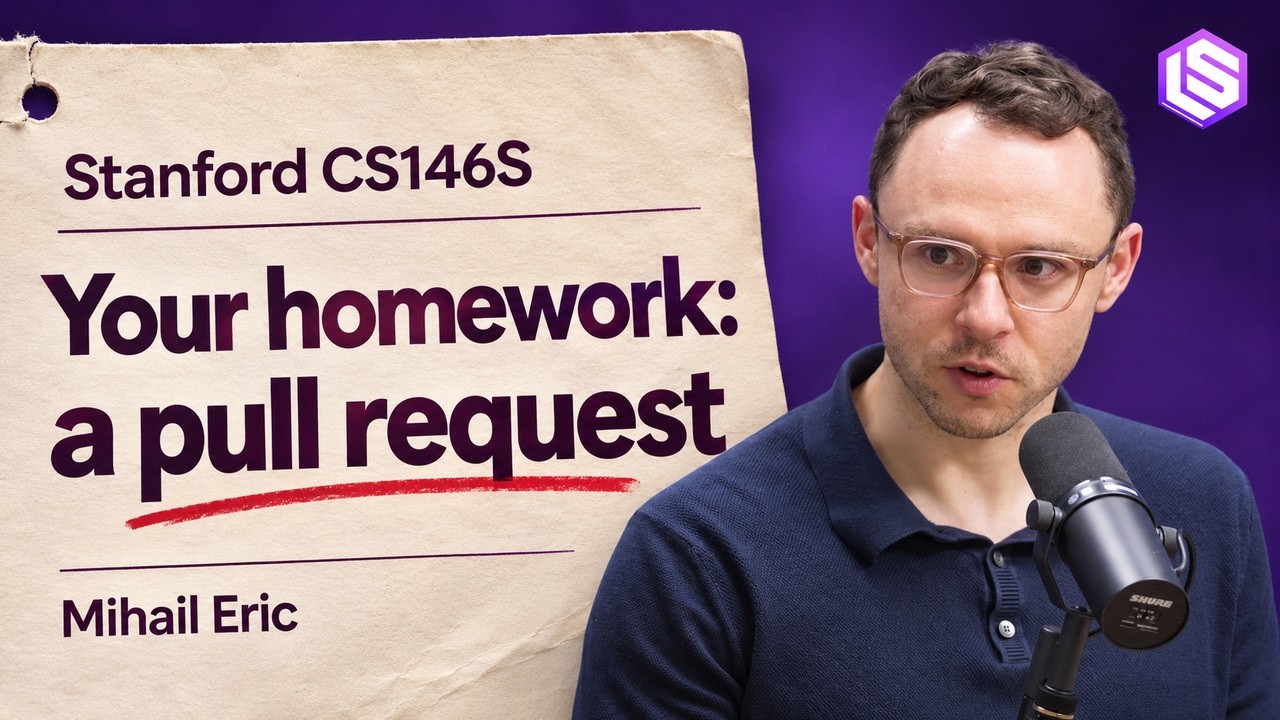
Mihail Eric, who teaches The Modern Software Developer at Stanford and leads AI at Monaco, brought open-source…
Testing Rockchip's rknn-llm multimodal demo for Qwen2-VL-2B-Instruct, the author found transformers 5.8.0 thro…

On the Qualcomm Dragonwing RB3 Gen 2 (QCS6490), YOLOv11-N measured 134.7 ms through default TFLite but 5.03 ms…