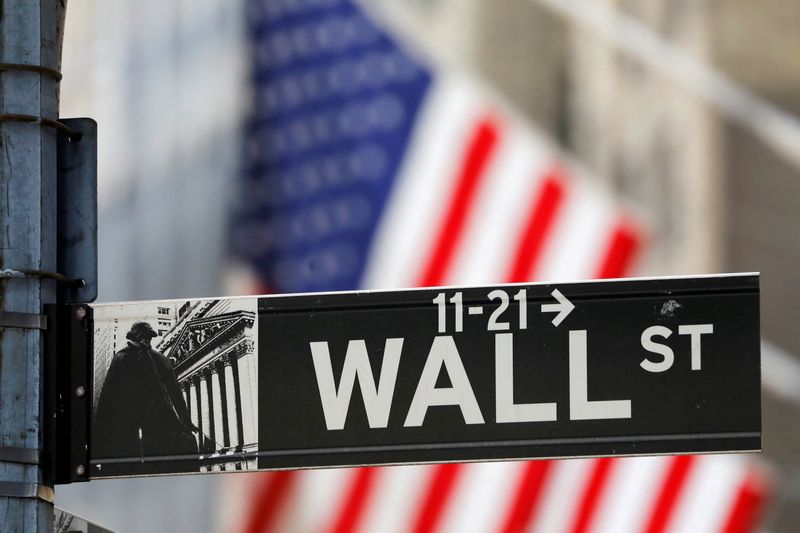
Alphabet and Intel earnings this week will be closely watched as indicators of whether U.S. companies can meet high profit expectations and sustain the market rally. The S&P 500 is projected to show 25.7% earnings growth in the second quarter, but investors are keenly focused on Alphabet's AI spending plans and semiconductor stocks' momentum, as any pullback in AI infrastructure investment could ripple across the entire chip and AI ecosystem.
Summaries like this, in your inbox every morning.
Sign up free →What happened
Alphabet and Intel are set to report second-quarter earnings this week, with the S&P 500 projected to show earnings growth of 25.7% for the period. The semiconductor index is up about 68% in 2026, with Intel shares up over 160% and Texas Instruments up 68%.
Why it matters
Alphabet, as the third-largest U.S. company by market value at $4.3 trillion(約690兆円) and a major AI infrastructure spender, could sway the entire semiconductor and AI ecosystem if it signals any pullback in spending forecasts. Chip stocks' massive weighting in indexes means their moves can influence overall market direction.
What to watch
Alphabet reports Wednesday and Tesla reports in the coming week; over 80 S&P 500 companies are expected to report this period. The Philadelphia SE Semiconductor index remains sensitive to company guidance, as recent foreign semiconductor results (Samsung Electronics, Taiwan Semiconductor) showed tepid market reactions despite strong reports.
U.S. corporate earnings season accelerates this week with Alphabet and Intel reporting results that could reshape investor sentiment around the artificial intelligence trade and the stock market's continued climb. The S&P 500, which has risen 10% in 2026 and hovered near record highs despite week-to-week volatility, is projected to deliver second-quarter earnings growth of 25.7%, according to LSEG IBES data. This outsized earnings strength has underpinned the market's resilience through geopolitical tensions and inflation concerns, with Michael Arone, chief investment strategist at State Street Investment Management, noting that "the fundamentals have been resilient, and the earnings continue to be outstanding."
Alphabet, the Google parent and third-largest U.S. company by market value at $4.3 trillion(約690兆円), commands particular Wall Street attention. As one of the market-leading "Magnificent Seven" stocks and an AI "hyperscaler" that spends billions on data center and AI infrastructure, Alphabet's quarterly report on Wednesday will set the tone for investor confidence in the AI investment wave that has driven much of the bull market. Kevin Mahn, president and chief investment officer at Hennion & Walsh Asset Management, warned that if Alphabet announces "any type of pullbacks with respect to the spending that they're forecasting around AI, you could see ripple effects across the entire AI ecosystem." The semiconductor sector, which has benefited enormously from AI spending outlays, is particularly exposed: the Philadelphia SE Semiconductor index has climbed about 68% in 2026, Intel shares have soared over 160%, and Texas Instruments has gained 68%. However, the body notes that recent strong earnings from foreign semiconductor firms Samsung Electronics and Taiwan Semiconductor drew only tepid market reactions, signaling that investor expectations are extremely high and any miss could trigger sharp declines.
The reporting week extends beyond Alphabet and Intel, with Tesla, another "Magnificent Seven" heavyweight, also posting results. In all, more than 80 S&P 500 companies are expected to report. Major U.S. banks already kicked off the season with earnings boosted by merger and acquisition advisory fees and strong trading revenue. Behind the earnings enthusiasm lies an undercurrent of caution: geopolitical tensions from the five-month-old U.S.-Israeli war with Iran could cause "day-to-day market swings" and push energy prices higher, reigniting inflation fears ahead of the Federal Reserve's late-July meeting. Pricing in fed funds futures reflects expectations for interest rate increases in the coming months; however, cooler-than-expected consumer and producer price data this week has moderated some concern about a rate hike at this month's meeting. Eric Kuby, chief investment officer at North Star Investment Management, summed up the backdrop: "The macro data has painted a picture of a steady economy with some improvement in inflationary pressure."
The coming week marks a critical juncture for the U.S. stock market's dominant narrative: whether corporate earnings can justify the decade-high valuations that have lifted the S&P 500 up 10% in 2026 and driven the "Magnificent Seven" stocks, including Alphabet, to unprecedented heights. The body notes that Alphabet, at $4.3 trillion(約690兆円) in market value, is the third-largest U.S. company and functions as a heavyweight that can move entire indexes. More importantly, Alphabet's status as an AI "hyperscaler" makes its capital spending guidance a barometer for the year's central investment theme—massive outlays on data centers and AI infrastructure that have fueled semiconductor gains and underpinned the broader market rally.
The stakes for semiconductor stocks are particularly acute. The Philadelphia SE Semiconductor index has surged about 68% this year, yet the body signals investor caution: recent strong earnings from foreign competitors (Samsung Electronics, Taiwan Semiconductor) elicited only tepid market reactions, and chip stocks have seen "huge swings" as investors questioned whether the trade had run too far. Leveraged products tied to semiconductors are amplifying volatility in both directions. Any indication from Alphabet or the reporting semiconductor firms (Intel and Texas Instruments, both up dramatically in 2026) that AI spending is moderating or demand has softened could trigger cascading selloffs, given chip stocks' outsized weighting in major indexes.
The body also situates this earnings deluge against geopolitical and monetary headwinds. A five-month-old U.S.-Israeli war with Iran has raised energy-price and inflation concerns, while the Federal Reserve is widely expected to raise rates in the coming months to bring inflation below its 2% target—though cooler consumer and producer price data reported this week has somewhat eased those fears. The earnings season outcome will determine whether fundamentals can absorb these shocks and sustain the market's remarkable resilience.
AI-summarized, only the topics you pick — one digest a day via Email, Slack, or Discord.
Free · takes 30 seconds · unsubscribe anytime
No comments yet. Be the first to share your thoughts!
Log in to join the discussion

Get curated AI news from 200+ sources delivered daily to your inbox. Free to use.
Get Started FreeFree · takes 30 seconds · unsubscribe anytime
1 minute a day. The AI essentials.
200+ sources · Email / LINE / Slack
