
What happened
Anthropic's research found agentic workflows consume about 4x the tokens of ordinary chat, and multi-agent setups roughly 15x, as agents reload context on every model and tool call.
Why it matters
Falling per-token prices won't save the bill if consumption grows faster, so the article ranks prompt caching, model routing, context compression, batching and tool narrowing by payoff.
What to watch
The headline savings are benchmark figures — routing's cut depends on the workload, and the article warns routing degrades answers silently, so the test is whether teams can measure token use per task and tool.
WHO IT HITSThis lands on the platform and FinOps teams paying AI API bills, plus the engineers who choose models and expose tools to agents. It is also a checklist for anyone budgeting agent rollouts, since the article argues cost control starts with per-task token visibility.
Summaries like this, in your inbox every morning.
The piece is the fourth in a series on what API behavior reveals about AI, and it builds on its own earlier installments: the third explained why agents call models and tools repeatedly, reloading system prompts and conversation history each time, and the second covered auditing. That mechanism is what turns cheap tokens into an expensive bill, because a single task can trigger many calls.
The five fixes are presented as a ranked toolbox, and the article is careful about how much each is worth. Prompt caching is the clearest win, with Anthropic charging a tenth of normal input for cached tokens and OpenAI halving prices automatically; batching halves many services' rates and pairs well with caching. Routing, compression and tool narrowing are more conditional — the RouteLLM numbers (a quarter of requests to frontier models, about 95% of that quality, up to 85% cost cut) come from benchmark conditions, and the article suggests a third of the hoped-for savings is a safer real-world assumption. Tool narrowing is credited with halving prompt tokens and tripling selection accuracy, but compression carries a risk of dropping information.
The article's own caveat is that these measures stack but also erode quality bit by bit, and routing failures are especially quiet because they produce no error, only weaker answers. That is why it ends on measurement: teams can't cut what they can't see, and it points to FinOps-style cost visibility, already common for cloud spend, being applied to tokens. The stakes, then, hinge less on any single technique than on whether organizations can attribute token consumption to a specific team, agent, task and tool — the body notes this is unresolved in many workplaces, and that the next installment moves to implementation and the MCP specification formalized on July 28, 2026.
Pick your industry and the AI tools you use, and get news related to your work every day.
Free · 30 seconds with Google · unsubscribe anytimeWhat is AIToday? →
Ask AI anything about this article. The AI reads this article, earlier AIToday articles, and Wikipedia, and cites its sources. Q&As are published on this page for other readers too.
SOMPO Holdings set AI risk governance in March 2025, requiring risk assessment and model output testing for gr…

Canon began offering a new support service for home inkjet printers that uses a monitoring function and genera…

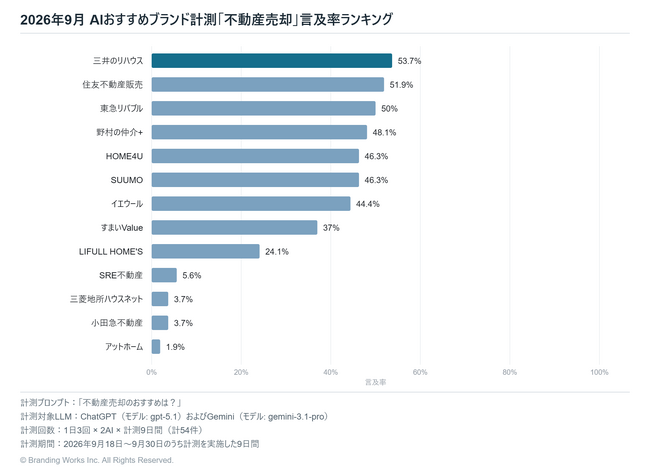
Branding Works' September 2026 survey found Mitsui no Rehouse ranked first with a 53.7% mention rate, followed…
Exa Enterprise AI began offering "Exabase AI for JA" today, with more than 30 AI agents built for the work of…

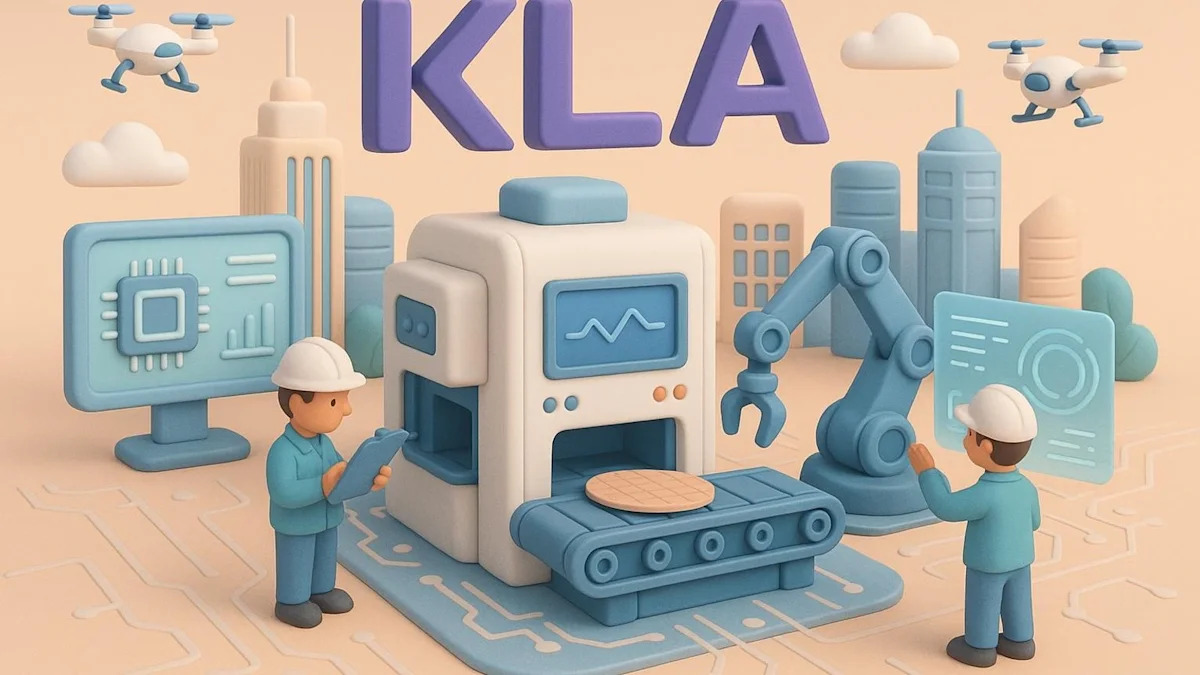
Analysts upgraded KLA to a Zacks Rank #2 and raised consensus earnings estimates by roughly 9%, highlighting i…
Dell introduced the XPS 16 Creator Edition and Creator Edition Desktop, both powered by NVIDIA RTX Spark, alon…