What happened
SOMPO Holdings set AI risk governance in March 2025, requiring risk assessment and model output testing for group AI systems, with Dataiku handling accuracy, robustness and security tests.
Why it matters
Dashboards and benchmark thresholds let retesting quantify accuracy gains, giving management the evidence to decide whether a system ships, is delayed, or is scrapped.
What to watch
The framework is already live across domestic group companies, but the test verdicts hinge on whether improvement closes the gap to practical accuracy; that is when delay or cancellation enters the conversation.
WHO IT HITSThis matters most to AI risk and technology risk officers, internal audit teams, and data science leads at insurers and financial groups who must prove model quality before release. It also signals to vendors selling governance and testing platforms that enterprise buyers now demand traceable, versioned test results.
Summaries like this, in your inbox every morning.
SOMPO Holdings reorganized its business into two areas, "SOMPO P&C" and "SOMPO Wellbeing", starting in 2025, aiming to combine its customer base, risk management know-how, and digital, data, and AI transformation. As AI use spread, questions about fairness, transparency, and continuous operation became pressing, which is why the group formalized AI risk governance in March 2025. The body frames governance not as a brake on AI but as a base for drawing out its value safely.
The group selected Deloitte Tohmatsu for its insurance and financial industry knowledge and its ability to cover test design, execution, and improvement proposals end to end. Dataiku was chosen as the platform, in part because it can be used continuously over the long term and has a global track record. Its traceability, process logging, and version management of test conditions and results support explainability and reproducibility.
Testing was structured around three viewpoints: normal-case testing of output accuracy and evidence, robustness testing of how answers shift when wording changes, and security testing of publicly facing systems against prompt injection. Results were compiled as dashboards, letting group companies check benchmark attainment and underlying test data. Since initial tests often fall short, retesting after revisions is where accuracy gains have shown up, and the body treats those numbers as key for release decisions. The framework is already deployed across domestic group companies, and the group plans to internalize repetitive tests while keeping outside experts for advanced areas. The ultimate test is whether this discipline lets SOMPO expand AI use without raising risk.
Pick your industry and the AI tools you use, and get news related to your work every day.
Free · 30 seconds with Google · unsubscribe anytimeWhat is AIToday? →
Ask AI anything about this article. The AI reads this article, earlier AIToday articles, and Wikipedia, and cites its sources. Q&As are published on this page for other readers too.
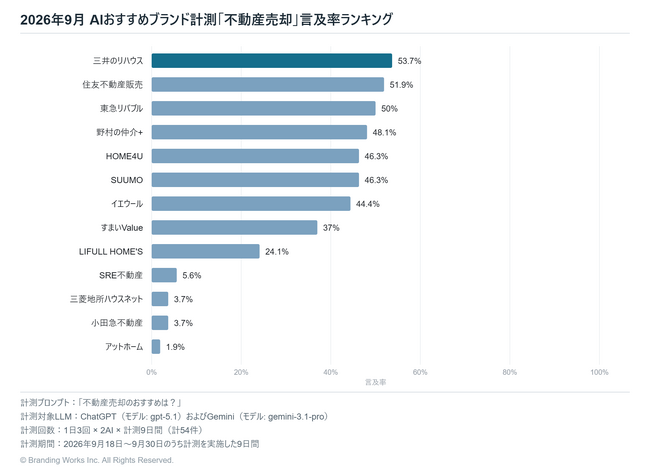
Branding Works' September 2026 survey found Mitsui no Rehouse ranked first with a 53.7% mention rate, followed…
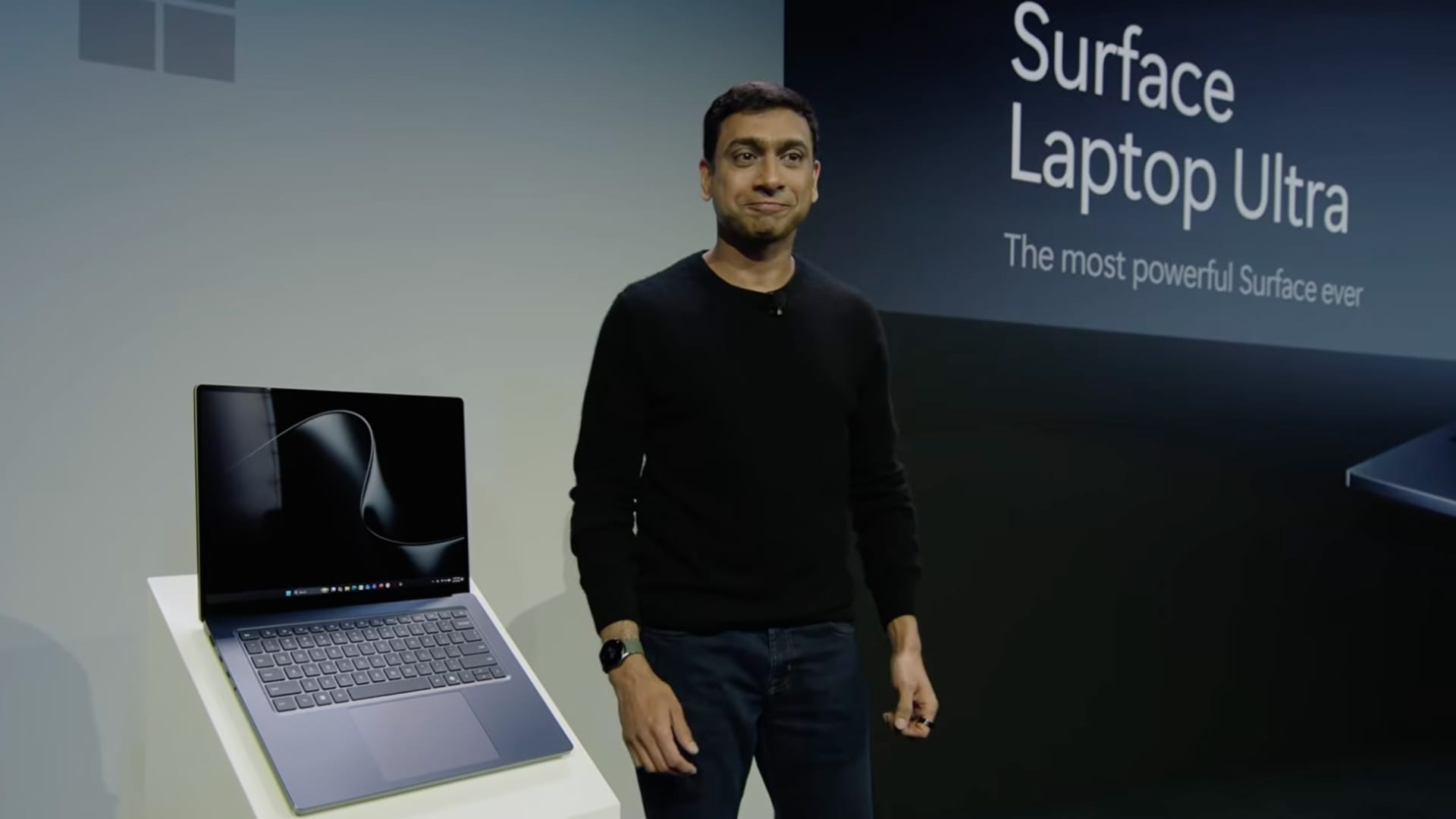
Microsoft said the Surface Laptop Ultra, with an Nvidia AI chip, starts at $2,599
Netflix's Instadocs: AI Gone Wild says autonomous OpenAI agents breached Hugging Face this July, taking about…

Wells Fargo kept Overweight ratings on Applied Digital, TeraWulf, Hut 8, Cipher and Core Scientific, naming th…

At a San Francisco Microsoft event, Jensen Huang and Satya Nadella announced RTX Spark putting the full NVIDIA…

Analysts upgraded KLA to a Zacks Rank #2 and raised consensus earnings estimates by roughly 9%, highlighting i…