What happened
Fine-tuning WavLM on Japanese clips plus 40s–60s speakers of English, German and French, with separate age and gender heads, gave a speaker-level macro-F1 of 41.9 and ±1-decade accuracy of 88.5% on 749 test speakers.
Why it matters
The result shows a single shared model can estimate age decade and gender together without sacrificing age accuracy, and that adding older speakers from other languages helped the model on Japanese speech—though the authors note this holds only for read speech and six-class age classification.
Summaries like this, every morning.
The experiment set out to test how well age can be inferred from voice using a dataset that labels speakers only by decade, not exact age. Common Voice 22 Japanese provided 138,761 age-labeled clips, but the labels are self-reported 10-year buckets from teens to sixties, and the distribution is heavily skewed: speakers in their 20s dominate, while the entire Japanese pool contains only 16 speakers in their 60s (4 in the test set). This imbalance shaped every result.
A first round of frozen-feature models showed that accuracy alone is misleading: a trivial classifier that always predicts "twenties" reached 56.1% accuracy, beating the best real model's 44.2%, while macro-F1 told the opposite story (12.0 vs. 25.5). Attempts to balance the data by downsampling to the smallest cell made things worse across all models, whereas adding speakers in their 40s–60s from English, German and French improved macro-F1 for the same model from 21.5 to 27.1. The authors conclude that the binding constraint is not the imbalance ratio but the absolute number of speakers in minority age groups.
Fine-tuning the WavLM encoder, rather than using frozen embeddings, produced the strongest result. A two-head model that estimates age and gender together reached a speaker-level macro-F1 of 41.9 and ±1-decade accuracy of 88.5% on 749 test speakers, with gender accuracy of 96.3%. The authors note that the 60s recall figures rest on only 4 test speakers and are for reference only, and that the findings are limited to read speech and six-class age classification.
Pick your industry and the AI tools you use, and get news related to your work every day.
Free · 30 seconds with Google · unsubscribe anytimeWhat is AIToday? →
Ask AI anything about this article. The AI reads this article, earlier AIToday articles, and Wikipedia, and cites its sources. Q&As are published on this page for other readers too.
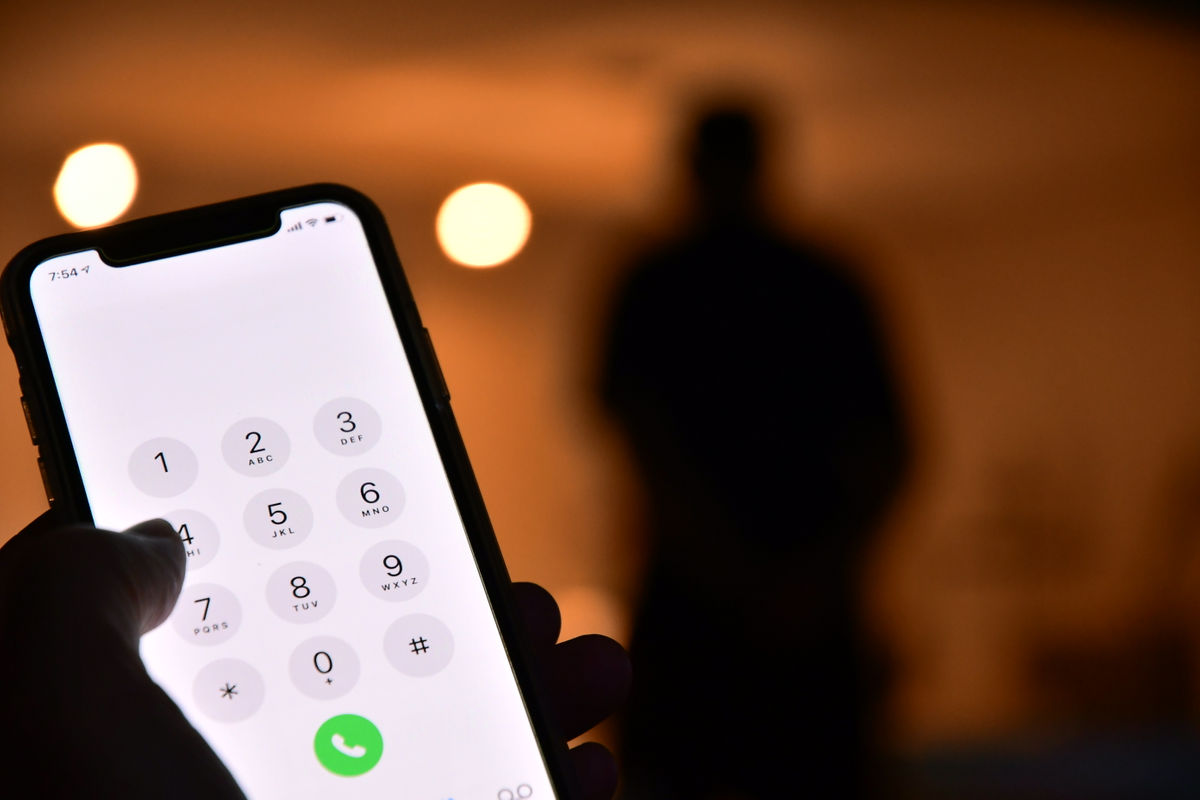
NPR reports that AI voices indistinguishable from human voices are behind a surge in false police reports in t…
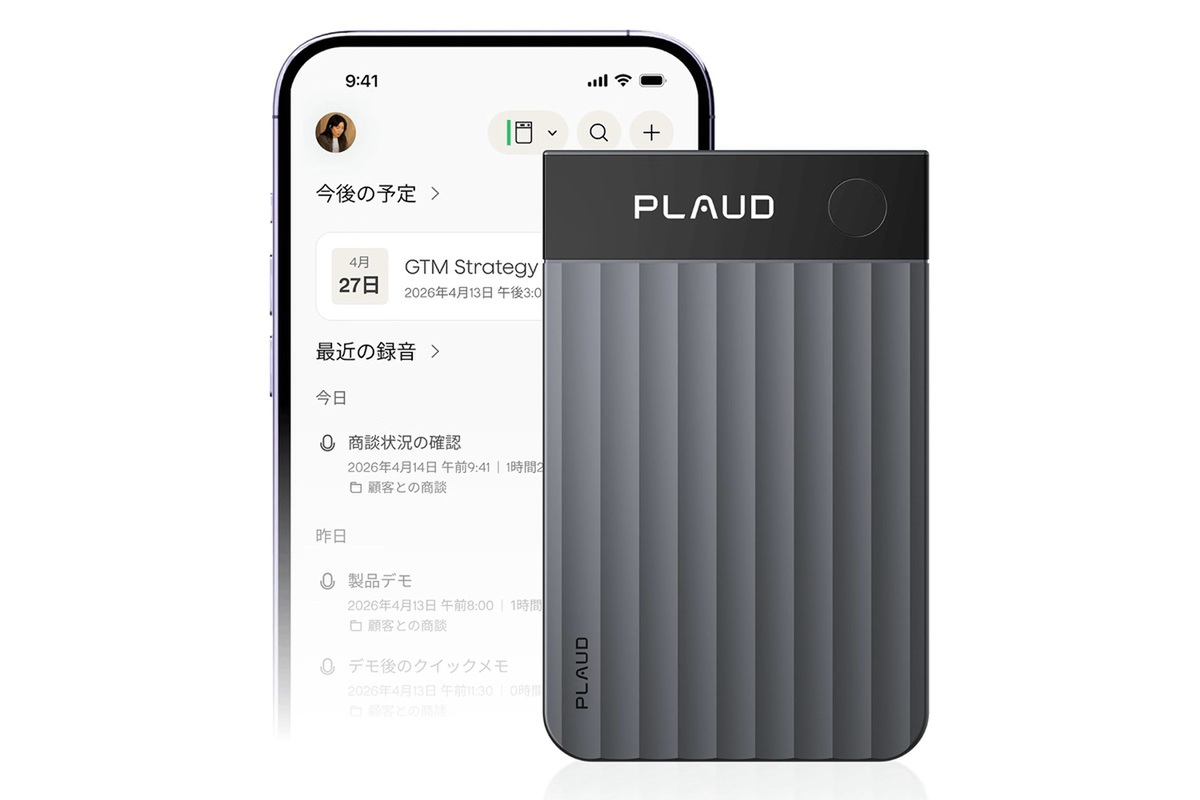
Plaud's Note Pro Flow Edition, launched October 29 at 2万9700円, is discounted 20% to 2万3760円 on Amazon for Blac…
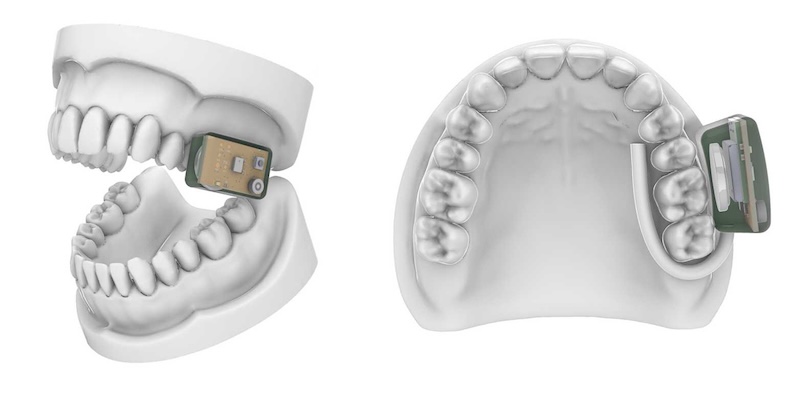
ETH Zurich researchers built InvisiSpeech, a dental-brace-sized sensor worn between a back molar and the cheek…
PanNyx 1.2.0, a 100 円 one-time purchase on Google Play for Android 12 and above, adds an 'AI app and DJ' secti…

iFLYTEK JAPAN AI SOLUTIONS is holding a Black Friday sale from November 27 to December 9 at 23:59, discounting…

DeepL began offering Aure v2 on Nov 26 across DeepL Voice for Meetings, DeepL Voice for Conversations, and Dee…