
Claude Opus 4.8 tops benchmarks including agentic coding (SWE-Bench Pro: 69.2 percent, up from 64.3 percent for Opus 4.7) and multidisciplinary reasoning (Humanity's Last Exam: 57.9 percent with tools). On GDPval-AA at 'max' effort level, it scores 1,890 points, 137 points above Opus 4.7.
The model flags uncertainties about its work more often and makes unsupported claims less frequently than its predecessor. On coding evaluations, it lets bugs slip through without comment about four times less often than Opus 4.7. It also introduces 'dynamic workflows,' which lets the model spin up hundreds of parallel sub-agents in a single session to handle codebase-wide migrations.
Fast Mode pricing drops to $10 per million input tokens and $50 per million output tokens (down from higher costs for earlier models), while standard pricing remains unchanged at $5 per million input tokens and $25 per million output tokens. On GDPval-AA, Opus 4.8 needs 15 percent fewer passes per task and 35 percent fewer output tokens than Opus 4.7.
The feature set—dynamic workflows and effort controls—is available on Enterprise, Team, and Max plans. Effort controls let users choose response depth on claude.ai and Cowork, with 'max' mode recommended for tougher tasks.
Ask the AI about this article →
For example, today's edition would include:
AI-summarized, only the topics you pick — one digest a day via Email, Slack, or Discord.
Free · takes 30 seconds · unsubscribe anytimeWhat is AIToday? →
Ask AI anything about this article. Q&As are published on this page for other readers too.
Goldman Sachs, Morgan Stanley and Citigroup are pressing elite law firms to lower fees, arguing AI is sharply…

John Ternus succeeded Tim Cook as Apple's CEO on Tuesday, becoming only the second CEO since Steve Jobs left i…

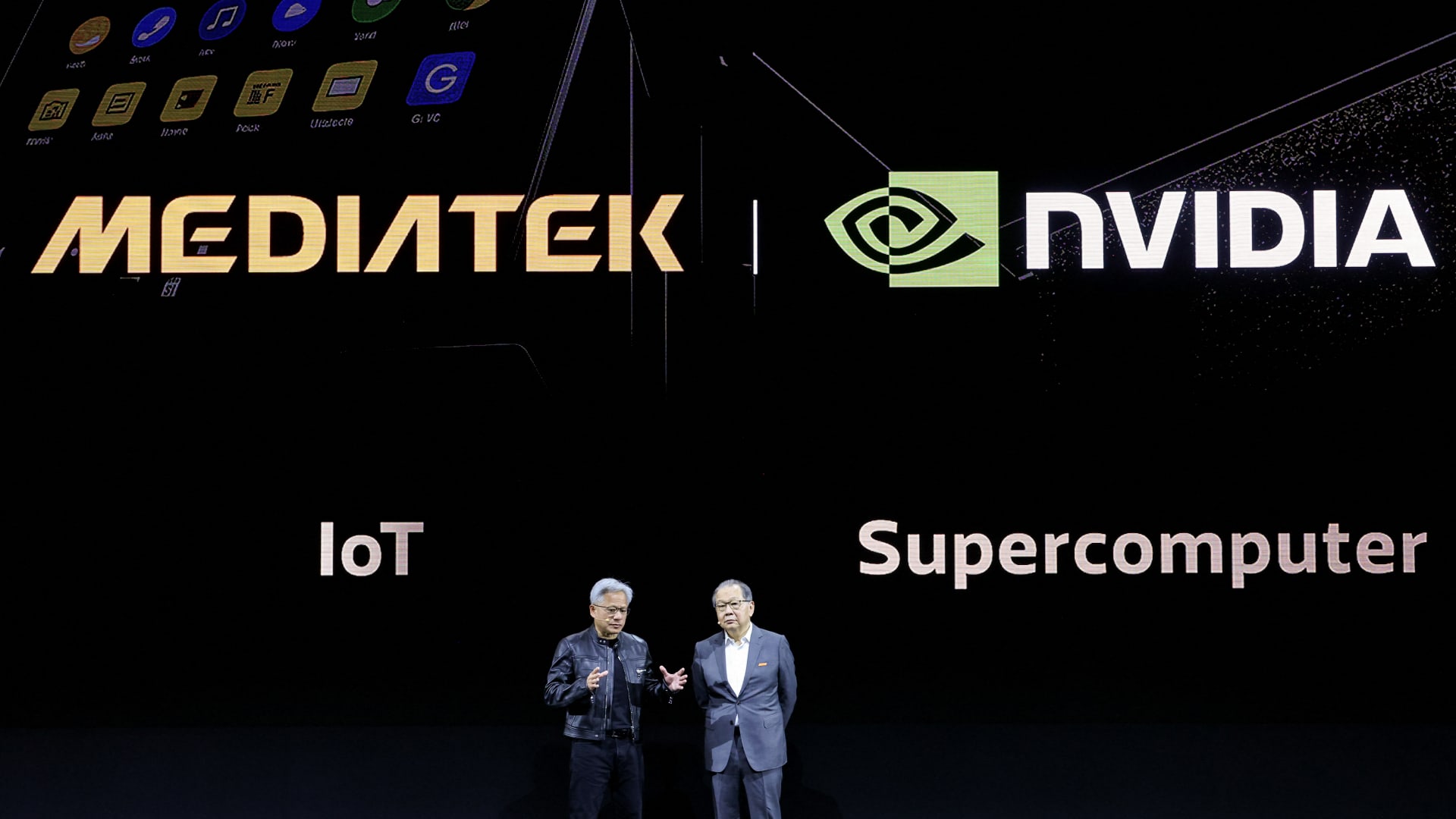
MediaTek shares closed 10% higher on Tuesday after the Taiwanese chip firm announced a partnership with Nvidia
Dell Technologies reported fiscal second-quarter results that beat Wall Street expectations, with adjusted ear…
GE Vernova (NYSE: GEV) announced on August 24, 2026, in Paris, a new medium-voltage uninterruptible power supp…

Oracle (ORCL) stock is down 4% to $142.82 in Tuesday afternoon trading, after the 10-year Treasury yield climb…