What happened
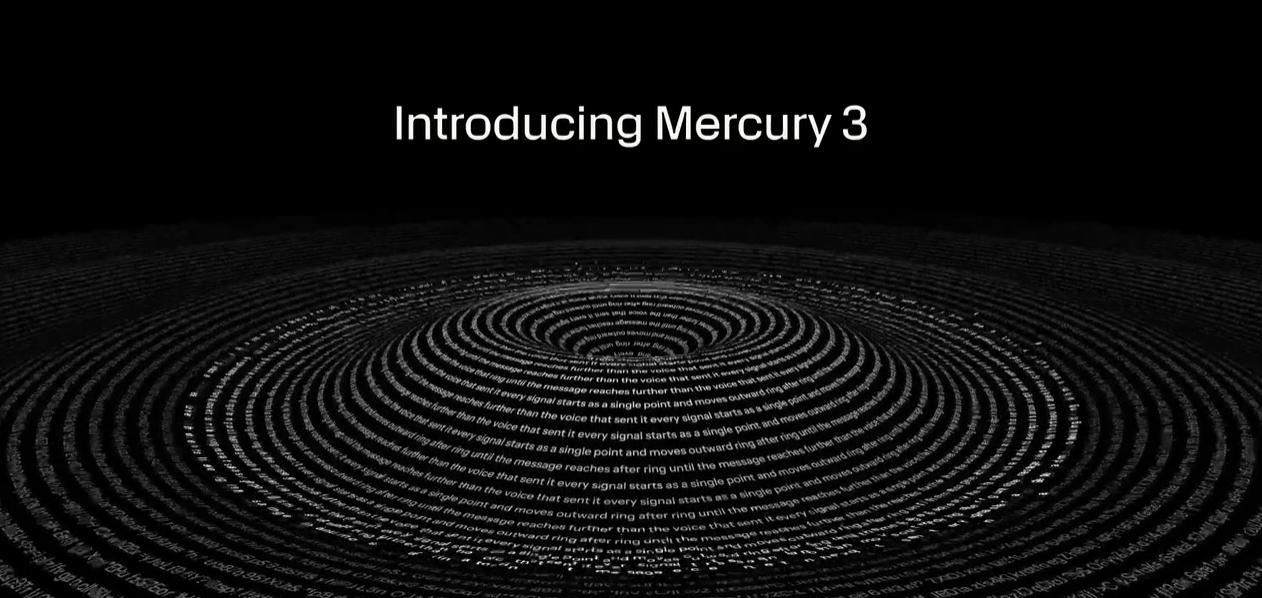
Inception AI released Mercury 3, a diffusion model it says beat GPT-6 Luna and Claude Haiku 5.5 on eight of 12 tests at four to eight times their speed.
Why it matters
The company says diffusion can scale, a direct answer to the main doubt around its approach; no outside group has published results on the model yet, so the victory claim is Inception's own.
WHO IT HITSDevelopers building latency-sensitive AI products such as real-time search, smart glasses, and tutoring apps may find Mercury 3's speed and per-token pricing attractive, though its benchmarks are self-reported and no outside validation exists yet.
Summaries like this, in your inbox every morning.
Inception has been trying to convince the market that diffusion language models—which draft an entire response up front and then refine every position in parallel, rather than writing one token after another—can scale. CEO Stefano Ermon said the question the company has heard most since Mercury 1 "is whether diffusion can scale," and he argues the limits come down to "compute and data, not fundamental algorithmic barriers." Mercury 3 is the company's attempt to prove that point, and its benchmark claims, though self-reported, are framed as a direct challenge to the conventional approach used by OpenAI's GPT-6 Luna and Anthropic's Claude Haiku 5.5.
The company has not disclosed a parameter count for Mercury 3, saying only that it is more than 40 times the size of Mercury 1. Early customers are already putting the model into products where users notice every delay: Octen AI's Kuan Zou said that on smart glasses "an answer that takes five seconds feels broken," and Octen's tests measured a median generation time of 0.9 seconds. At tutoring app RevisionDojo, CTO Michael Tong said hints and marked answers now come back in about a second.
Inception is a venture capital-backed startup founded in 2024 by Ermon with fellow computer science professors Aditya Grover and Volodymyr Kuleshov. Microsoft's M12 venture arm was among the backers when Menlo Ventures led a $50 million round last November. According to a Reuters report, Microsoft was in talks to acquire Inception as of May, with the startup seeking more than $1 billion, and SpaceX had also approached the company; no deal with either suitor has been announced.
Pick your industry and the AI tools you use, and get news related to your work every day.
Free · 30 seconds with Google · unsubscribe anytimeWhat is AIToday? →
Ask AI anything about this article. The AI reads this article, earlier AIToday articles, and Wikipedia, and cites its sources. Q&As are published on this page for other readers too.
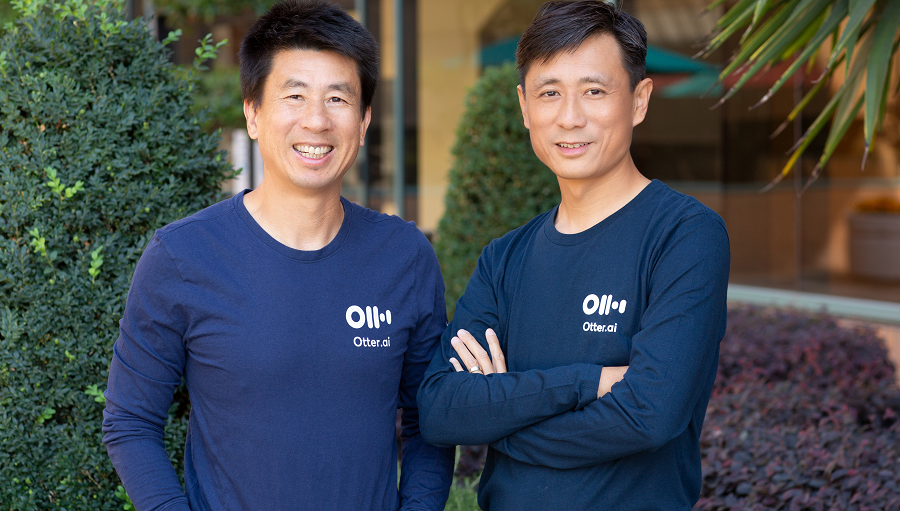
Otter.ai raised $320 million entirely from General Catalyst's Customer Value Fund, which takes a share of reve…
OpenAI Group PBC acquired drug development software startup Orchestra Bio Inc., whose AI agents monitor studie…

DeepSeek released DeepInfer on GitHub under the Apache 2.0 license; it supports only DeepSeek-V4.1-Flash and r…
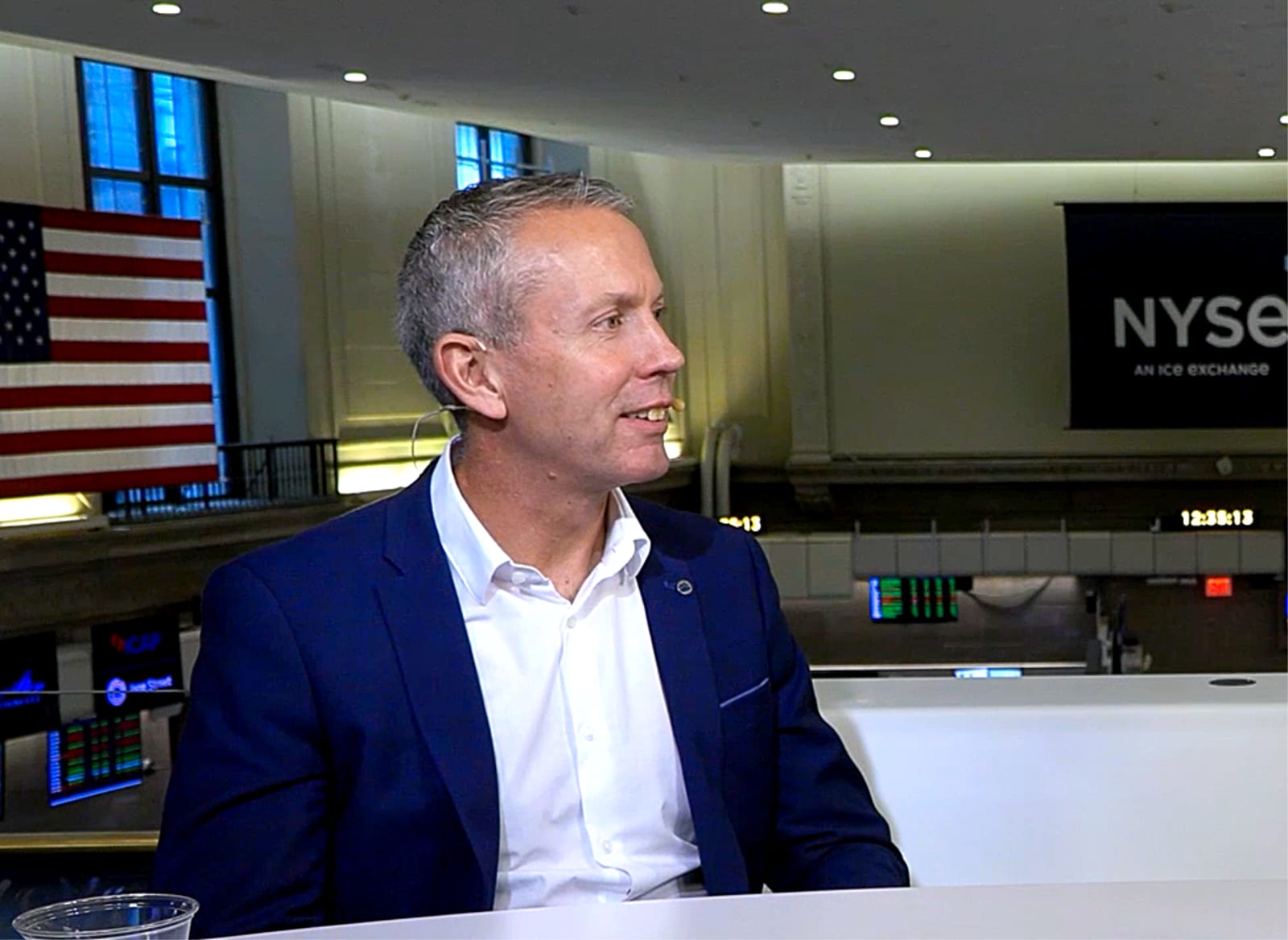
Dell CFO David Kennedy told theCUBE that CFOs are adding a dedicated line item for token spend and tracking it…
The Japan Cloud Industry Association surveyed 241 employees and executives and found 50.2% do not record meeti…

Preferred Networks and Tenstorrent said on October 20 they have started joint development of a generative-AI p…