What happened
Nick Kuhn of VMware Tanzu Platform said his team now offers a Tanzu Agent Build Pack that pushes an agent described in Agents.md to the same platform as Java apps.
Why it matters
Kuhn argues enterprises want agents deployed like apps so they can reuse years of platform engineering for consistency, auditing, and security. That is likely to reduce risk and cost of agent adoption.
What to watch
The approach hinges on whether agents' shared memory and state can be handled as cleanly as traditional app storage, since Kuhn says that is the biggest challenge. He also notes customers want agents running close to apps and data to avoid latency from being 30 hops away.
WHO IT HITSEnterprise platform teams and developers who manage private clouds or air-gapped data centers will get a familiar path to production for AI agents. Teams running agents alongside traditional apps may need to address state management and latency.
Summaries like this, in your inbox every morning.
Nick Kuhn, a tech marketing lead at Broadcom's VMware Tanzu who previously spent fourteen years inside a large enterprise, says the core challenge is that enterprises are highly regulated, often with no internet access or even true air gaps where hardware is carried physically into data centers. He notes that vendors often assume internet access, which fails in these environments. Prior to agents, platforms like Cloud Foundry and Tanzu helped developers push code that the platform would turn into a secure container with ingress, certificates, and health monitoring handled automatically. Kuhn says the same principle now applies to agents: customers want the same repeatable pattern so they can audit and secure deployments without recertifying everything. The main technical gap he highlights is that agents were originally built with file system access and markdown files as memory, which breaks in ephemeral cloud environments where state must be saved elsewhere. He also says customers want agents and LLMs co-located with apps and data to avoid latency from many network hops, and that some SaaS providers are not reliable enough for traditional enterprises. The outcome hinges on whether state management and reliability can be solved in a way that matches the expectations enterprises have for software.
For example, today's edition would include:
AI-summarized, only the topics you pick: one digest a day via Email, LINE, or Slack.
Free · 30 seconds with Google · unsubscribe anytimeWhat is AIToday? →
Ask AI anything about this article. The AI reads this article, earlier AIToday articles, and Wikipedia, and cites its sources. Q&As are published on this page for other readers too.
GMI Cloud, led by founder and CEO Alex Yeh, is putting US$500 million into an AI factory in Taiwan that runs o…
Meta's new AI agent, Muse, rose to the top of Apple's app store, and major banks, insurers and online travel a…

AI filmmaker Zhu Zhili, who picked Shenzhen for his AI film studio two years ago, says cities and industrial p…

Lightspeed is targeting $250 million for Lightspeed India Partners V, half the size of its $500 million predec…
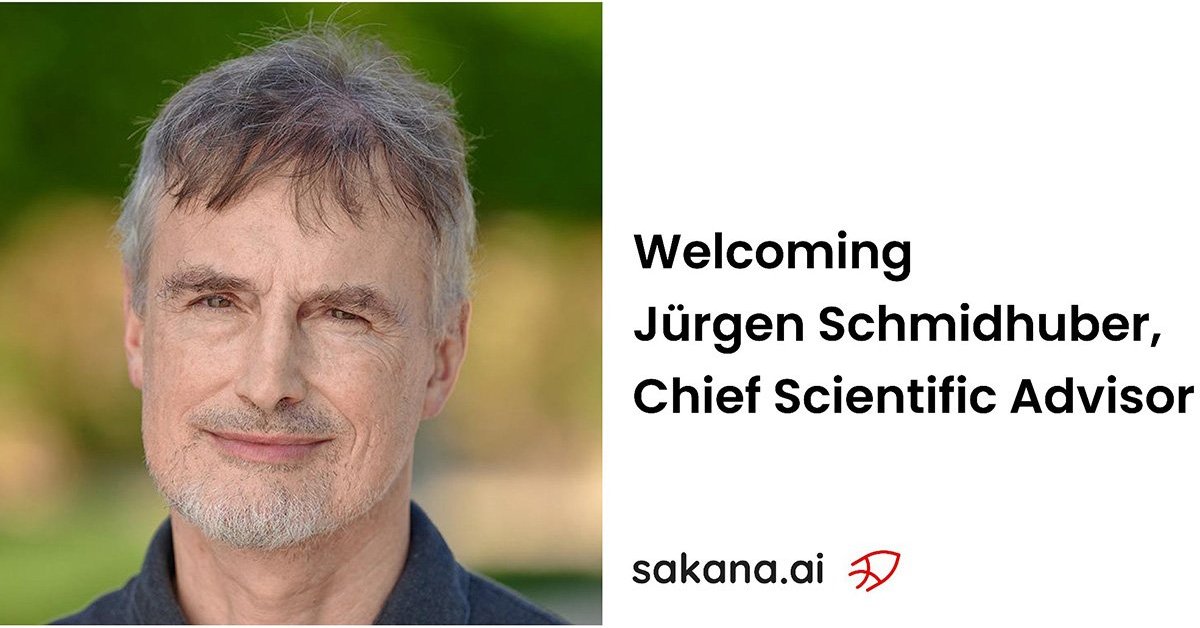
Sakana AI said Jürgen Schmidhuber is joining as chief scientific advisor and will lead its new RSI Lab, which…
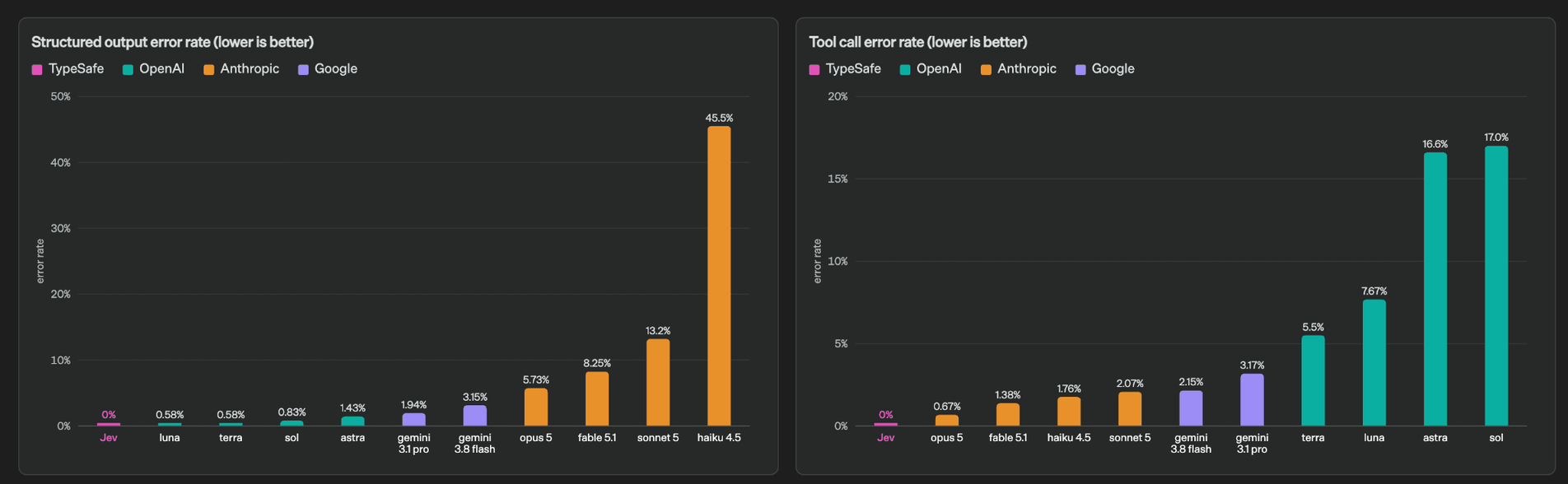
On 2026年9月15日, TypeSafe AI published System One Model and opened early access to Jev, which returns only type-…