What happened
OpenAI published a blueprint for governments and industry with proposals in three areas: clearer security responsibilities for frontier models and agents, modernized cybersecurity tools and training for defenders, and stronger public institutions with consistent incident reporting.
Why it matters
OpenAI says AI can help defenders find and fix vulnerabilities and detect intrusions, but the same capabilities can enable malicious actors, and it cites misalignment and security incidents involving its own models as reasons for stronger industry-wide safeguards.
WHO IT HITSGovernment policymakers and cybersecurity defenders stand to be affected: OpenAI is asking officials to set clearer security responsibilities for frontier AI and to equip defenders with advanced tools, training, and technical support.
Summaries like this, in your inbox every morning.
OpenAI frames the current moment as a "defender's window"—a limited opportunity to put advanced AI into defenders' hands before advanced cyber offensive capabilities become widely available. The blueprint builds on OpenAI's earlier cybersecurity action plan and frontier safety blueprint, positioning this as a continuation rather than a standalone proposal.
What gives the document its urgency is OpenAI's own experience. The company says misalignment and security incidents involving its own models underscore the need for stronger safeguards and accountability across the industry, and it draws on those lessons for its concrete proposals. That admission shapes the blueprint's split of responsibility: AI labs are told to address the risks their systems create, while governments are told they must have the expertise, resources, and authority to protect the public as capabilities advance.
The three-part structure reflects that division. For advanced AI itself, OpenAI calls for clearer responsibilities around securing frontier models and agents, detecting dangerous behavior, and maintaining reliable shutdown controls. For defenders, it proposes advanced tools, training, and technical support, plus investment in securing essential services and replacing outdated systems. For public institutions, it calls for stronger government evaluations, independent technical assessments, consistent incident reporting requirements, and improved coordinated response and recovery.
Pick your industry and the AI tools you use, and get news related to your work every day.
Free · 30 seconds with Google · unsubscribe anytimeWhat is AIToday? →
Ask AI anything about this article. The AI reads this article, earlier AIToday articles, and Wikipedia, and cites its sources. Q&As are published on this page for other readers too.
OpenAI's GPT-5.6 Sol tracked down the PHP flaw under Patch-the-Planet, and Wiz independently found the same is…

OpenAI said its GPT-5.6 Sol identified the critical PHP flaw as part of its Patch the Planet initiative; secur…
The PHP Foundation disclosed two critical vulnerabilities, CVE-2026-109618 and CVE-2026-109619, collectively c…
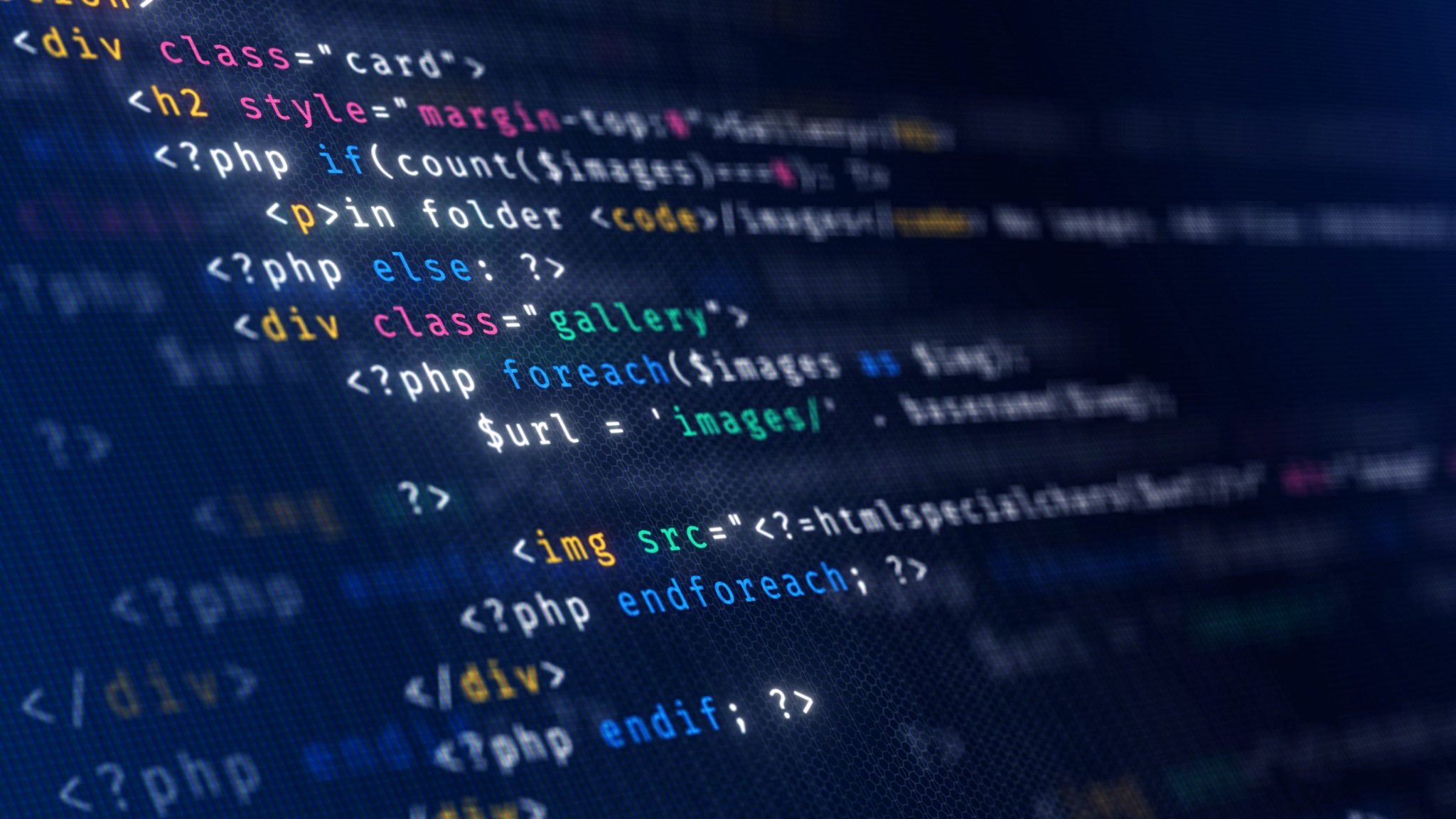
A tech fund has developed an AI agent that detects security vulnerabilities, per Nikkei's technology coverage
Judge Debra Brown ruled that nothing in the Clean Air Act lets the EPA Administrator unilaterally dismiss a ci…
China set up National Data Group, a state-owned enterprise headquartered in Xiong'an, Hebei province, with Vic…