AIToday
RoboticsDIGITIMES AsiaPublished: Sep 3, 2026, 06:00 JST1 min read

Physical AI drives new sensor demand at SEMICON Taiwan

Physical AI drives new sensor demand at SEMICON Taiwan

Key takeaway

  • At SEMICON Taiwan 2026, experts said physical AI is boosting sensor demand.

  • Robots need diverse sensing to handle real-world tasks.

  • This marks a shift from demonstrations to deployment.

3 Key Points

  1. What happened

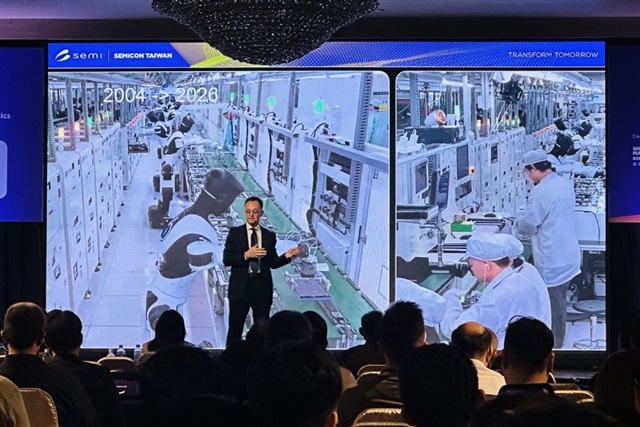
    At SEMICON Taiwan 2026, industry experts said the rise of physical AI is creating new demand for advanced sensors as robots move from controlled demonstrations toward practical deployment.

  2. Why it matters

    Robots will need increasingly diverse sensing capabilities to perceive, interpret, and respond to complex real-world environments in real time, according to experts at the event.

  3. What to watch

    The shift toward practical deployment of robots suggests a growing need for multimodal sensing, which could drive innovation and investment in sensor technology.

Ask the AI about this article →

Context & Analysis

The comments from industry experts at SEMICON Taiwan 2026 highlight a broader trend: robots are leaving the lab and facing messy, unpredictable settings. This transition demands sensors that can capture rich, multimodal data — not just simple triggers. The emphasis on "physical AI" suggests that the intelligence powering robots must now interface seamlessly with the physical world, which could spur developments in sensor fusion and real-time processing.

As robots move toward practical deployment, the need for reliable, diverse sensing becomes critical for safety and effectiveness. This could lead to new partnerships between AI developers and sensor manufacturers, as well as increased investment in specialized hardware. The event itself serves as a barometer for where the industry sees the next bottlenecks and opportunities in enabling truly autonomous machines.

FAQ

What is physical AI?
The article does not define physical AI explicitly, but it links it to robots moving from controlled demonstrations toward practical deployment in real-world environments.
Why do robots need new sensors?
Robots need increasingly diverse sensing capabilities to perceive, interpret, and respond to complex real-world environments in real time.
DIGITIMES AsiaRead Original Article

Get the latest Robotics news every morning

For example, today's edition would include:

  • Caterpillar, FieldAI Partner on Physical AI for JobsitesTop Companies AI · 1h ago
  • Renesas opens Beijing robotics labTop Companies AI · 1h ago
  • AWS Japan wraps up physical AI support programTop Companies AI · 1h ago

AI-summarized, only the topics you pick — one digest a day via Email, Slack, or Discord.

Free · takes 30 seconds · unsubscribe anytimeWhat is AIToday? →

Ask AI

Ask AI anything about this article. Q&As are published on this page for other readers too.

Related Articles

Next articleKashima City launches AI chatbot for citizen inquiries